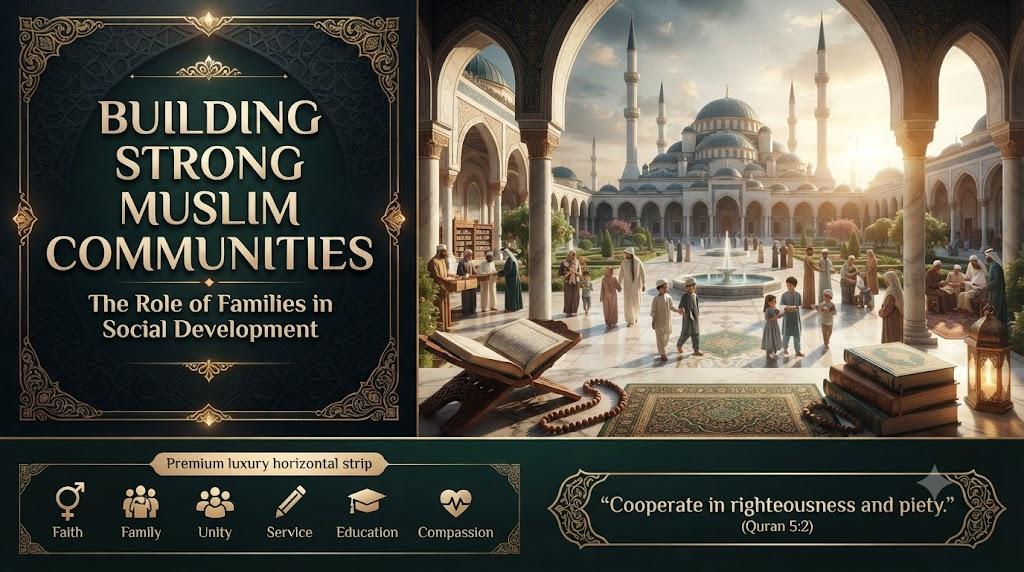

Contemporary Muslim families face unprecedented challenges balancing traditional values with modern demands. Dual-career households, digital distractions, geographic mobility, educational pressures, and changing social norms create tensions unknown to previous generations. Navigating these complexities requires intentional strategies rooted in Islamic principles while adapted to present realities—finding balance that honors faith commitments without rejecting beneficial aspects of contemporary life.
Time management emerges as critical skill for busy Muslim families. Five daily prayers structure day around spiritual pauses, but fitting them into work/school schedules requires planning. Families successful in maintaining prayers often prepare night before (clothes laid out, locations identified), use prayer apps for timing, and communicate schedules clearly. Congregational prayers on weekends strengthen family worship bond when weekday coordination proves difficult. The discipline developed through consistent prayer actually improves overall time management.
Technology boundaries protect family connection from digital intrusion. “Phone-free zones” (mealtime, after certain hour, during family activities) create space for undistracted interaction. Parental controls on children’s devices enable safe exploration while setting limits. Modeling healthy tech use—parents putting away phones during conversation—teaches more effectively than rules imposed while adults ignore them. Technology serves family life; it shouldn’t dominate it.
Mealtime rituals strengthen bonds while fulfilling sunnah. Eating together whenever possible, starting with Bismillah, expressing gratitude for provision, and engaging in meaningful conversation transform routine nutrition into family-building opportunity. The Prophet’s eating habits—sitting together, eating from what’s nearest, moderate portions, conversation during meals—provide template for blessed family dining experience.
Quality versus quantity time addresses guilt working parents feel. Brief but fully-present interactions outweigh hours of distracted proximity. Ten minutes of focused play, conversation, or shared activity beats passive coexistence for hours. Planning specific family activities (game night, walk, project) ensures quality time happens rather than hoping for leftover moments after exhaustion overtakes everyone.
Financial planning reduces stress undermining family harmony. Budgeting aligned with Islamic priorities (zakah, sadaqah, halal earnings, avoiding riba) provides framework for resource allocation. Emergency funds, insurance (takaful), and retirement planning demonstrate responsible stewardship. Discussing finances openly with age-appropriate children teaches Islamic money management while involving family in shared goals.
Extended family relationships require intentional maintenance in mobile society. Regular calls to grandparents, visits when possible, and including elders in decision-making preserve intergenerational bonds. Resolving conflicts through direct communication rather than avoidance maintains connections across distances. Technology facilitates virtual family gatherings impossible previously—leveraging tools for relationship maintenance rather than replacement.
Marriage nourishment prevents neglect amid parenting and career demands. Date nights (even at home after children sleep), anniversary celebrations, expressing appreciation regularly, and addressing conflicts promptly keep spousal relationship strong. Children benefit immensely from seeing parents’ loving, respectful relationship—it provides security and model for their future marriages. Neglected marriages eventually affect children negatively.
Self-care for parents, especially mothers, often suffers in demanding seasons. Recognizing that personal wellbeing enables better caregiving justifies investing in exercise, hobbies, friendships, and spiritual renewal. Asking for help (from spouse, family, paid assistance) isn’t weakness but wisdom. The Prophet’s encouragement to take moderate approaches applies to parenting intensity too—balance prevents burnout harming everyone.
Delegation distributes overwhelming loads. Age-appropriate chores teach children responsibility while lightening parents’ burden. Professional services (cleaning, meal delivery, tutoring) purchase time when affordable. Community support networks share tasks among families. Accepting that perfection isn’t achievable releases paralyzing pressure while enabling adequate performance across priorities.
Spiritual grounding provides anchor amid chaos. Family Quran reading, even brief daily, maintains connection with divine guidance. Dhikr gatherings (even informal home-based ones) recharge spiritually. Seeking knowledge together (family halaqah) combines education with bonding. When external circumstances feel overwhelming, spiritual orientation reminds families of larger purpose and divine support.
Flexibility within principles allows adaptation to changing circumstances. What works for newborn stage differs from teenage years; strategies effective in one cultural context may need modification elsewhere; individual family compositions require customized solutions. Core Islamic values remain constant while implementations vary legitimately. Judging other families’ choices charitably acknowledges this diversity of valid approaches.
Seeking help when needed demonstrates wisdom, not failure. Family counseling, parenting classes, support groups, and pastoral guidance provide resources for struggling families. Problems addressed early resolve more easily than entrenched patterns. Stigma around seeking help prevents many from accessing support that could transform family dynamics.
Balance isn’t static equilibrium but dynamic process requiring constant adjustment. Seasons of life bring different challenges requiring different responses. What matters is overall trajectory toward Islamic ideals—progress, not perfection. Families striving sincerely, failing occasionally, forgiving quickly, and trying again embody the struggle (jihad) that characterizes faithful life.