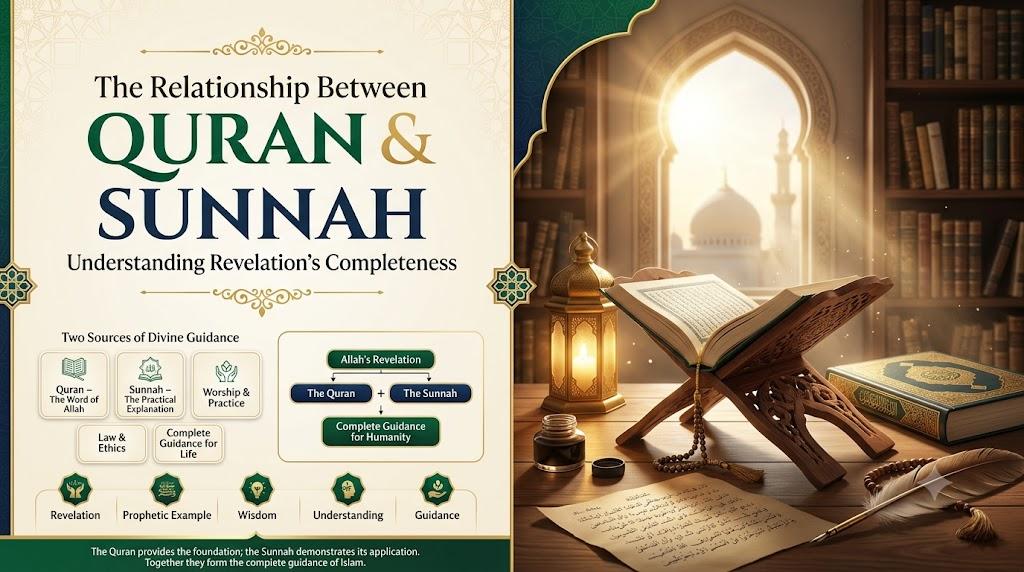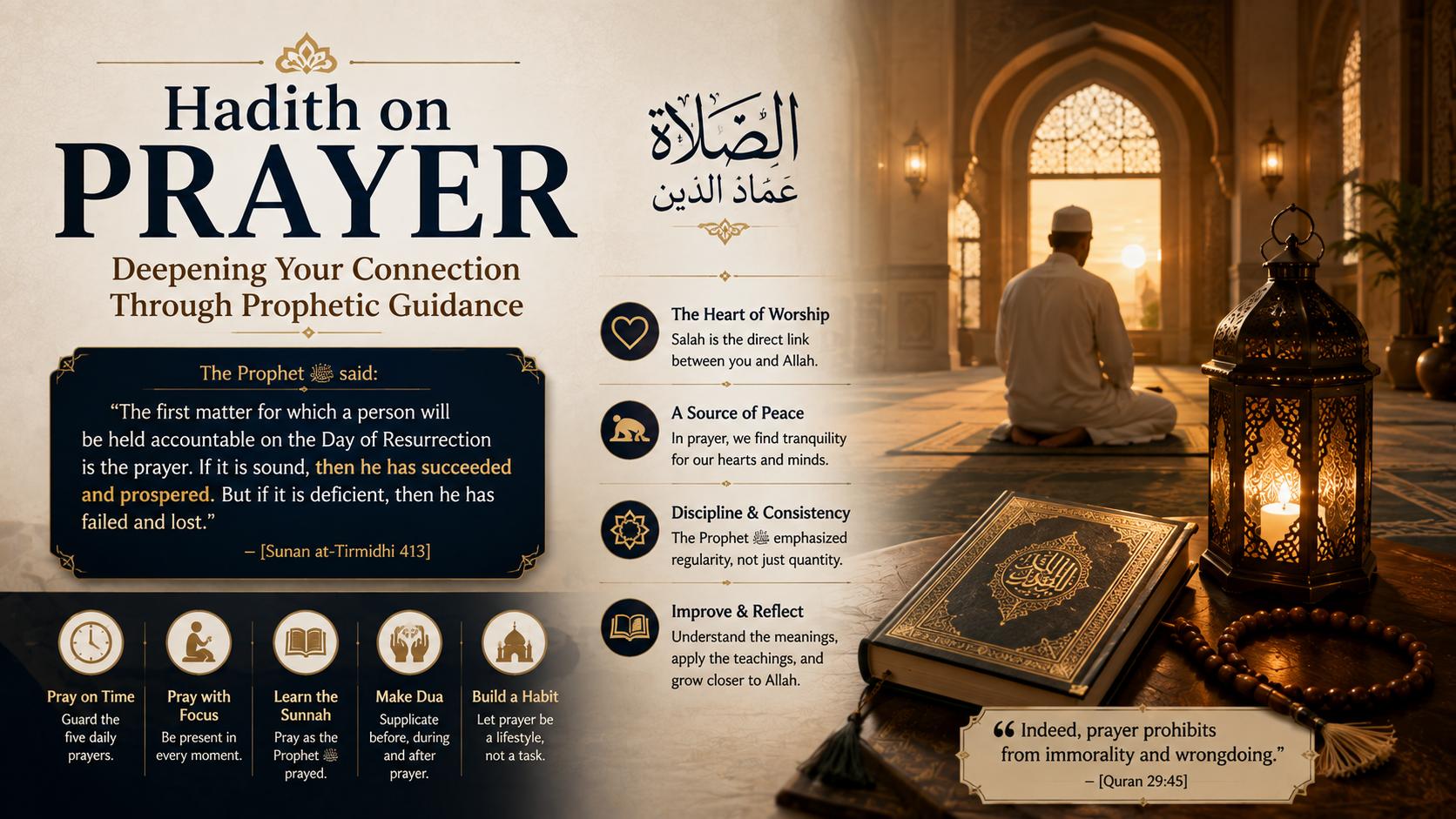
Prayer (salah) constitutes Islam’s second pillar and primary direct communication with Allah. While Quran establishes prayer obligation and basic structure, hadith literature provides essential details enabling proper performance—from ablution procedures to inner attitudes, from physical mechanics to spiritual depths. Mastering prophetic guidance on prayer transforms mechanical ritual into transformative encounter with the Divine.
Ablution (wudu) preparation receives meticulous hadith attention because prayer validity depends on ritual purity. The Prophet demonstrated complete sequence: intending purification, saying Bismillah, washing hands to wrists, rinsing mouth and nose, washing face completely, washing arms to elbows, wiping head (including ears), and washing feet to ankles. Each action has specific parameters—ensuring water reaches every required part, maintaining order, and performing continuously without long pauses. Deficiencies require correction or repetition.
The call to prayer (adhan) and its response constitute sunnah mu’akkadah (emphasized voluntary practice). The Prophet instructed repeating after muezzin’s phrases (with modification for “hayya ‘ala” clauses), sending blessings upon him when hearing his name, and making personal supplication after adhan—which he promised would be answered. This creates transition period from worldly activity to divine audience, preparing heart for sacred conversation.
Prayer mechanics derive almost entirely from hadith description. Standing upright with calmness, bowing until reachable, prostrating with seven bones touching ground (forehead, nose, hands, knees, feet), sitting between prostrations properly—each position has prophetic specification. The Prophet commanded worshippers to pray as they saw him pray, making his demonstration authoritative template for all subsequent generations.
Inner dimensions receive perhaps greater emphasis than external form. The Prophet described prayer quality varying by presence of heart (khushu’). Some exit with only partial reward due to distraction; others receive full reward plus raised ranks for complete devotion. He compared prayer’s five daily periods to refreshing river baths washing away sins accumulated between sessions—provided certain conditions are met regarding focus and humility.
Voluntary prayers supplement obligatory ones significantly. Sunnah rawatib before/after fard prayers fill gaps and elevate deficient obligatory performances. Tahajjud night prayer holds special status as “best prayer after obligatory.” Witr concludes night devotion. Istikhara seeks guidance. Eclipse prayers respond to cosmic events. Funeral prayers serve deceased community members. Each type has specific timing, format, and purpose detailed in hadith collections.
Common errors requiring correction appear frequently in prophetic corrections. He redirected people looking around during prayer, rushing through prostrations, praying while hungry (when food is served), or beginning prayer while needing restroom. These practical adjustments ensure worshipper comfort and concentration. The principle emerges that removing distractions enables better focus.
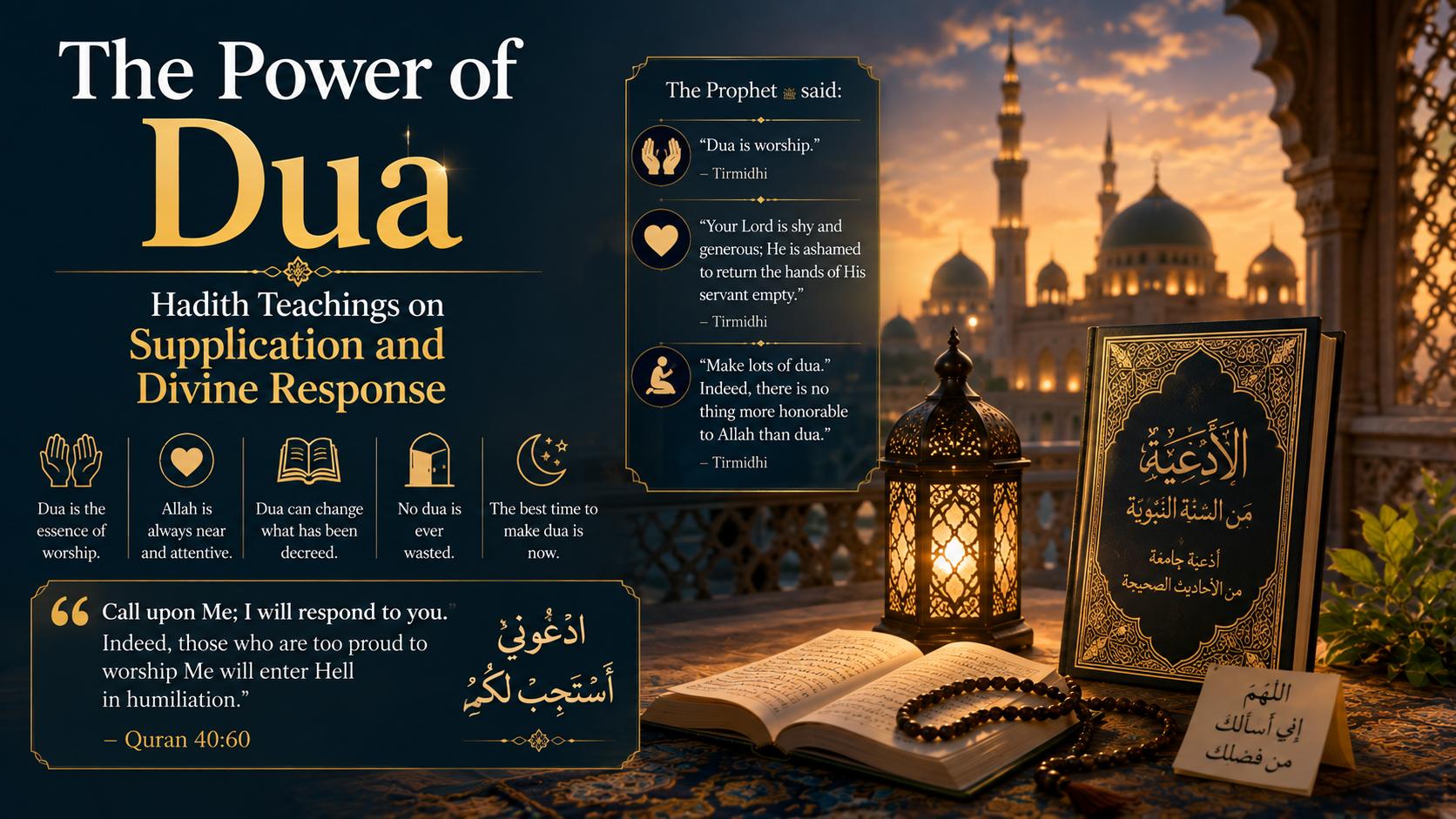
Supplications within prayer (du’a al-masnoon) add personalized dimension to formal structure. Various wordings exist for different positions—standing, bowing, prostrating, sitting tashahhud. The Prophet taught multiple options allowing variety while maintaining substance. Memorizing these enriches prayer vocabulary and prevents monotony from reducing engagement.
Friday prayer (Jumu’ah) carries unique requirements and rewards. Early arrival earns increasing reward proportional to timing—angels record attendees from first arrival onward. Ghusl (full bath), wearing clean clothes, applying perfume, and going early all mark special preparation. The sermon (khutbah) portion demands attentive silence—speaking during khutbah invalidates Jumu’ah according to many scholars. Post-prayer mosque stay until Asr completes optimal Friday observance.
Women’s prayer considerations appear in relevant hadiths. Women prayed behind men in mosque during prophetic era, with designated rows (last rows best for them, first for men to facilitate exit without mixing). Home prayer equals mosque reward for women according to authentic narrations, accommodating domestic responsibilities while maintaining spiritual practice.
Developing prayer quality requires patience with gradual improvement. Initial focus might target physical correctness, then consistency, then presence of heart, then prolonged prostration for closeness. Each level builds upon previous foundations. The Prophet’s companion who struggled with prayer length eventually requested shorter prayers, receiving permission while being encouraged toward eventual completion—modeling accommodation alongside aspiration.