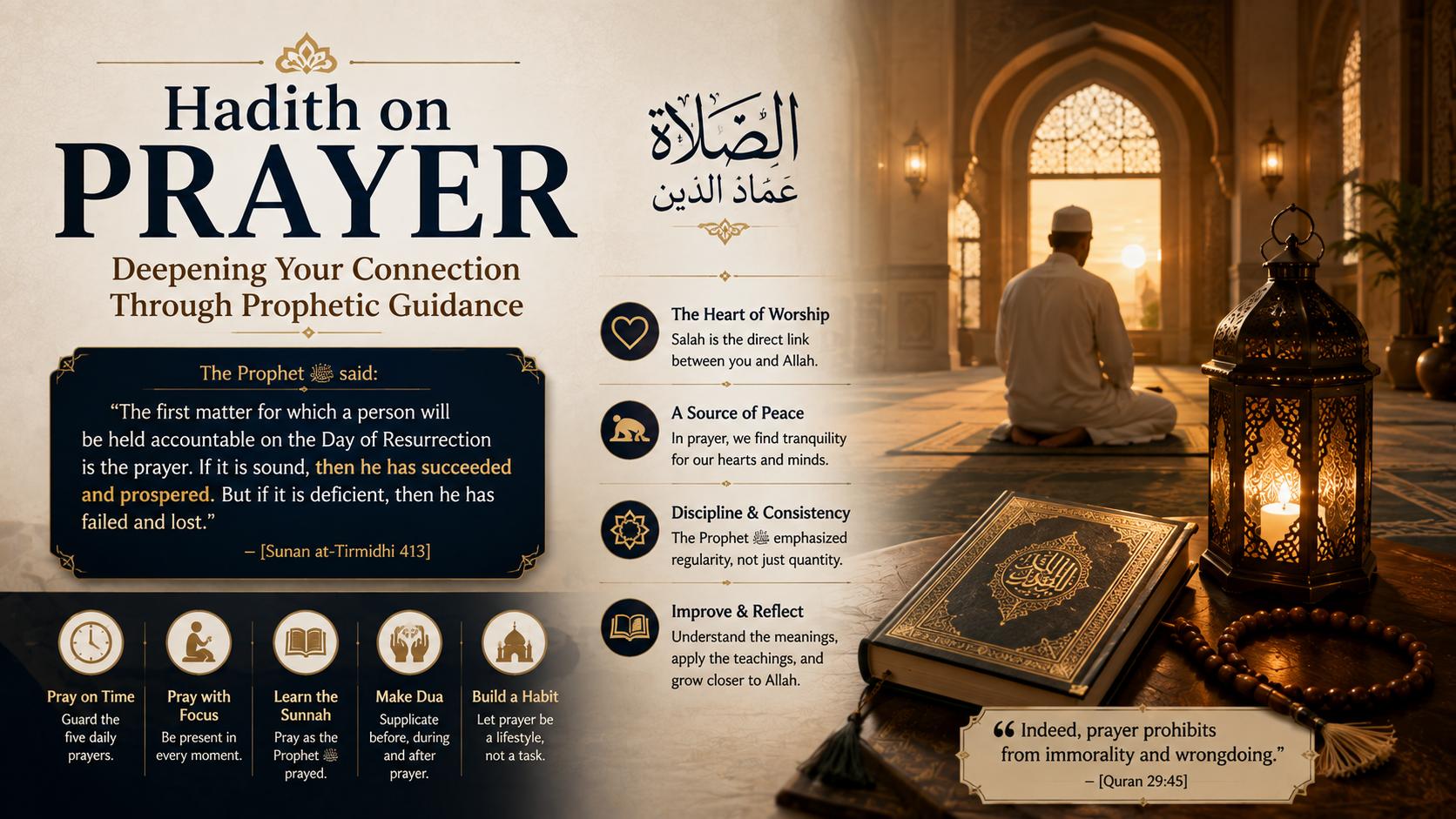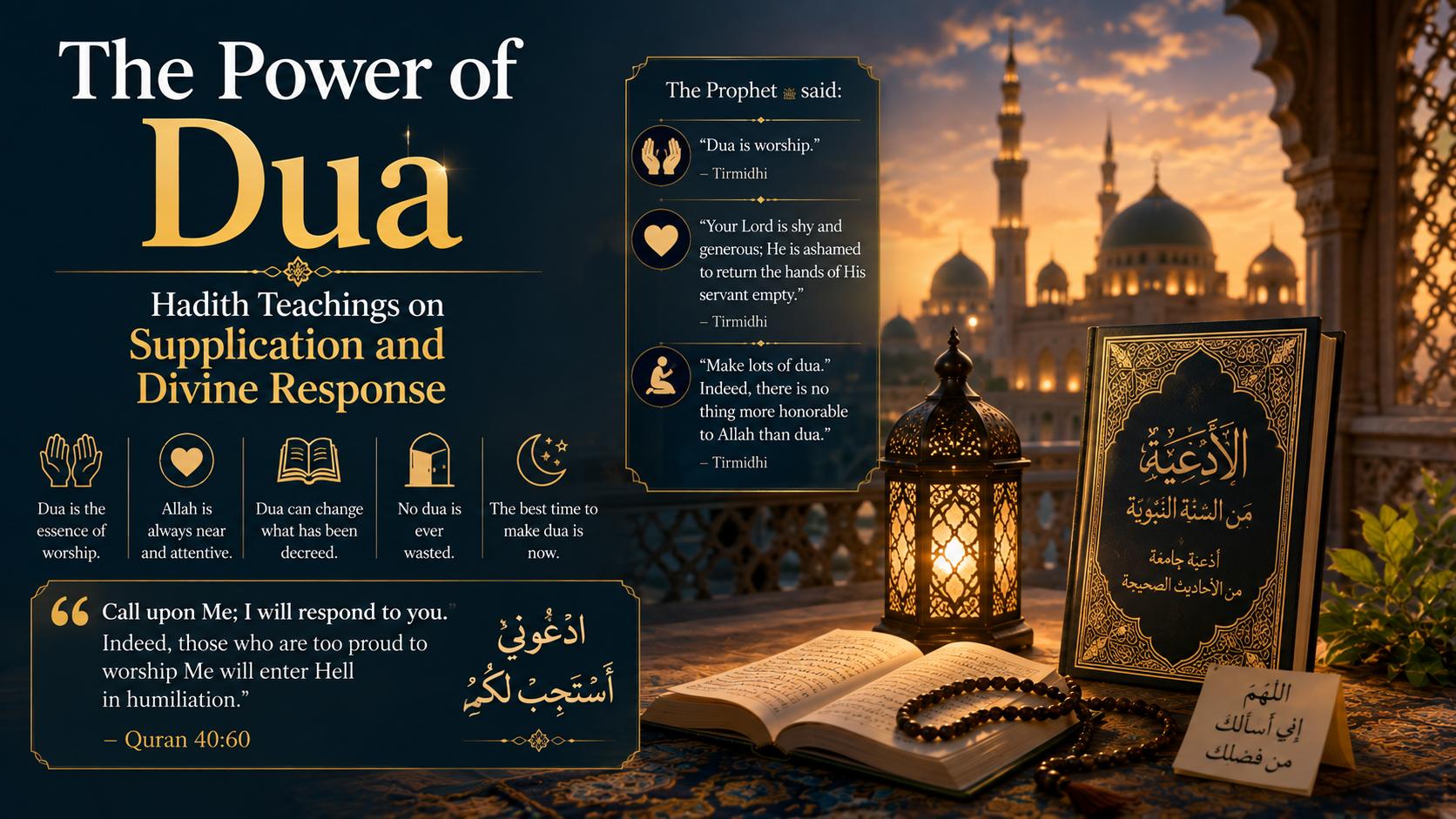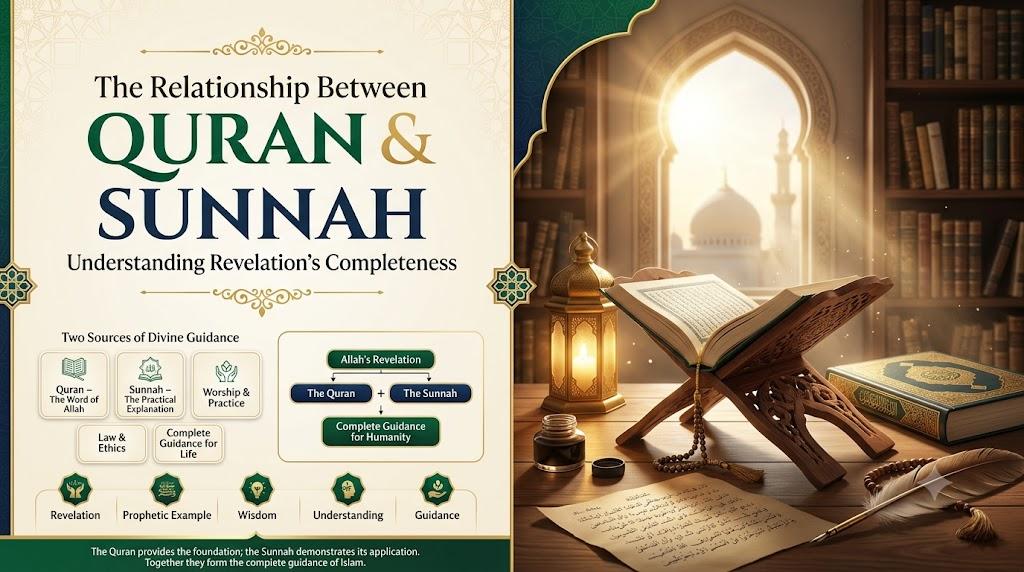
The Quran and Sunnah form integrated revelation system—Quran as written word, Sunnah as living interpretation. Understanding their relationship prevents errors of either neglecting prophetic example (claiming “Quran is enough”) or elevating hadith to Quranic status (imposing certainty levels inappropriate to transmission differences). Proper conceptualization positions Sunnah as essential complement without competitor to Quranic primacy.
Quranic verses themselves establish Sunnah’s authority. “And whatsoever the Messenger gives you, take it; and whatsoever he forbids you, abstain from it” (Hashr: 7) creates binding obligation regarding prophetic instructions. “Indeed in the Messenger of Allah you have a beautiful example to follow” (Ahzab: 21) presents his conduct as intentional model for emulation. These verses, among others, ground Sunnah’s normative status in Quranic text itself—making rejection of authentic Sunnah tantamount to disobeying Quran.
The Prophet’s role as explainer (mubayyin) appears in verse: “We have revealed to you the Reminder that you may make clear to the people what has been sent down to them” (Nahl: 44). This explanatory function covers Quran interpretation—how to implement general commands specifically, what ambiguous passages mean, and how seemingly contradictory verses reconcile. Without Sunnah, much Quran remains incomprehensible or prone to distortion.
Prayer details illustrate indispensability. Quran commands prayer establishment dozens of times but specifies neither timing nor format. The complete five-daily-prayer system with its precise movements, timings, and wordings comes entirely through prophetic practice and instruction. Someone attempting to worship using “Quran only” couldn’t perform Islam’s central pillar adequately—demonstrating Sunnah’s practical necessity.
Legislative expansion through Sunnah addresses areas Quran mentions generally. Inheritance shares receive Quranic specification, but execution procedures come from hadith. Prohibited substances include intoxicants named in Quran plus additional items identified by the Prophet. Punishment types mention Quranic categories while specific applications derive from prophetic adjudication. This legislative partnership fills gaps that written constitution inevitably contains.
Transmission differences affect authority character. Quran’s mutawatir (mass-transmitted) nature eliminates doubt about authenticity—every verse reached us through chains so numerous that fabrication is impossible. Hadith varies from mutawatir to ahad (singular-chain), requiring graded confidence levels. Most legal hadiths fall into sahih/authentic category, but acknowledgment of transmission variance prevents treating all hadiths as equally certain.
Methodological principles govern apparent conflicts. When authentic hadith seems to contradict clear Quranic ruling, reconciliation attempts proceed through: contextual limitation (specific vs. general), chronological abrogation (earlier-later sequence), or deeper hermeneutical understanding showing actual harmony. Genuine contradictions don’t exist between divine revelations; perceived conflicts indicate incomplete comprehension.
Historical development shows companions treating Sunnah as authoritative from earliest period. Abu Bakr’s caliphate decisions referenced prophetic precedent; Umar’s jurisprudence relied heavily on recalled practices; Ali’s judgments invoked specific hadiths. This continuous usage confirms that Quran-Sunnah integration wasn’t later innovation but original understanding.
Classical scholar formulations crystallized the relationship. Imam Shafi’i’s Risala systematically argued Sunnah’s authority based on Quran, consensus, and reason. Ibn Taymiyyah’s categorizations distinguished between different Sunnah types (verbal, actionable, tacit approval) and their respective evidentiary weights. Hanafi school’s methodology emphasized prophetic companions’ practice as authoritative extension. These frameworks provide sophisticated handling of complex interactions.
Modern challenges include reformist movements minimizing hadith’s role and traditionalist approaches potentially overstating certain narrations. Balanced position recognizes Quran as absolutely certain primary source while affirming authentically-established Sunnah as binding secondary revelation. This middle path avoids extremes of negligence or excess.
Practical implication involves consulting both sources for comprehensive guidance. Quran study shouldn’t exclude hadith consultation; hadith learning shouldn’t replace Quran engagement. Together they provide complete picture—general principles plus specific applications, eternal truths plus timely implementations. The believer’s task is mastering both dimensions for holistic Islamic practice.
The Prophet himself emphasized this unity: “I have been given the Quran and something like it along with it” (referring to Sunnah). His assurance that deviation from his Sunnah leads astray reinforces that following both revelations together protects from error. This complementary relationship, established by divine wisdom, guides believers toward complete religion acceptable to Allah.
GLOBAL UMMAH
Exploring the Global Muslim Community & Its Role in the World