Kindness to parents (birr al-walidayn) ranks among Islam’s most emphasized duties, appearing repeatedly in both Quran and hadith with exceptional urgency. After worshipping Allah alone, honoring parents constitutes the most important obligation—surpassing even jihad in some narrations. The Prophet’s extensive teachings on parental kindness address adult children’s responsibilities, providing detailed guidance for maintaining family bonds that strengthen individuals and society.
The foundational hadith comes from Abdullah ibn Mas’ud asking which deed pleases Allah most. The Prophet replied: “Prayer at its proper time.” When asked what comes next, he said: “Kindness to parents.” When asked again, he answered: “Jihad in the way of Allah.” This hierarchy places parental kindness second only to ritual worship itself—above fighting for Islam’s defense, above all other voluntary good deeds. The positioning shocks those expecting purely “religious” priorities, revealing that family duty holds supreme spiritual significance.
Mother’s rights receive triple emphasis over father’s in famous narration. When asked about serving parents, the Prophet three times specified “your mother,” finally adding “then your father” on fourth inquiry. This prioritization reflects pregnancy, childbirth, nursing, and upbringing burdens predominantly borne by mothers. It doesn’t diminish paternal importance but acknowledges maternal sacrifice deserving extra recognition.
Parents’ status extends beyond obedience into reverence requiring gentle speech, humble demeanor, and lowered wing of mercy (lowering pride before them). Even saying “uff” (slight groan of annoyance) is forbidden—let alone shouting, insulting, or striking. The Prophet emphasized that parental pleasure indicates divine displeasure, and vice versa. This correlation makes parental relationship barometer for spiritual health.
Caring for aging parents brings particular reward. Serving parents in old age, when they become dependent as once we depended on them, opens doors to paradise. The Prophet promised that such service, done sincerely for Allah’s sake, expiates sins and elevates status. One companion sought permission for jihad, but the Prophet asked if his mother was alive—upon confirmation, he instructed: “Stay with her, for paradise is beneath her feet.”
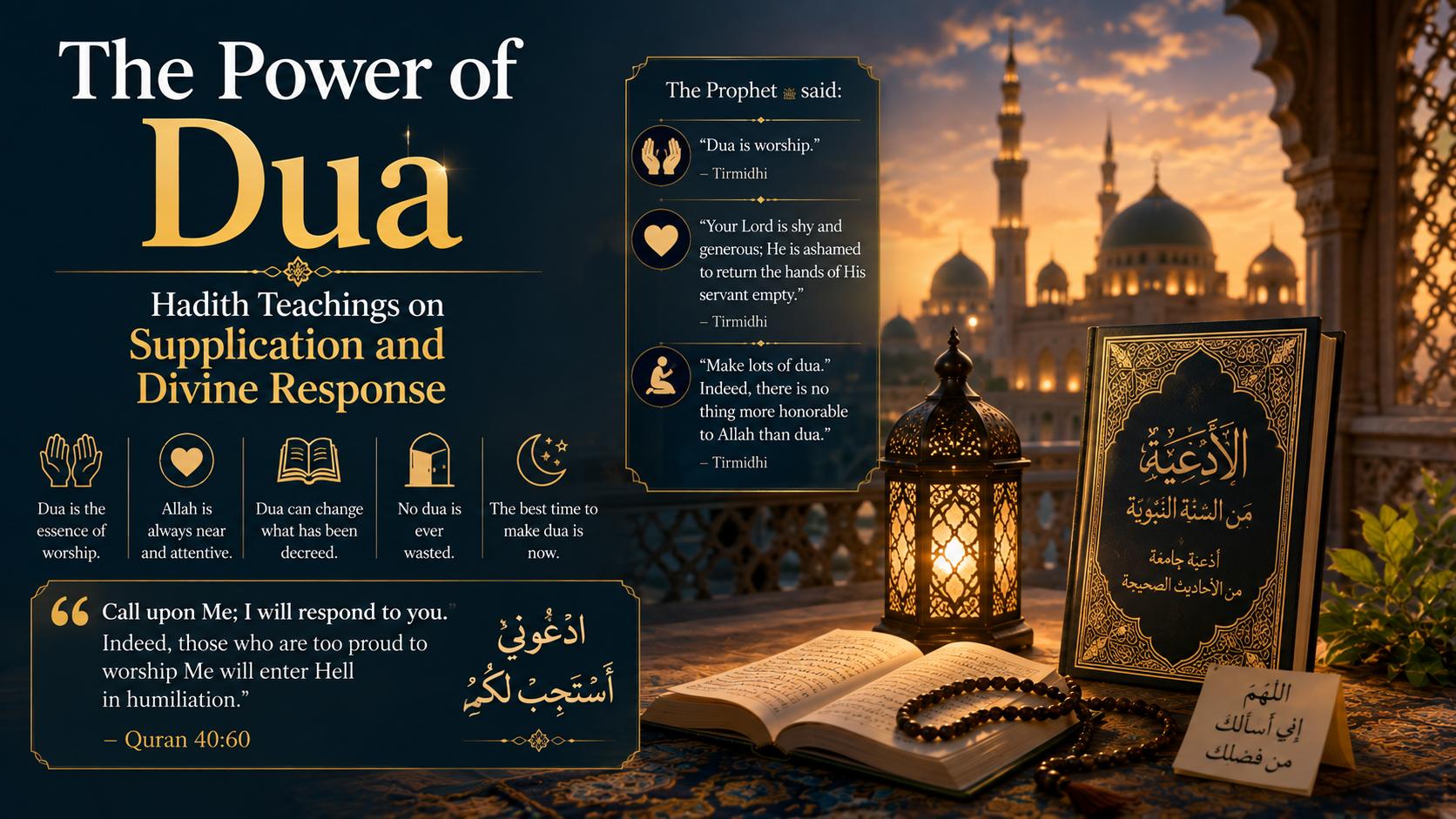
Deceased parents continue deserving honor through supplication, fulfilling their promises, maintaining kinship ties they valued, and respecting their friends. The Prophet confirmed that deceased benefit from righteous children’s prayers—making ongoing dua perpetual gift beyond death. Charity given in their name also reaches them as sadaqah jariyah (continuous charity).
Challenging parent-child relationships require nuanced application. Non-Muslim parents still deserve kind treatment unless obedience would compromise Islamic practice. In cases of conflict between parental wishes and divine command, the Prophet modeled respectful decline without harshness—following Ibrahim’s path with his father while maintaining courtesy. Abuse doesn’t justify retaliation; protection from harm differs from disrespect.
Financial responsibility falls primarily on sons according to classical jurisprudence, though daughters contribute voluntarily. Providing housing, food, clothing, medical care, and companionship constitutes minimum obligation when parents cannot support themselves. The Prophet’s warning about grasping children who withhold wealth from needy parents serves stern reminder.
Modern contexts present new applications: elderly parents in nursing homes need regular visits and advocacy; immigrant families navigating cultural gaps require patience; parents with dementia demand extraordinary compassion; estrangement situations call for reconciliation attempts. Underlying principles translate across circumstances even when specific scenarios differ from seventh-century Arabia.
Community role in supporting filial piety includes cultural reinforcement, practical assistance (respite care, financial aid), and social pressure against parental neglect. Mosques can facilitate education about elder care responsibilities. Extended family networks traditionally shared burden that nuclear families now shoulder alone—suggesting renewed collective approaches.
Personal reflection on parental relationship often reveals improvement areas. Have we called recently? Visited? Asked about their needs? Listened to their stories (even repetitive ones)? Expressed gratitude for sacrifices made? Small consistent actions accumulate into birr that pleases Allah and comforts parents in their declining years.
The ultimate model remains the Prophet himself, who remained attentive to foster mothers and honored all elder figures throughout his life. His grave-side statement about preferring this world’s pleasures over next, then choosing mother’s company, encapsulates parental love’s preciousness. Following his example in family matters draws us closer to his character—the very embodiment of Quranic guidance.