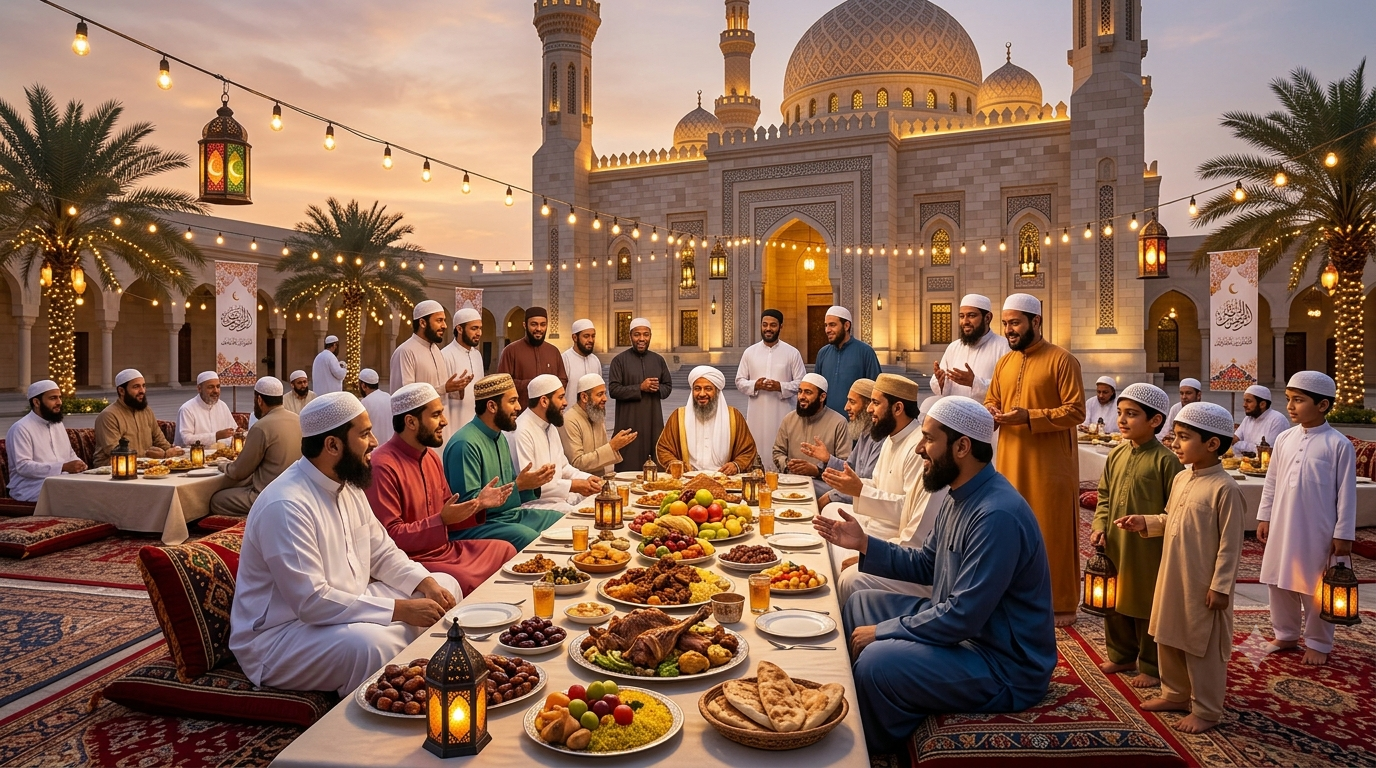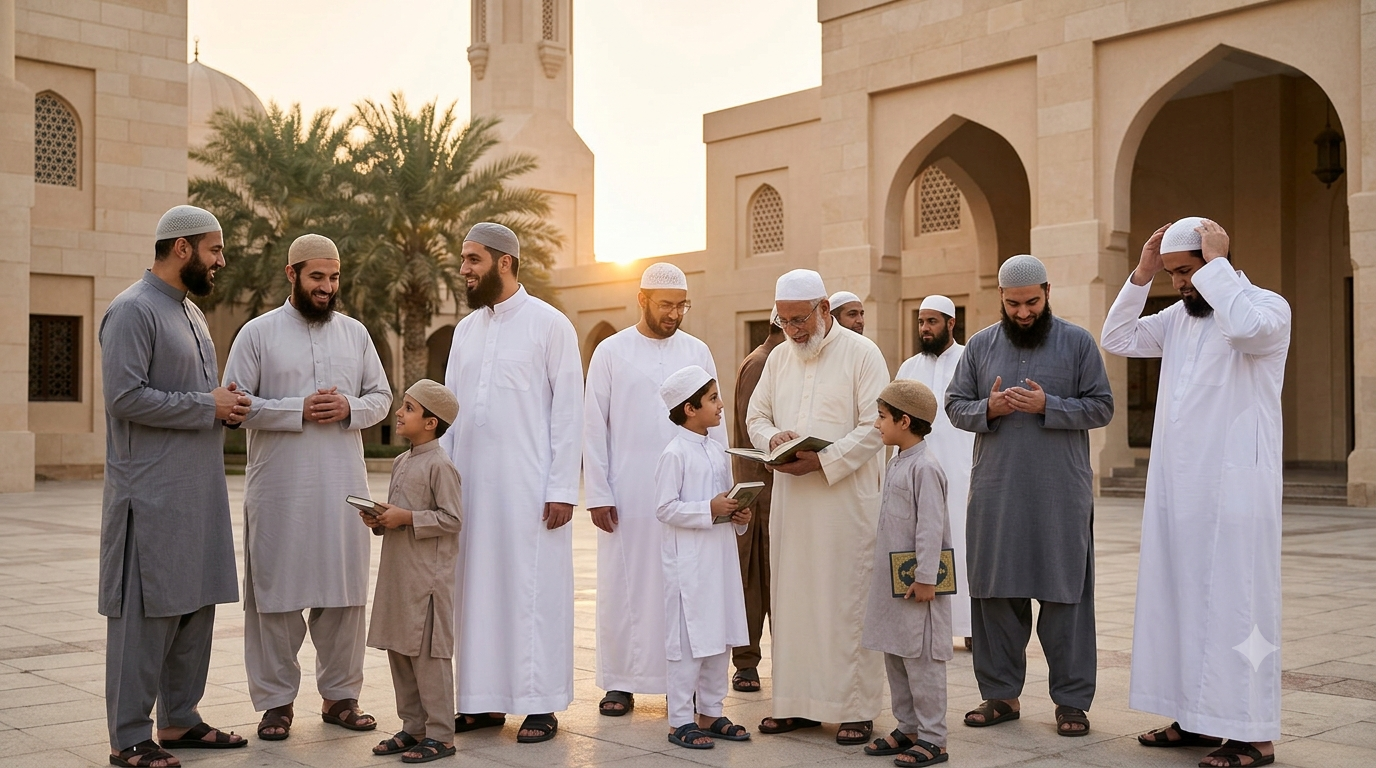
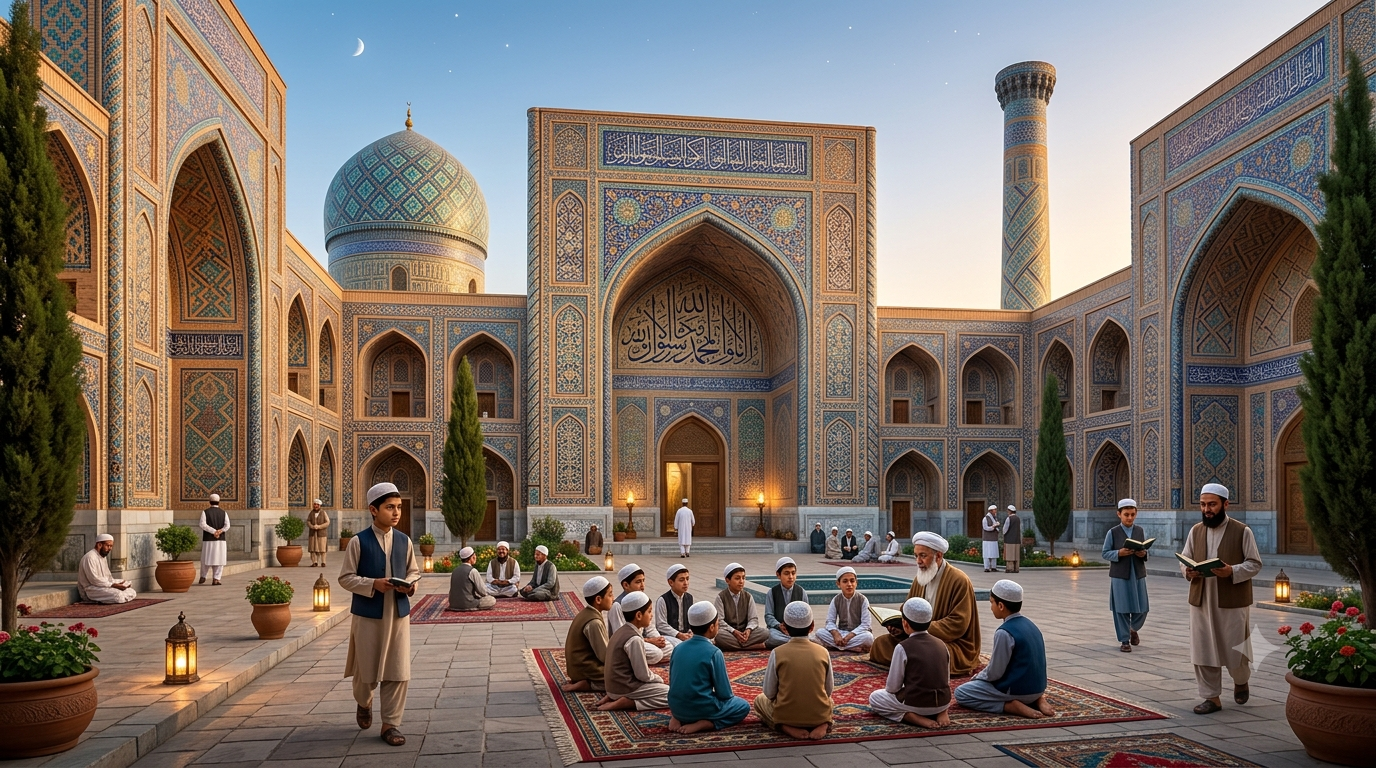
Islamic sacred architecture represents physical manifestation of theological vision—structures designed to facilitate worship while embodying cosmic principles about creation’s relationship to Creator. From grand mosques to humble prayer spaces, Islamic architecture communicates spiritual truths through form, proportion, decoration, and spatial organization. Understanding these spaces enriches appreciation for both religious function and artistic achievement. Mosque architecture centers on qibla orientation—direction toward Kaaba in Mecca that all Muslims face during prayer. This requirement shapes entire building layout, creating unified orientation for worshippers worldwide regardless of geographical location. Mihrab (prayer niche indicating qibla direction) becomes architectural focal point, often receiving most elaborate decoration. Minaret (tower for call to prayer) extends vertical presence visible from distance, calling believers to gather five daily. Dome structures create acoustic properties enhancing congregational recitation while symbolizing celestial vault. The Prophet’s mosque in Medina established prototype. Originally simple structure with palm-trunk pillars, thatched roof, and open courtyard, it emphasized function over ornament—demonstrating that architectural splendor is optional while community gathering space remains essential. Expansion occurred progressively as Muslim community grew, establishing pattern of organic growth many subsequent mosques followed. The simplicity of original mosque continues to inspire minimalist approaches prioritizing worshipper experience over visual impressiveness. Geometric patterns characteristic of Islamic decorative arts reflect theological positions. Abstract designs avoid idolatry concerns associated with figurative representation (particularly in sacred spaces). Mathematical precision underlying geometric patterns expresses appreciation for divine order in creation. Infinite repetition possible in tessellated patterns suggests infinite nature of divine attribute. Calligraphy integration incorporates Quranic verses directly into architectural surface—word becoming visual element carrying both meaning and beauty. Light manipulation plays crucial role in mosque architecture. Lattice screens (mashrabiya) filter harsh sunlight into soft illumination while maintaining privacy. Courtyard gardens bring natural light and ventilation to building interior. Skylights and windows positioned to create specific effects at prayer times—particularly at dawn and dusk when light quality shifts dramatically. Some contemporary mosques employ sophisticated engineering to track solar position, aligning light flow with prayer schedule. This attention to light reflects Quranic emphasis on light as metaphor for divine guidance. Regional styles developed distinct characteristics reflecting local materials, climate, and cultural preferences. Ottoman mosques feature large central domes, pencil-shaped minarets, and extensive tilework. Persian architecture emphasizes iwan (vaulted hall) entrances, garden courtyards, and intricate mosaic tile facades. Mughal architecture (Taj Mahal representing peak achievement) combines Persian elements with Indian traditions, producing white marble structures with inlay work. North African mosques show Berber and Andalusian influences through horseshoe arches and geometric stone work. Southeast Asian mosques often feature multi-tiered roofs reflecting local temple architecture. This diversity demonstrates Islam’s ability to express universal principles through culturally specific forms. Contemporary mosque architecture navigates between tradition and innovation. Some architects replicate historical styles almost exactly—providing continuity
with heritage. Others experiment boldly with modern materials and forms—creating striking structures that challenge expectations while maintaining functional requirements. Still others seek synthesis—honoring traditional principles (qibla orientation, spatial hierarchy, avoidance of figurative imagery) through contemporary design language. Debates about authenticity versus innovation reflect broader tensions within Muslim communities about balancing preservation with creative engagement with present circumstances. Domestic architecture incorporating Islamic principles extends sacred concepts into daily life. Home prayer spaces, ablution areas, gender-separated reception areas for guests, privacy provisions, and courtyard layouts facilitating family life while enabling ventilation and natural light—all translate mosque principles to residential scale. The home as “;small mosque”; concept maintains spiritual awareness within ordinary environment. Visiting sacred spaces—whether grand historical mosques or local prayer rooms—offers opportunities for reflection beyond formal worship. Appreciating architectural beauty as sign of divine creativity, recognizing community investment in shared sacred space, feeling connection to generations of previous worshippers, experiencing temporary escape from secular environment’s demands—these secondary benefits complement primary purpose of performing prayers. The physical space shapes spiritual experience; thoughtful design honors both worshippers and Worshipped. Preservation of historic Islamic architecture faces challenges from development pressure, conflict damage, neglect, and inappropriate restoration. Organizations worldwide work to document, protect, and restore endangered Islamic built heritage—recognizing these structures as patrimony not only for Muslims but for all humanity. Each preserved mosque maintains living connection to centuries of devotion, craftsmanship, and community life. Losing such structures severs tangible link to past that photographs and descriptions cannot fully replace. The ultimate purpose of sacred space remains facilitation of human-divine encounter. However magnificent or humble, architecture serves function—it does not replace relationship. The most beautiful mosque without sincere worshippers remains empty shell; the simplest structure filled with devoted hearts becomes palace where Allah is remembered and honored. This priority keeps material beauty in proper perspective: valuable but subsidiary to spiritual purpose it serves.