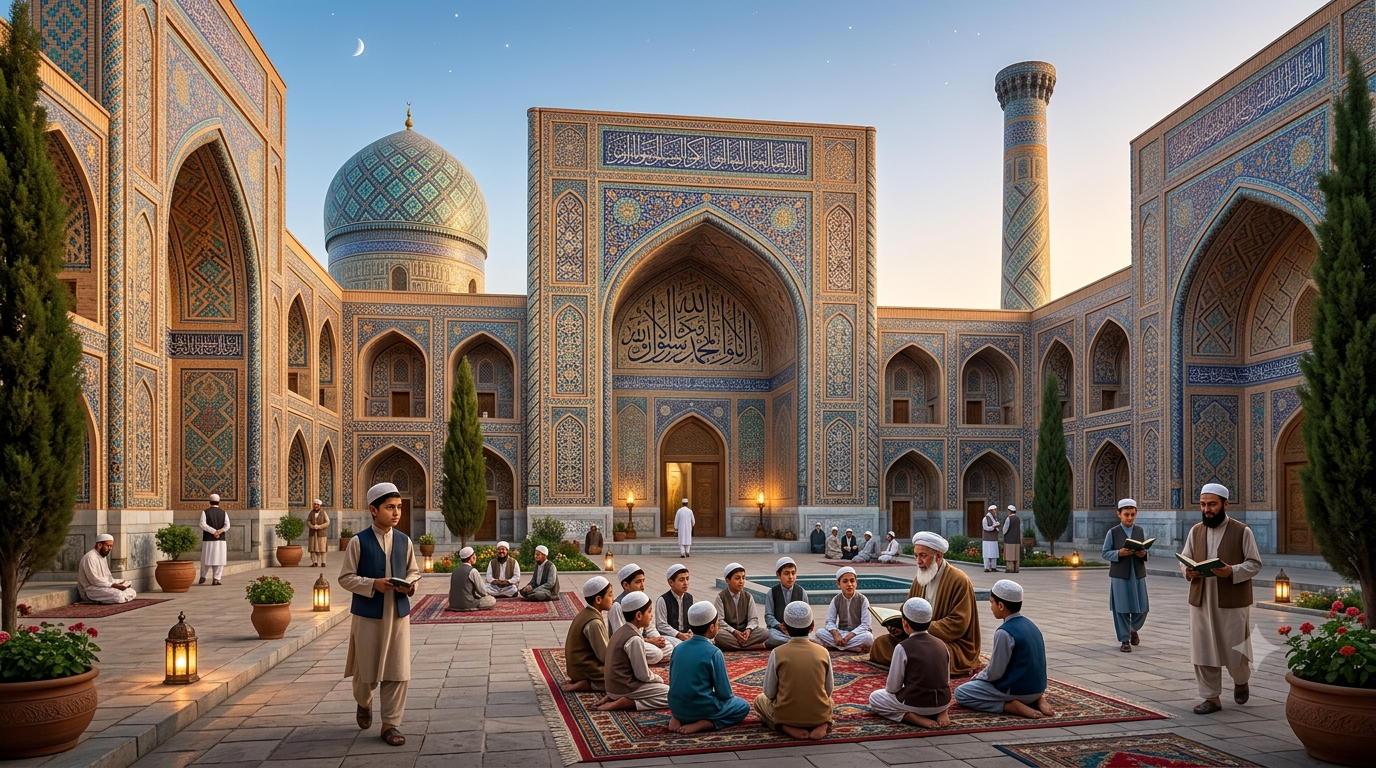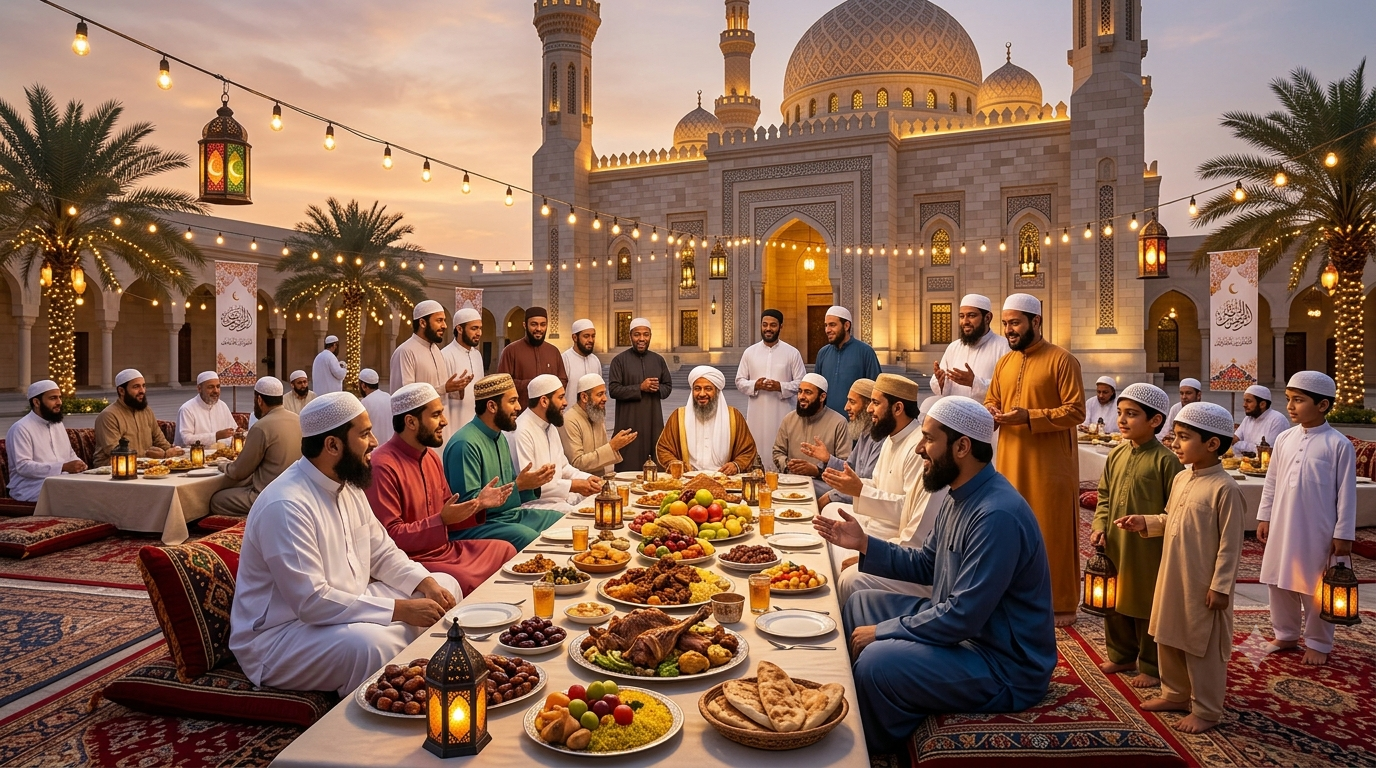
Beyond the two major Eids, Islamic calendar contains numerous commemorative occasions bringing communities together throughout year. Laylat al-Qadr (Night of Power) falls in last ten nights of Ramadan—encouraging intensified worship throughout decade. Mawlid al-Nabi (Prophet’s Birthday) generates significant though contested celebration, marked by many Muslims with sermons, processions, poetry recitation, and charitable distribution. Laylat al-Miraj commemorates Prophet’s miraculous night journey and ascension to heavens. Ashura (10th of Muharram) carries different meanings—for Sunnis, recommended fasting day; for Shias, commemorating Hussein’s martyrdom at Karbala. Mid-Sha’ban (15th of 8th month) is night of forgiveness in many traditions. New Islamic Year (1st of Muharram) marks Hijri calendar’s turning point—tending toward sober contemplation. Seasonal changes generate localized observances. National independence days in Muslim-majority countries often incorporate Islamic elements. Local saints’ celebrations (urs) occur throughout Islamic world, particularly in Sufi-influenced regions. Cultural festivals with Islamic dimensions vary by region. Balancing celebration with proper observance requires wisdom—excessive festivity that distracts from obligatory worship contradicts Islamic priorities. The Islamic calendar’s rhythm structures year around spiritual peaks and valleys—major Eids provide mountain-top celebrations; smaller observances provide hills and valleys of heightened attention throughout. Living consciously within this temporal framework keeps believer attuned to time’s sacred dimension—every moment potentially precious for worship, gratitude, and preparation for meeting with Creator.