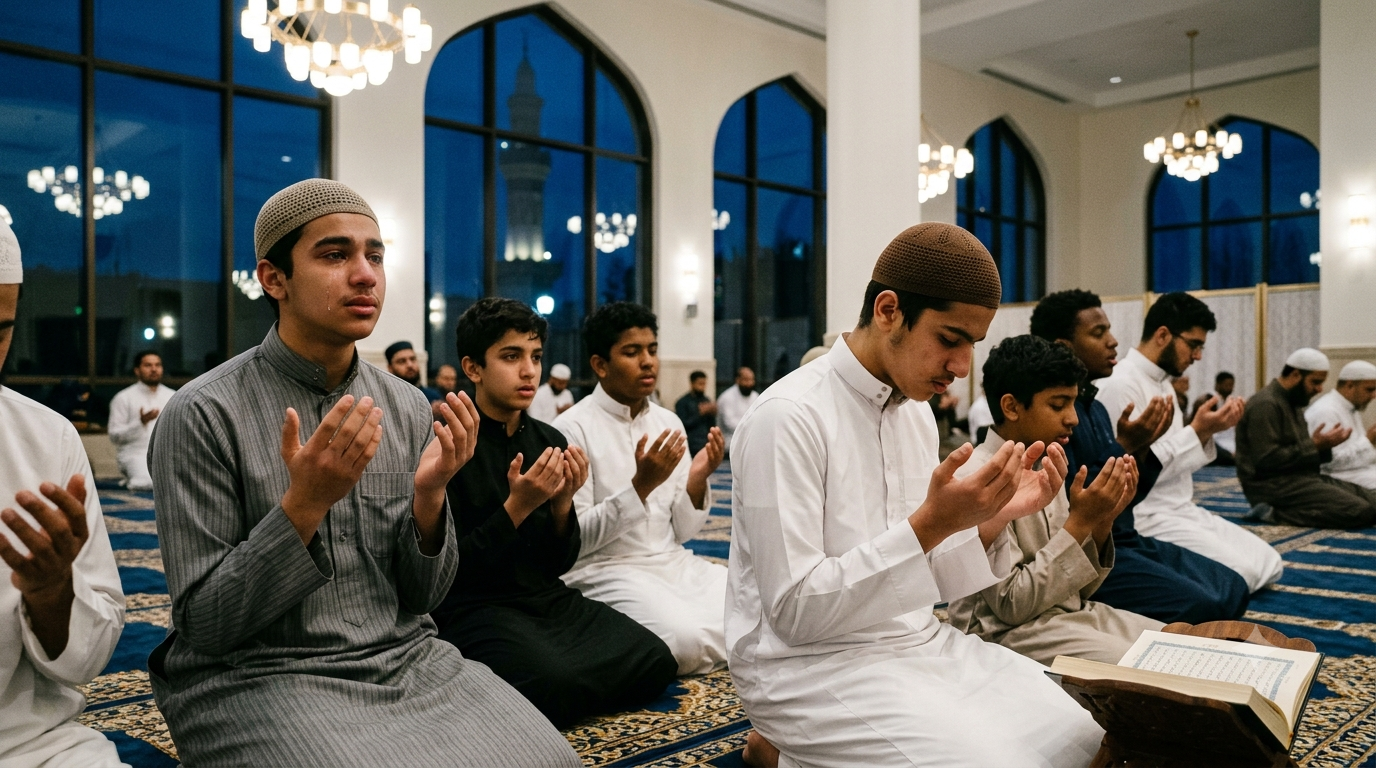
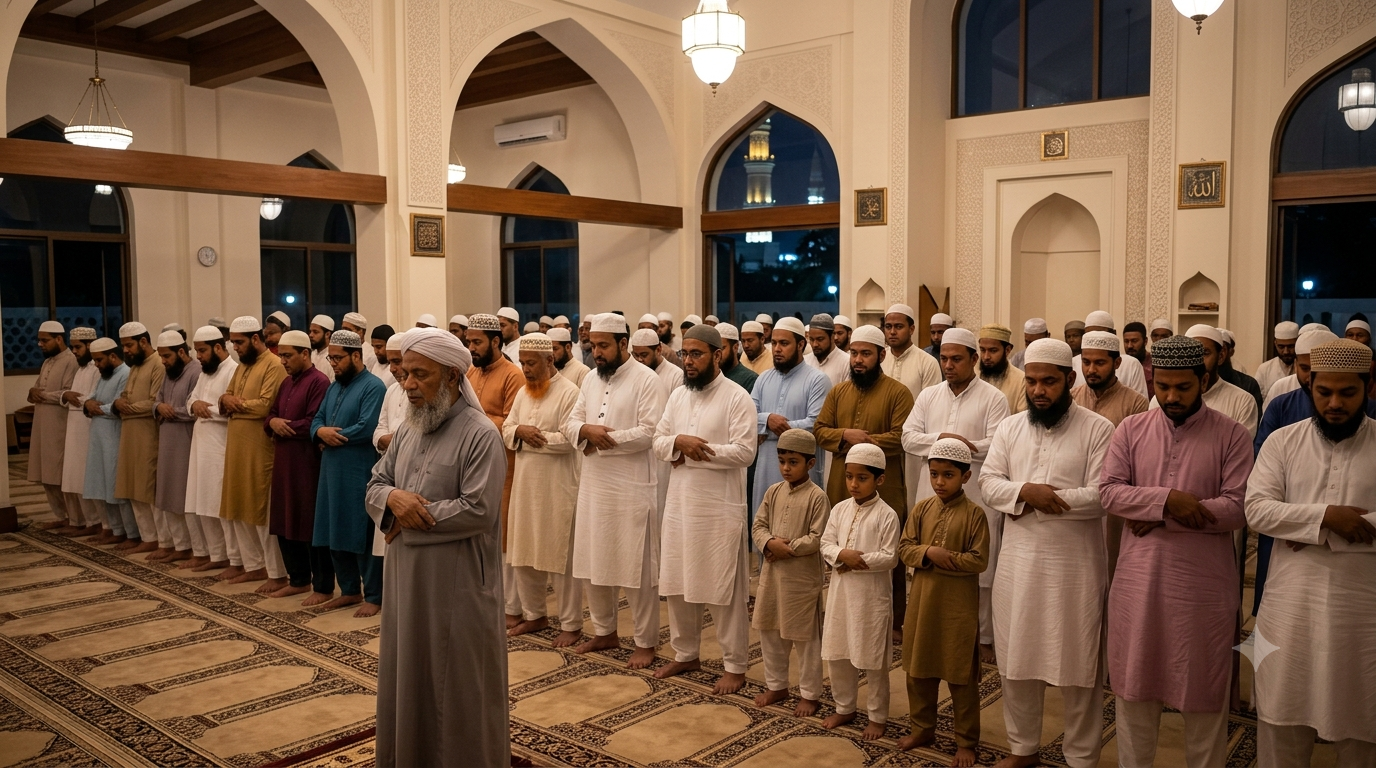
Taraweeh prayers distinguish Ramadan nights from all others in Islamic calendar. These special night prayers, performed after isha in congregation (or individually), feature extended Quran recitation, communal gathering, and spiritual atmosphere unique to blessed month. Understanding taraweeh’s virtues, navigating practical considerations, and maximizing benefit from this nightly opportunity enriches Ramadan experience significantly. Origin and basis of taraweeh traces to Prophet’s practice. He initially prayed taraweeh in mosque congregation for several nights, then stopped—concerning that Allah might make it obligatory upon his community, which would then become burden unable to be fulfilled. He clarified that he chose ease for his ummah over intensity of continuous congregational taraweeh, while encouraging individuals to pray at home. After Prophet’s death, Caliph Umar reestablished congregational taraweeh under Ubayy ibn Ka’b’s leadership, noting that while not constituting bid’a (innovation) in negative sense (being practiced by Prophet), gathering behind single imam represented good innovation (bid’a hasana). This precedent established norm continuing to present across Muslim world. Number of units generates ongoing scholarly discussion. Prophet’s statement that “;night prayer is two by two”; suggests pairs format. Practice of companions varied: some prayed 8 units plus witr (Aisha’s report of Prophet’s regular practice), others prayed 20 (as recorded of several companions under Umar’s caliphate), some prayed more or fewer. Different legal schools developed positions: Shafi’is and Hanbalis prefer 20; Hanafis consider 20 normative but permit 8; Malikis vary. What matters consensus: praying behind imam regardless of unit count earns reward, and neither position should become point of division among Muslims. Quality trumps quantity in either case. Mosque versus home decision involves multiple factors. Prophetic preference leaned
toward home prayer (to avoid showing off, maintain bedroom as place of worship variety, avoid burden on those who cannot attend). However, congregational prayer generally exceeds individual prayer in reward (27x magnitude according to hadith). Mosque atmosphere—collective devotion, imam’s recitation (often superior to one’s own), community presence—enhances experience. Practical considerations: distance to mosque, safety concerns, family responsibilities, work schedules, health limitations. Many find hybrid beneficial: attending mosque some nights, praying home others, adjusting based on circumstances. What matters most: consistency in praying taraweeh somehow rather than oscillating between ambitious mosque attendance and complete abandonment when logistics prevent. Imams’ recitation style varies significantly. Some complete full juz’ (approximately 20 pages) per night, enabling single-khatm (complete Quran completion) during Ramadan. Others recite shorter portions with longer pauses for reflection. Some employ beautiful melodious recitation emphasizing aesthetic dimension; others prioritize clarity and moderate pace. Rapid recitation enabling quick completion appeals to those with limited time; slow contemplative recitation suits those seeking depth. No single approach is categorically superior; different styles serve different needs and preferences. Criticizing imam’s pace publicly violates Islamic manners; finding mosque matching personal preference or adapting to available option demonstrates wisdom. Women’s participation in taraweeh takes various forms. Prophet explicitly encouraged women to attend mosque prayers (including night prayers) though not without family members: “;Do not prevent Allah’s female servants from mosques of Allah.”; Many mosques today have women’s prayer areas for taraweeh. Others pray at home—perfectly valid and in some respects preferred (per Aisha’s report noted above). Women leading other women in taraweeh (women-only congregation) is permitted by majority opinion. Logistics of childcare, transportation, and mosque accommodation affect decisions differently for women than men; accommodations enabling women’s participation deserve community attention and resource allocation. Concentration during taraweeh presents universal challenge. Lengthy standing, extended recitation, late-hour fatigue, wandering mind—all combat focus. Practical strategies: selecting imam whose recitation style maintains attention; preparing mentally before arriving (brief wudu renewal, moment of intention); choosing position minimizing distraction (front rows, away from doors/exits); bringing Quran to follow along visually (engages additional sense); making brief personal dua during pauses between units; responding to imam’s ameen audibly (participates actively). When concentration fails repeatedly, shorter home prayer with full presence may exceed long mosque prayer with scattered attention. Children at taraweeh require balanced approach. Bringing children familiarizes them with mosque environment and prayer culture—valuable acculturation. Yet disruptive behavior distracts worshippers and frustrates parents. Age-appropriate expectations: toddlers may play quietly with toys (mosque toy corners help); school-age children attempt to follow along for portions appropriate to attention span; teenagers participate fully or take on helper roles. Parents must monitor and manage; mosques can facilitate through family-friendly policies and physical arrangements. The spiritual fruits of consistent taraweeh extend beyond nights themselves. Standing before Allah in quiet darkness, listening to His words recited beautifully, moving in unified rhythm with fellow believers—this experience reshapes heart in subtle but real ways. Patience develops through prolonged standing. Humility arrives through repeated prostration. Community bonds form through regular proximity. Quranic vocabulary enters consciousness through repeated exposure. Even physical tiredness becomes offering to Allah. These cumulative effects compound over Ramadan’s 29 or 30 nights. Post-taraweeh practices capture remaining blessing. Upon returning home, brief optional prayers (witr if not already prayed in congregation, tahajjud addition) extend night worship. Before sleeping, brief dhikr seals night’s
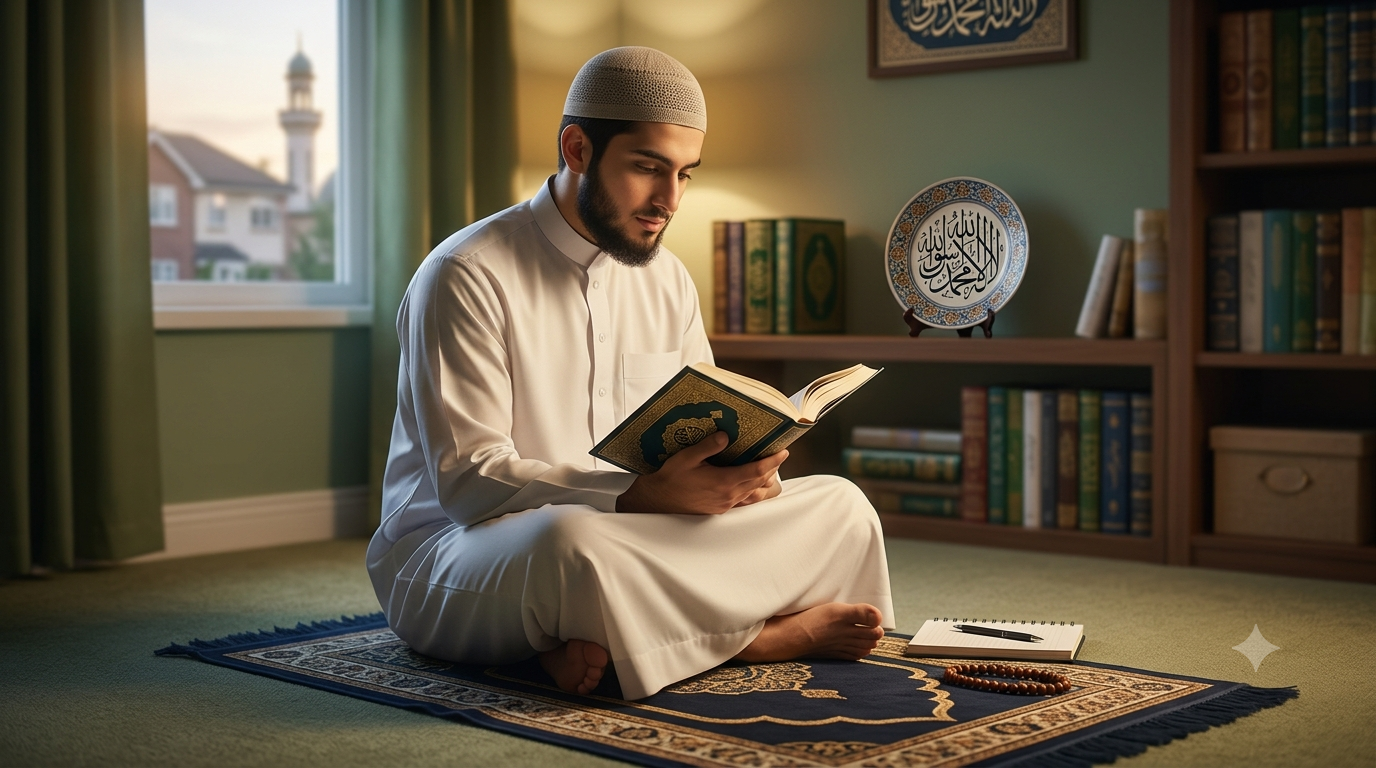
devotion. Reflecting on anything from recitation that particularly struck—verse meaning, emotional reaction, resolution formed—consolidates learning. Ensuring calm transition to sleep (avoiding stimulating phone use) preserves peace cultivated through prayer. For those unable to attend mosque taraweeh (health, location, family reasons), home taraweeh retains full validity and reward. Personal recitation ability determines length—one may recite what one knows, repeat familiar surahs, or listen to recording while following along. Family taraweeh at home (leading spouse and children) creates beautiful domestic worship scene. Flexibility of individual format allows customization impossible in congregational setting. The ultimate purpose of taraweeh, like all worship, is drawing nearer to Allah. Whether standing in grand mosque behind renowned qari or in small room reciting alone, what matters is presence of heart before Lord of worlds. The blessed month’s nights offer this opportunity nightly; consistent engagement with taraweeh—whatever form it takes—captures blessing that awaits those who rise from comfort to seek their Lord in darkness, finding Him near to those who call upon Him sincerely.