https://muslimportal.net/wp-content/uploads/2026/08/7-3.png
Ramadan holds special connection to Quran—month of revelation according to Quran’s own testimony (“;The month of Ramadan is that in which the Quran was revealed”;). This connection makes Ramadan particularly suited for renewed engagement with divine book: completing recitation, deepening comprehension, strengthening memorization, and most importantly, allowing Quran’s guidance to transform believer’s life. Approaching Quran during Ramadan intentionally maximizes this unique opportunity. Completion culture dominates many Muslims’ Ramadan Quran approach: finishing entire book from cover to cover, typically through daily reading of approximately one-thirtieth (juz’). This practice carries genuine virtue—exposure to complete revelation, sense of accomplishment, communal coordination (many mosques follow same schedule for taraweeh). However, completion-focused approach risks sacrificing depth for breadth, reading words without absorbing meaning, treating Quran as task to complete rather than message to receive. Balanced approach integrates completion with comprehension. Comprehension-first approach prioritizes understanding over page count. Reading smaller portions with translation and commentary (tafsir), reflecting on meanings, identifying personal applications—this slower engagement may not complete Quran during Ramadan but yields deeper transformation. Optimal path likely combines both: some reading for completion (perhaps during taraweeh listening) alongside dedicated comprehension sessions with smaller sections. Neither approach invalidates the other; different purposes serve different needs. Arabic proficiency affects engagement possibilities significantly. Native Arabic speakers and those who have studied language can access Quran directly. Non-Arabic speakers depend on translation—which inevitably loses some literary beauty and nuance while conveying core meaning. Using multiple translations illuminates different interpretive choices. Learning Arabic, even incrementally, opens progressively deeper access—every word learned enhances direct engagement. Arabic learning during Ramadan (dedicated study time) combines language acquisition with spiritual practice. Memorization (hifz) accelerates during Ramadan for many. Already memorizing students find retention easier during blessed month. Those considering beginning memorization find Ramadan’s structured environment supportive start. Even memorizing (or revising) short surahs carries reward proportional to letters memorized. Reviewing previously memorized portions (murajaah) prevents loss—tragic when hard-won memorization fades through neglect. Memorization with meaning (understanding what words signify) proves more durable than rote sound sequences. Listening to Quran
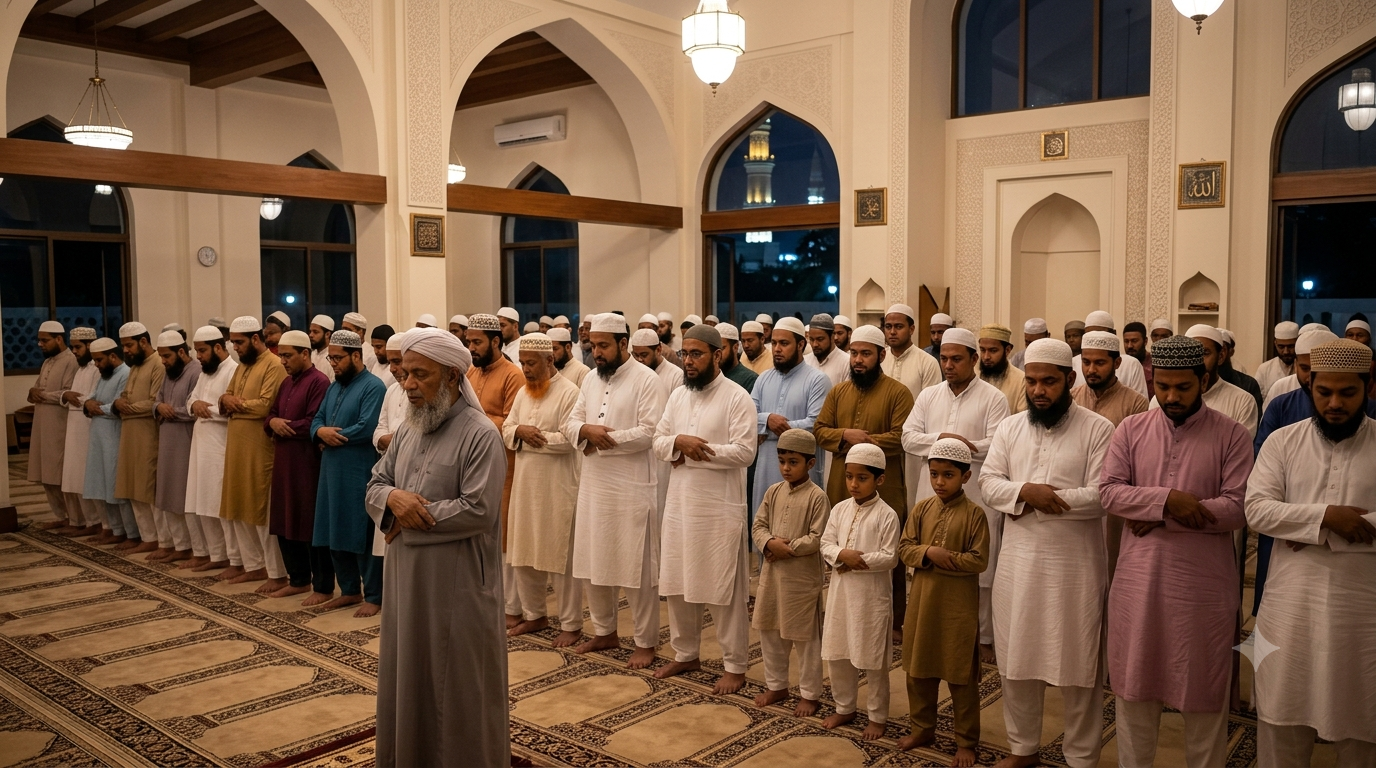
complements personal recitation. Driving, exercising, cooking, falling asleep—times when eyes and hands are occupied can host ears attuned to Quranic recitation. Beautiful recitation (qira’at) by renowned qaris adds aesthetic dimension engaging hearts. Following along in mushaf while listening combines visual and auditory channels. However, passive listening as background noise without attention falls short of Quran’s reception purpose—active listening with intention transforms audio consumption into devotional act. Tafsir (exegesis) study enriches Ramadan Quran engagement enormously. Selecting one surah or even section for deep study—examining classical commentary, historical context, linguistic nuances, legal implications, and spiritual lessons—yields insight that superficial reading cannot provide. Many excellent tafsir resources exist in English and other languages; choosing reliable source matters greatly. Group tafsir classes (at mosques or online) add discussion dimension enhancing individual study. Even brief daily tafsir reading (10-15 minutes) accumulates substantial knowledge over month. Thematic reading offers alternative to linear cover-to-cover approach. Selecting topic (patience, justice, hereafter, family ethics) and tracing it through relevant verses across Quran creates coherent understanding of Islamic position on specific issue. This approach addresses common complaint of “;I read Quran but don’t understand how it applies.”; Thematic study directly connects revelation to life questions. Ramadan provides natural timeframe for completing one or more thematic studies. Application focus ensures Quran moves from head to heart to hands. Every passage read should prompt question: How does this apply to my life? What belief does this confirm or correct? What behavior does this demand or prohibit? What characteristic does this cultivate? What supplication does this inspire? Journaling applications creates record for review. Sharing insights with others (family, friends, study group) verbalizes and solidifies learning. Most importantly, actually changing behavior in response to Quranic guidance completes reception cycle—otherwise we condemn ourselves as those “;who hear but do not obey.”; Taraweeh context shapes Ramadan Quran experience uniquely. Hearing Quran recited in prayer differs from private reading—standing, bowing, prostrating to Quran’s words embodies physical response to divine message. Congregational setting adds communal dimension. Selection of verses (typically juz’ per night in many mosques) exposes listeners to complete revelation over month. Quality of recitation varies; appreciating sincere effort regardless of technical perfection reflects proper attitude. Following in mushaf during taraweeh combines listening with reading for enhanced absorption. Women unable to attend mosque can listen via family members’ recitation or recordings while praying at home. Emotional engagement with Quran during Ramadan often intensifies. Certain verses move listeners to tears—especially during night prayers when defenses lower and hearts soften. This emotional response is praiseworthy: “;The skins of those who fear their Lord shudder from it (Quran), then their skins and hearts soften at the remembrance of Allah”; (39:23). Not everyone cries easily; inability to produce tears while genuinely engaged does not indicate deficiency. Trying to feel Quran’s weight, contemplating its meanings seriously, allowing oneself to be affected—these suffice even if eyes remain dry. Specific surahs carry particular Ramadan resonance. Surah Al-Qadr (97) describes Laylat al-Qadr’s blessing—recited frequently during last ten nights. Surah Al-Dukhan (44) mentions Quran’s revelation as blessed night. Surah Al-Baqarah (2) contains fasting verses, Ramadan mention, and foundational guidance. Surah Al-Muzzammil (73) commands night prayer. Surah Al-Insan (76) describes righteous feeding poor despite own need—particularly resonant during fasting. Familiarity with these surahs’ Ramadan contexts enriches recitation. Post-Ramadan Quran relationship often determines lasting impact. If Quran was companion during blessed month but abandoned afterward, something essential was missed. Establishing sustainable Quran engagement (whatever amount realistically maintainable) before Ramadan ends preserves connection. The goal is not Quran-reading-
Muslim during Ramadan only but Quran-guided-believer throughout life—using Ramadan as intensive period that launches or reinforces permanent relationship with divine speech. Every letter recited, every meaning comprehended, every application implemented during this blessed month draws believer closer to Source of guidance—ultimately toward meeting Author of Quran on day when intercession will matter eternally. May this Ramadan establish or deepen Quranic connection enduring for lifetime and beyond.