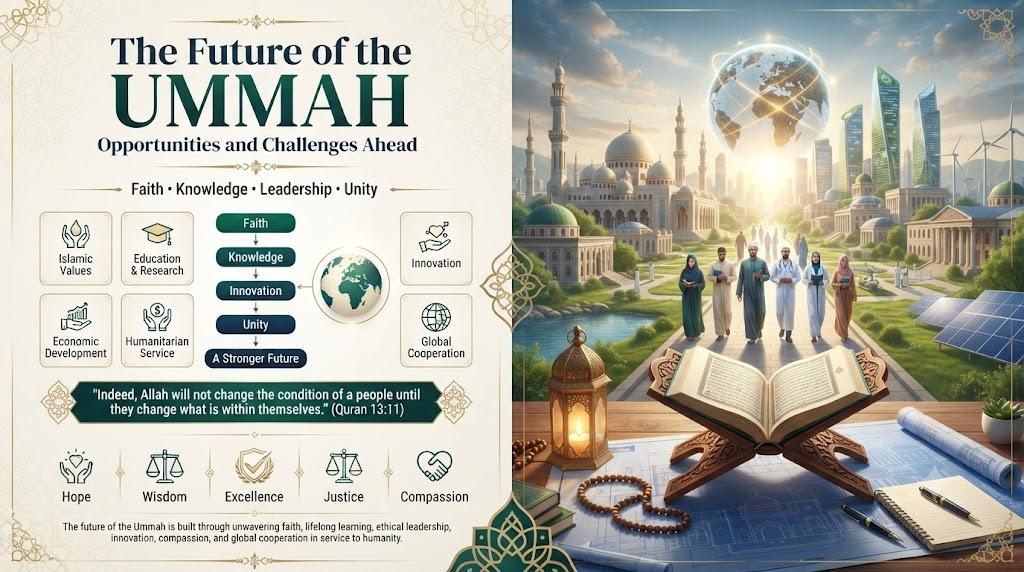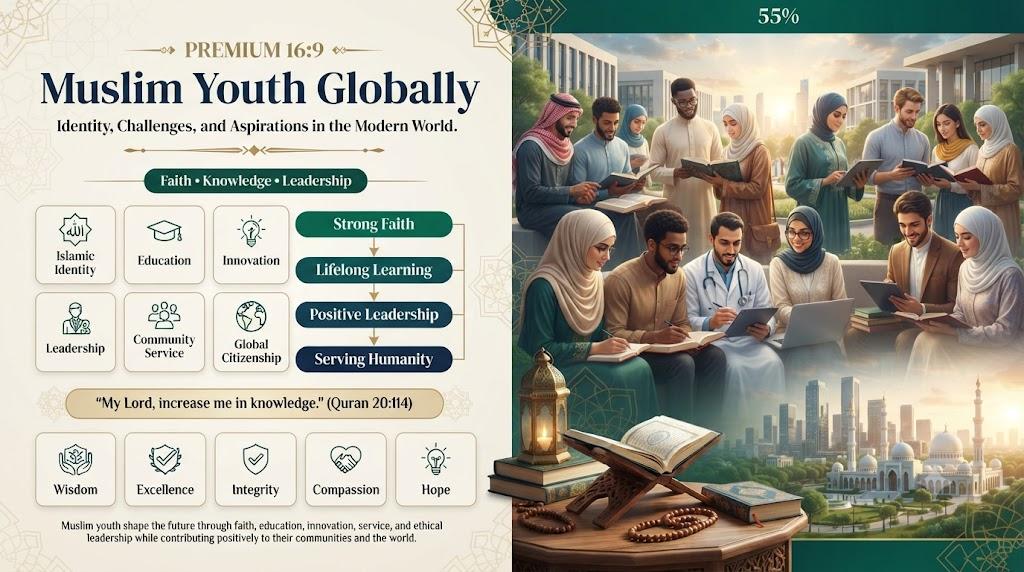
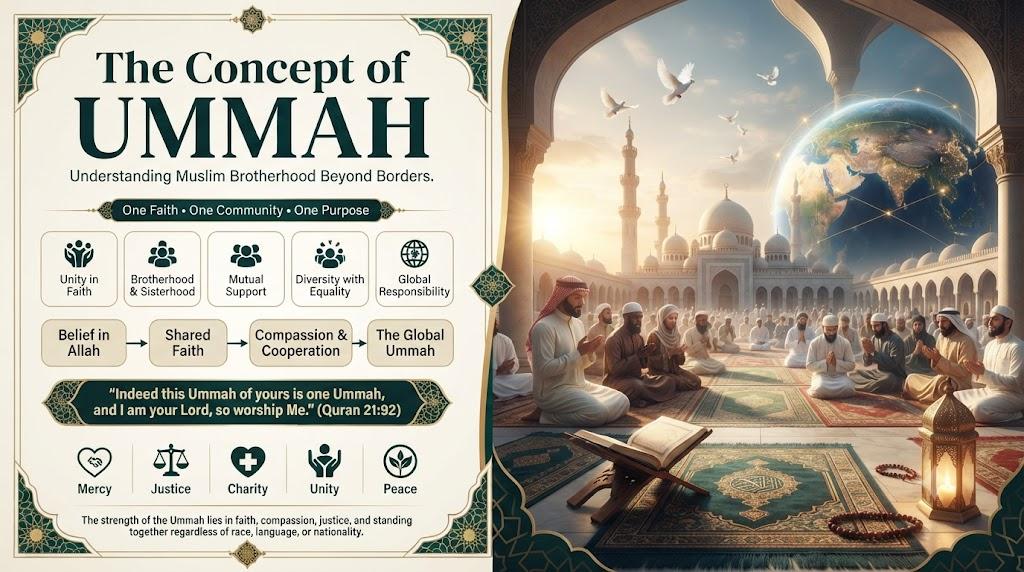
The term “Ummah” represents one of Islam’s most distinctive concepts—a faith community transcending national, ethnic, linguistic, and geographical boundaries. Unlike religious identities tied to specific territories or peoples, the Muslim Ummah encompasses approximately two billion individuals across every continent, united primarily by shared testimony of faith (Shahadah) rather than common ancestry or citizenship. This spiritual nationhood creates unique bonds of responsibility and solidarity that challenge contemporary divisions.
Quranic foundations establish Ummah’s theological basis. Allah describes believers as “best community produced for mankind” (Ali Imran: 110), assigning them role of enjoining good and forbidding evil. The concept appears in context of moderate nationhood—”Thus We have made you a just community” (Baqarah: 143)—positioning Muslims as balanced witnesses to humanity. These verses frame Ummah identity around purpose and responsibility rather than mere belonging.
Prophetic model demonstrated Ummah unity practically. The Constitution of Madinah (Sahifah) established multi-faith polity where Muslim migrants (Muhajirun) and local helpers (Ansar) became brothers through formal pact, sharing resources despite tribal differences. This revolutionary arrangement replaced blood-based loyalty with faith-based solidarity—template for diverse community functioning as unified body.
Historical caliphate periods attempted institutional expression of Ummah unity. While political structures varied and often fell short of ideals, the concept that Muslims share single community leadership persisted for centuries. Even after political fragmentation, scholarly networks maintained connection across vast distances—fatwas issued in Cordoba influenced practice in India; students traveled from Sub-Saharan Africa to study in Arabian peninsula centers.
Modern nation-state system poses significant challenge to Ummah consciousness. Colonial borders divided historically connected populations; competing national interests sometimes create conflicts between fellow Muslims; passport requirements restrict movement that once facilitated pilgrimage and study. Yet despite these pressures, Ummah identity persists—activated powerfully during crises affecting any Muslim population anywhere.
Contemporary manifestations include humanitarian responses when Muslims suffer globally. Palestinian cause generates concern from Indonesia to Morocco; Rohingya persecution mobilizes action across continents; Kashmir situation draws attention from Turkey to Malaysia. This spontaneous empathy reflects operational Ummah consciousness—feeling connection that demands response regardless of geographic distance.
Institutional frameworks attempt channeling this sentiment. Organization of Islamic Cooperation (OIC) represents 57 member states coordinating on political and economic matters. Islamic Development Bank finances projects across member countries. World Muslim League facilitates scholarly exchange. While effectiveness varies, these bodies symbolize ongoing aspiration toward coordinated Ummah action.
Challenges to unity are real and numerous. Sectarian differences (Sunni-Shia divide) sometimes escalate violently; ethnic tensions overlay religious identification in complex ways; economic disparities between wealthy Gulf states and poorer Muslim populations create resentment; political authoritarianism suppresses civil society coordination. Honest assessment acknowledges these fractures while working toward healing.
Individual level practices sustain Ummah bonds. Greeting unknown Muslims with “Assalamu Alaikum” acknowledges relationship; praying for all believers in daily supplications includes global community; supporting Muslim charities with international reach extends help beyond local circles; learning about Muslim communities elsewhere builds knowledge base for empathy. Small actions accumulate into lived unity.
Technology enables unprecedented Ummah connectivity. Social media platforms connect Muslims across borders instantly; online learning makes scholarly resources globally accessible; digital fundraising supports causes worldwide; communication apps maintain relationships impossible previously. These tools, if used wisely, strengthen bonds that distance traditionally weakened.
The ultimate Ummah vision remains eschatological—complete unity before Divine on Day of Judgment when all distinctions except righteousness dissolve. Working toward that ideal in present requires balancing realism about current divisions with commitment to bridging them. Every gesture of inter-Muslim kindness, every act of cross-border solidarity, every effort at reconciliation contributes to approaching prophetic ideal of united community witnessing to truth before all humanity.