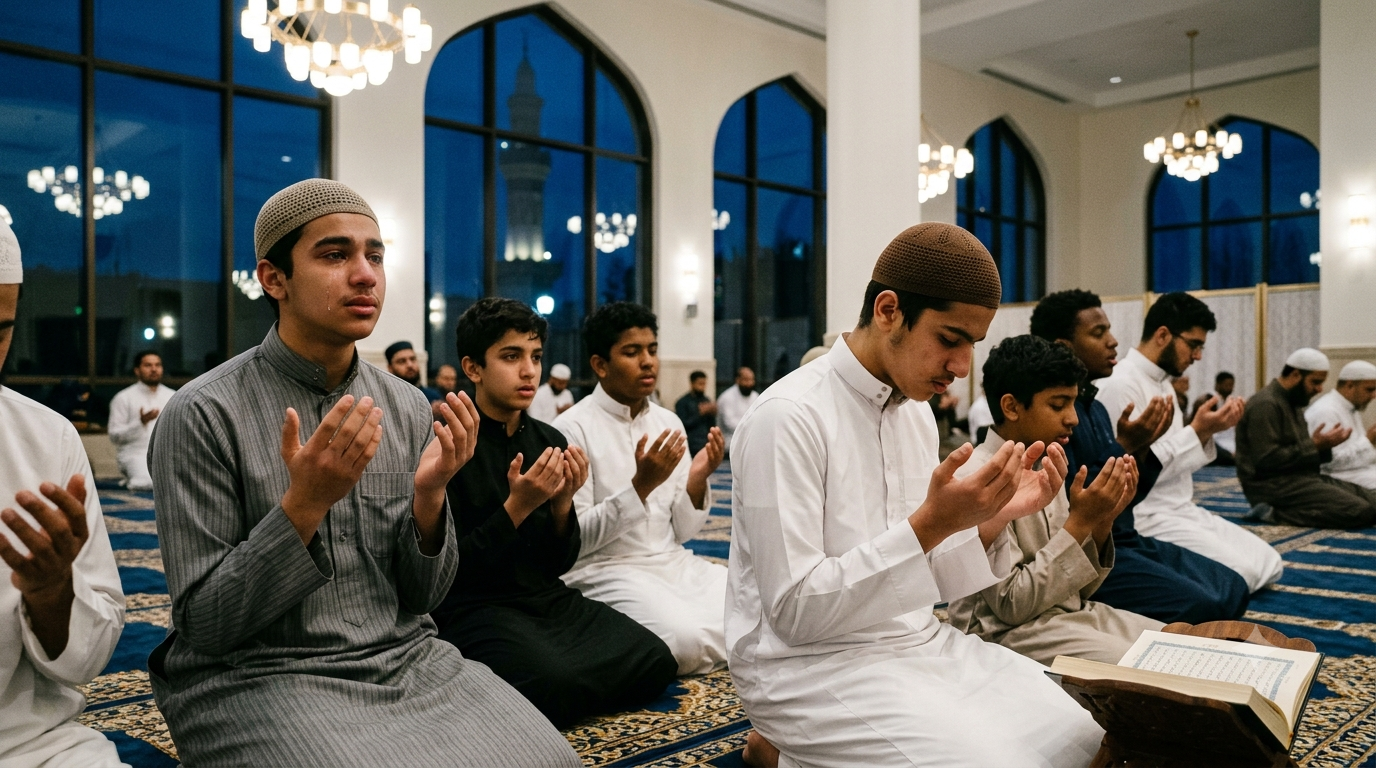
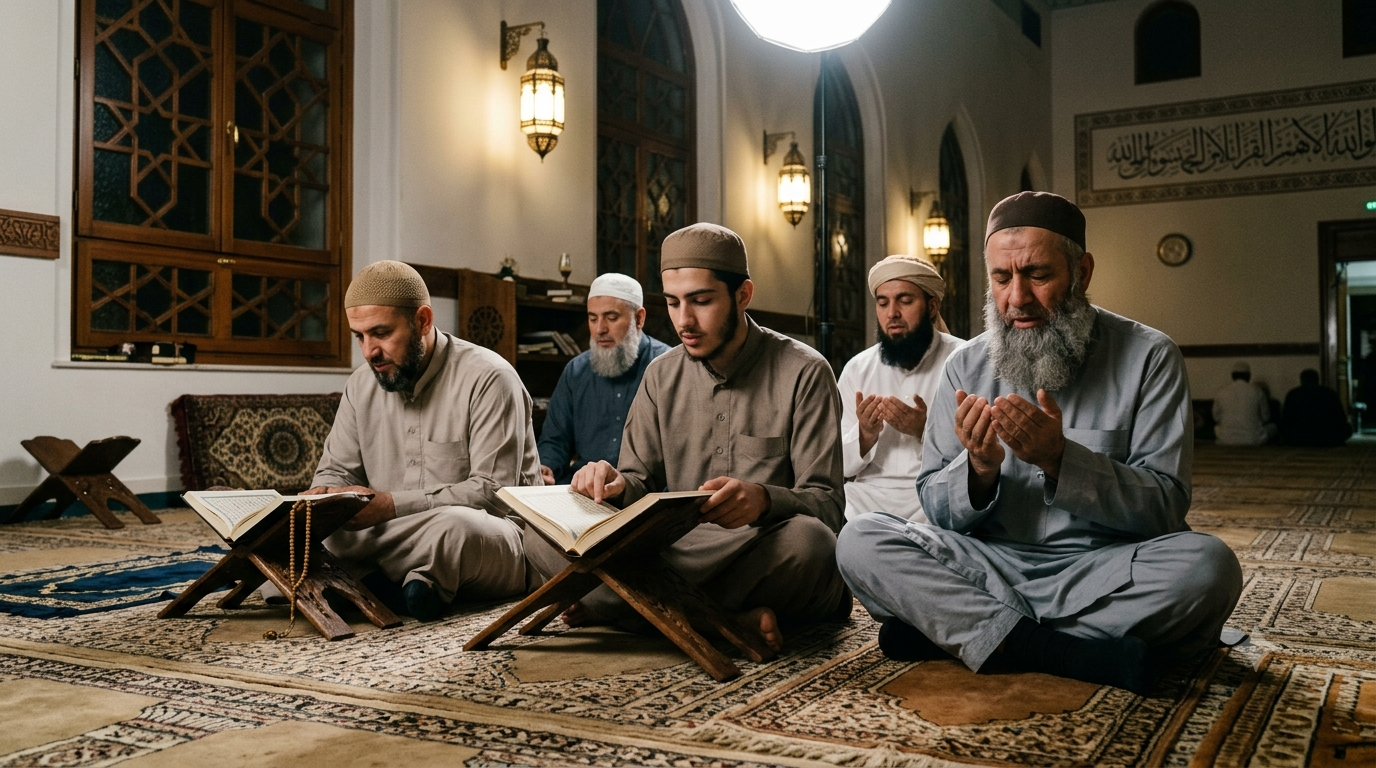
The final ten nights of Ramadan represent spiritual climax of Islamic calendar—period when believers intensify worship seeking Laylat al-Qadr (Night of Power), single night worth more than thousand months of devotion. Understanding how to approach these nights maximally, balancing ambition with sustainability, and internalizing their significance transforms potentially overwhelming period into accessible opportunity for extraordinary connection with Allah. Preparation for last ten nights begins before they arrive. Mentally marking calendar around the 20th of Ramadan creates psychological readiness shift. Adjusting sleep schedule gradually (earlier sleeping during first twenty days) eases transition to nighttime worship pattern. Reducing optional commitments during final decade clears space for intensified devotion. Communicating with family about expectations helps manage household dynamics. Having Quran, prayer mat, dhikr materials, and comfortable worship space ready removes practical obstacles. Theological understanding deepens engagement. Laylat al-Qadr commemorates night when Quran began revelation to Prophet Muhammad (peace be upon him) through Angel Jibril—moment when divine guidance commenced journey changing human history forever. Its exact identity among odd nights (21st, 23rd, 25th, 27th, or 29th) remains deliberately unknown despite various opinions favoring 27th. This uncertainty serves divine wisdom: it encourages seekers to pursue all odd nights rather than concentrating on presumed correct date. Consistent seeking across multiple nights surpasses intense focus on single night while neglecting others. Worship elements for these nights can include multiple practices. Quran recitation features prominently—completing Quran during these nights if not finished earlier, or reviewing favorite passages with deeper reflection. Qiyam al-laym (night prayer) whether individually or collectively forms core practice—longer units than usual, more contemplative pace, perhaps completing one or multiple juz’ within prayer itself. Dua reaches peak intensity—lengthy personal supplication covering all needs, pouring out heart’s deepest desires, asking with certainty of response. Istighfar (seeking forgiveness) acknowledges shortcomings accumulated across year—sincere repentance for known and unknown failures. Dhikr maintains remembrance between formal worship periods—keeping tongue moist with Allah’s mention. Itikaf (seclusion in mosque) for those able represents maximal immersion—even partial itikaf (spending more time at mosque than usual) captures some benefit. Practical logistics enable sustained effort. Physical comfort supports prolonged worship—comfortable clothing, appropriate temperature, seating options for those who cannot stand throughout. Hydration and light nutrition during non-worship hours maintain energy. Strategic rest (short periods between worship blocks) prevents exhaustion that shortens total engagement. Managing responsibilities (work, family) may require temporary reduction or creative scheduling. Phone elimination during worship hours protects focus—notifications destroy concentration built through effort. Family involvement, where possible, multiplies blessing and distributes accountability. Common obstacles deserve anticipation and planning. Energy crash typically hits around second or third night of intensive worship—pushing through initial barrier leads to second wind for remaining nights. Spiritual dryness may affect some nights despite external devotion—continuing regardless of feeling demonstrates sincerity (ibada is action, not emotion). Distraction during prayer and Quran reading challenges everyone—gently returning focus whenever mind wanders, without self-criticism, builds concentration muscle
over time. Social obligations (iftar invitations, family events) may conflict with worship plans—balancing community connection with personal devotion requires wisdom specific to each situation. Specific supplications for Laylat al-Qadr draw from prophetic teaching. The established dua: “;Allahumma innaka ‘afuwwun tuhibbul-‘afwa fa’fu’anni”; (O Allah, You are Forgiving and love forgiveness, so forgive me) merits frequent repetition. Personalized dua should cover major life areas: guidance, provision, family, community, ummah, forgiveness for deceased, protection from trials, steadfastness until death, and ultimately paradise and pleasure of Allah. Writing dua list beforehand prevents mind-going-blank when moment arrives. Crying before Allah—if natural tears come—holds special status; if tears don’t come naturally, trying to feel gravity of supplication still counts. The 27th night phenomenon deserves nuanced treatment. While many believe 27th is definitively Laylat al-Qadr, scholars emphasize uncertainty warranting pursuit of all odd nights. Treating 27th as especially important while not neglecting other nights balances evidence with caution. Some communities hold special programming on 27th—attending while also observing other nights personally captures both collective spirit and individual thoroughness. What if Laylat al-Qadr passes without dramatic spiritual experience? The absence of felt ecstasy does not mean absence of acceptance. Silent, dry, distracted worship may be more accepted than emotionally intense display lacking substance. Allah measures hearts, not theatrical performance. Trust that sincere effort, however imperfectly executed, reaches One who knows intention perfectly. Post-Laylat al-Qadr transition requires attention. Letdown after peak intensity is common—preventing complete drop-off to pre-Ramadan levels preserves gains. Maintaining some increased worship level (even fraction of last-ten-nights intensity) extends blessing into remaining days and beyond. Gratitude for whatever was experienced, whatever was granted, whatever acceptance was achieved—this gratitude itself becomes worship. The ultimate perspective frames these nights within eternal scope. Thousand months exceeds average lifetime—single night’s worship potentially outweighing decades of ordinary practice. This mathematical reality should astound and motivate. Yet even if one seeks diligently and Laylat al-Qadr apparently passes without identification, the seeking itself generates immense reward. Allah’s generosity exceeds our calculation—He may accept efforts we consider inadequate and multiply rewards beyond apparent merit. Approaching these nights with hope (raja’) rather than fear (khawf), with confidence in Allah’s mercy rather than anxiety about own inadequacy, reflects proper relationship between finite servant and infinite Lord. The last ten nights are gift—receive them with open hands and grateful heart.