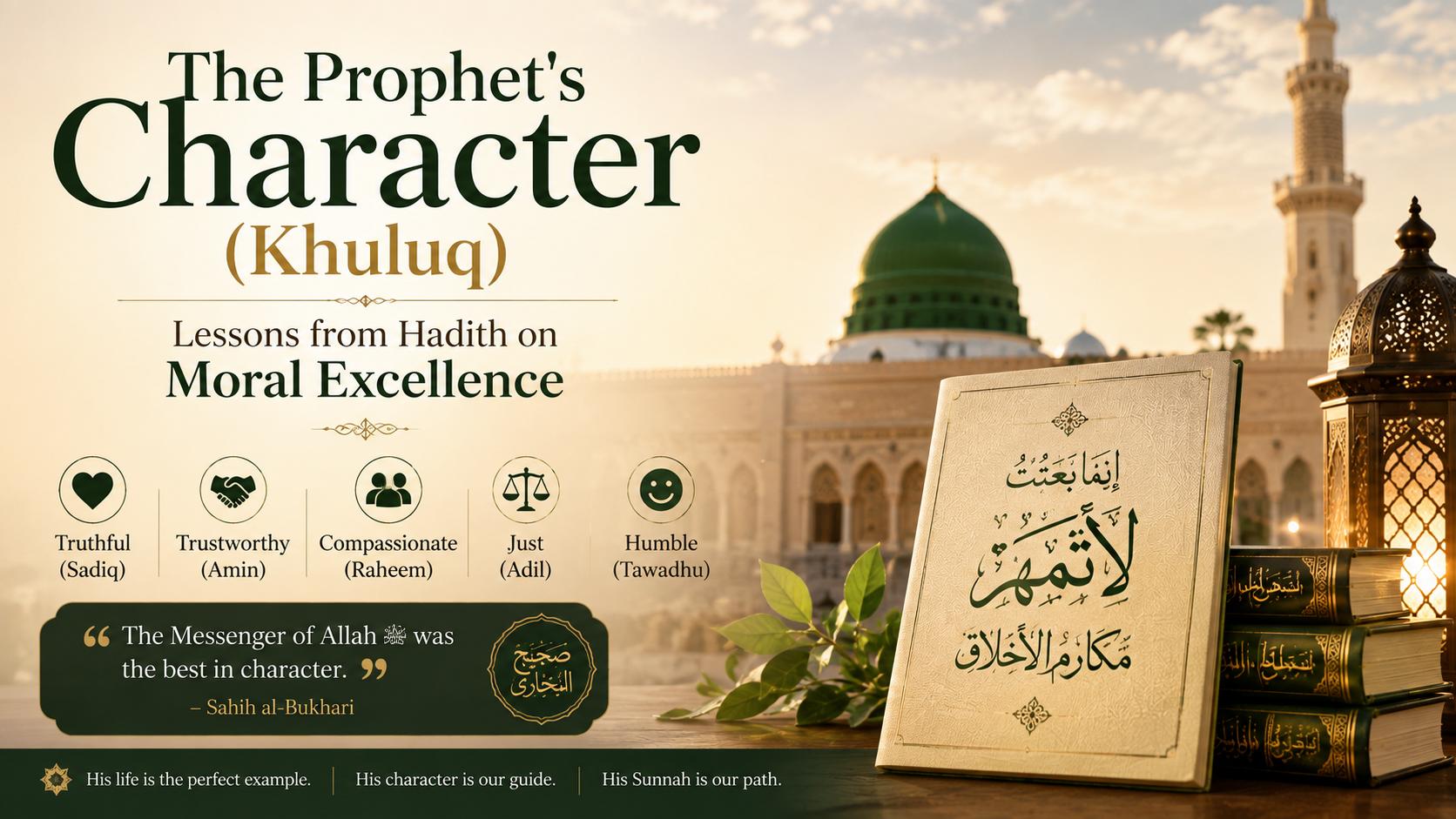
When asked about the Prophet Muhammad’s character, his wife Aisha responded concisely: “His character was the Quran.” This profound statement indicates that Quranic ideals found perfect embodiment in his behavior—he didn’t merely teach righteousness but exemplified it completely. Exploring hadith literature on his moral qualities reveals comprehensive ethical system applicable across cultures and eras, offering blueprint for human excellence that transcends specific historical context.
Truthfulness (sidq) formed the foundation of prophetic character even before revelation began. His pre-Islamic nickname “Al-Amin” (the Trustworthy) reflected community recognition of his absolute honesty—so reliable that people still deposited valuables with him despite rejecting his message. This established credibility proved essential when he later claimed prophethood; opponents could deny his mission but not his integrity. For believers, truthfulness remains non-negotiable virtue underlying all positive traits.
Humility characterized his interactions despite holding highest religious authority. He sat where space permitted (not demanding special seating), accepted invitations from lowest social classes, mended his own clothes, and rode donkeys like ordinary people. When a companion hesitated out of reverence to tell him his garment hem was dragging, the Prophet gently corrected excessive respect that might create barriers between leaders and community members.
Patience (sabr) manifested through years of persecution in Mecca without retaliatory violence, loss of beloved wife and protector in same year (“Year of Sorrow”), rejection by Taif residents who physically abused him, and hypocrisy challenges in Madinah. His response consistently combined steadfastness with forgiveness—never compromising message while maintaining compassion toward opposition. This balance offers model for activists facing resistance today.
Forgiveness capacity reached extraordinary levels. After conquering Mecca without significant bloodshed, he pardoned former torturers including Hind (who had eaten his uncle Hamza’s liver). When enemies sought refuge, he granted protection immediately. The famous prayer at Taif—asking Allah to guide future generations there rather than curse current abusers—reveals preference for transformation over retribution even against severe mistreatment.
Justice administration treated all equally regardless of social status. A prominent woman from Quraysh tribe faced theft punishment identical to what poor person would receive. His statement that earlier nations perished because they punished weak criminals while letting powerful ones escape underscores principle that law must apply universally. This stance cost him politically but maintained divine standard.
Compassion extended to all creatures, not just humans. He prohibited cutting animal tails, branding faces, or targeting living targets for sport. Stories describe him rescuing bird chicks whose mother circled anxiously, adjusting blanket to avoid disturbing sleeping cat, and commanding kind treatment even for animals destined for slaughter. This comprehensive mercy reflects divine attribute “Most Merciful” manifesting through chosen servant.
Emotional intelligence appears in numerous hadiths showing situational awareness. He recognized when companions needed encouragement versus challenge, adjusted speech complexity for audiences, noticed unspoken distress, and celebrated others’ successes genuinely. His emotional presence—fully attentive, appropriately responsive, neither suppressing nor indulging feelings—models balanced emotional health.
Anger management techniques he demonstrated remain practically useful. When upset, he would change posture (sit if standing, lie down if sitting), perform ablution cooling physically and spiritually, or remain silent until intensity passed. He explicitly forbade hitting faces or using abusive language even when justifiably angry. These strategies acknowledge anger’s legitimacy while providing channels for healthy expression.
Generosity knew no bounds—particularly during Ramadan when he gave most freely. He never refused requests when able to fulfill them, preferred giving over keeping, and instructed that even small regular charity outweighs occasional large donations. His lifestyle remained simple despite controlling substantial community resources, demonstrating that generosity flows from attitude, not abundance.
Developing prophetic character requires conscious effort supported by sincere intention. Regular self-examination against his standards, seeking forgiveness for shortcomings, and persistently striving toward improvement marks the path. Perfection belongs only to Allah, but direction toward His Messenger’s example earns divine pleasure and community benefit.