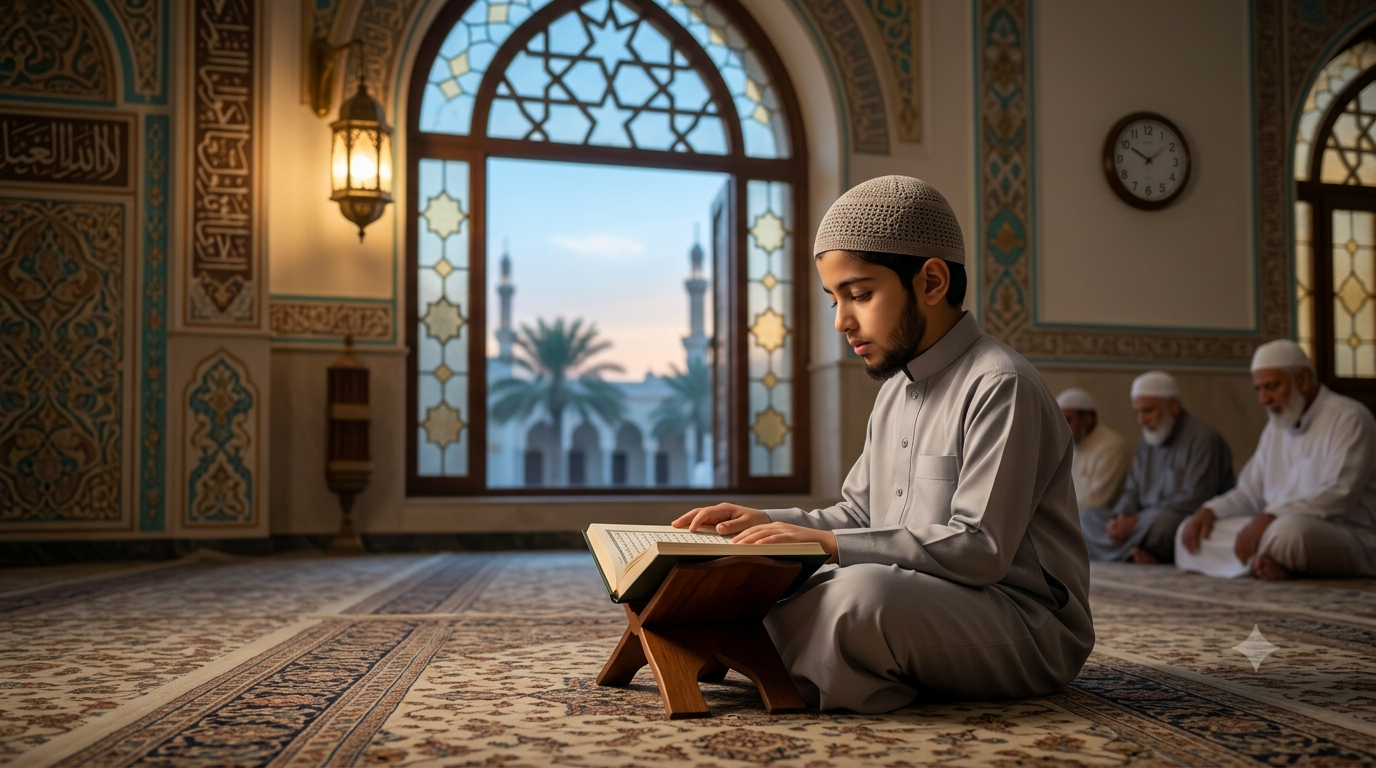
Ramadan represents far more than annual fasting obligation—it constitutes comprehensive spiritual intensive, communal transformation experience, and divine gift offering believers opportunity for profound renewal. The month’s blessings extend across multiple dimensions: physical discipline through fasting, spiritual intensification through prayer and Quran engagement, moral refinement through conscious effort toward better character, social solidarity through shared experience, and eternal reward multiplication during this blessed period. Understanding Ramadan’s full significance transforms approach from endurance exercise to embrace of extraordinary opportunity. The Quranic foundation establishes Ramadan’s unique status. “;The month of Ramadan is that in which the Quran was revealed, guidance for people and clear proofs of guidance and criterion”; (2:185). This verse connects fasting month to revelation moment—linking physical abstention to divine communication received by Prophet Muhammad (peace be upon him). Fasting itself is prescribed “;upon you”; as religious obligation previously binding on earlier communities, placing Muslims in continuity with prophetic tradition stretching back through history. The purpose clause—”;that you may become righteous”;—indicates that fasting serves goal beyond itself; self-discipline aims at character transformation. Laylat al-Qadr (Night of Power) represents Ramadan’s spiritual apex. This single night, falling among last ten odd nights of Ramadan, carries worship value exceeding thousand months (more than eighty years). Praying throughout these blessed hours, seeking forgiveness, reading Quran, making sincere dua—these acts generate rewards beyond calculation. The precise night’s identity is deliberately uncertain, encouraging intensified devotion throughout final decade rather than concentrated effort on single known date. This uncertainty teaches that seeking itself holds value; consistent effort across multiple nights surpasses intense focus on one night while neglecting others. Gates of mercy open specifically during Ramadan according to numerous authentic hadiths. Paradise doors open, Hellfire doors close, devils are chained. These metaphors (whether understood literally or symbolically) indicate environment particularly conducive to spiritual progress. Resistance to sin weakens; inclination toward good strengthens. Even those who struggle spiritually throughout year often find Ramadan enables breakthrough—establishing practices, breaking habits, achieving clarity that persists beyond month’s end. The pre-dawn meal (suhoor) and breaking fast (iftar) frame each fasting day with blessing. Suhoor provides physical sustenance enabling day-long fasting while carrying barakah (blessing) making it worth taking despite early hour or inconvenience. Iftar satisfies
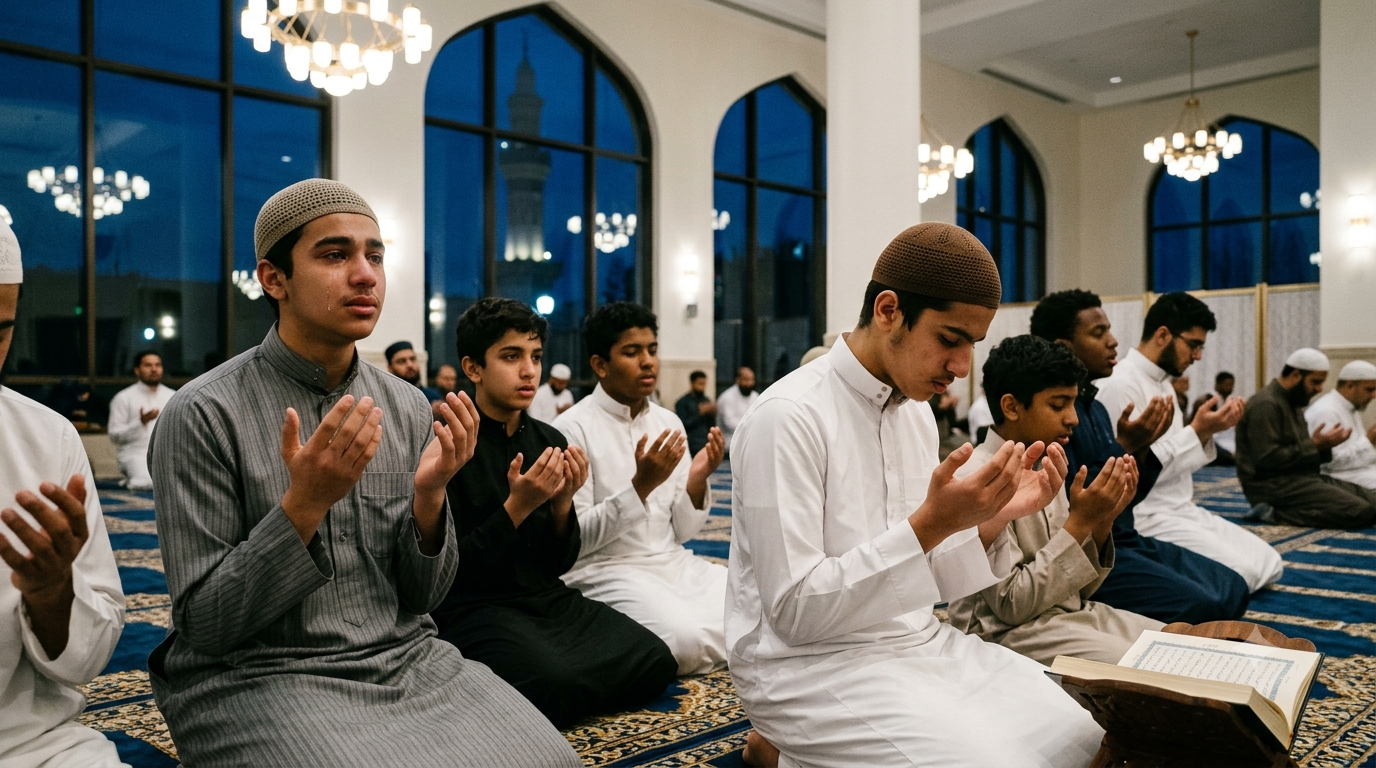
hunger and thirst while generating particular joy in fulfilling divine command. The moments before maghrib—anticipation mixed with fatigue, patience tested near its limit—represent spiritually potent time when supplications are especially likely to be answered. Community dimension of Ramadan cannot be overstated. Entire Ummah (global Muslim community) fasts together—synchronizing biological rhythms across time zones, creating shared experience transcending geographical, cultural, linguistic, and political divisions. Mosques fill for taraweeh prayers that might otherwise stand empty. Families gather around iftar tables in ways busy schedules rarely allow otherwise. Generosity increases as Muslims experience hunger’s discomfort and remember those for whom such discomfort is constant rather than chosen. This communal aspect transforms potentially individualistic spiritual practice into collective witness. Taraweeh prayers offer unique nightly ritual specific to Ramadan. Following isha prayer, congregations typically pray additional units (usually 8 or 20, depending on tradition) listening to lengthy Quran recitation. Over course of month, many mosques complete entire Quran during taraweeh—exposing worshippers to complete revelation in concentrated form. Standing in quiet rows, listening to divine words, moving in unified prostration—this experience shapes Ramadan nights distinctively. Those who attend regularly often describe taraweeh as highlight of their spiritual year. Itikaf (spiritual retreat) during Ramadan’s final ten days represents intensive practice for those able to undertake it. Remaining in mosque for extended periods, minimizing worldly engagement, maximizing worship—itikaf creates protected space for undistracted devotion. Even modified versions (spending more time at mosque without full seclusion) capture some benefits. The practice models what focused spiritual life might look like, potentially establishing patterns continuing after Ramadan concludes. Emotional journey of Ramadan deserves acknowledgment. Early days bring enthusiasm mixed with adjustment challenge. Middle period may involve fatigue, routine settling, perhaps motivation dip. Final days (especially last ten) intensify again as Laylat al-Qadr search peaks and month’s end approaches with mixture of sadness and accomplishment. Post-Ramadan brings relief, potential letdown, and question of how to preserve gains made during blessed month. Recognizing this emotional arc helps navigate it wisely rather than being surprised by difficulty or complacency. The ultimate purpose points beyond temporary experience toward permanent change. Ramadan functions as annual reset button—opportunity to establish or reestablish practices, break harmful habits, strengthen weakened commitments, deepen relationships with Allah through increased interaction. The goal is not perfect Ramadan but transformative Ramadan—one leaving believer closer to Creator than before, better version of self, more prepared for year ahead until next Ramadan arrives with its renewed opportunities. Every moment of this blessed month carries potential for eternal benefit; wisdom lies in recognizing and realizing that potential to fullest extent possible.