Motherhood holds exalted position in Islamic tradition, with maternal rights receiving perhaps the strongest emphasis of any human relationship category. The Prophet Muhammad repeatedly emphasized mothers’ special status, establishing cultural norms placing mothers at center of family respect and care. Understanding this elevation helps Muslims prioritize appropriately while providing model for societies sometimes devaluing caregiving work.
The foundational hadith about mother’s rank comes from a man asking whom he should honor most after Allah and Messenger. The Prophet replied “Your mother,” three times consecutively, before finally saying “your father” on fourth inquiry. This triple emphasis isn’t mere rhetorical device but indicates mother’s superior right due to pregnancy, childbirth, nursing, and upbringing burdens predominantly borne by women. The physical, emotional, and investment asymmetry justifies preferential treatment.
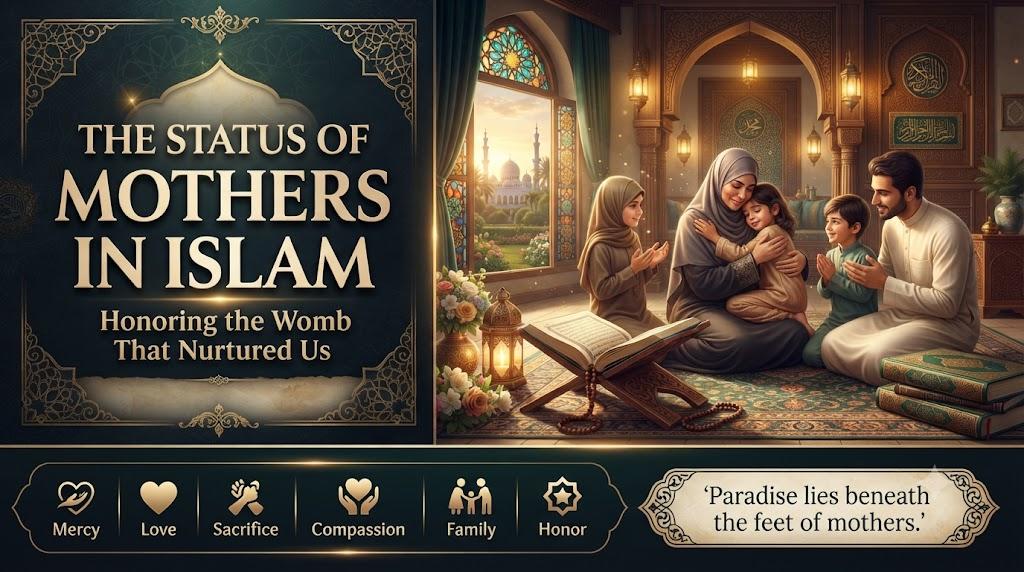
Paradise lies at mother’s feet, according to authenticated narration. This powerful imagery suggests that serving one’s mother sincerely opens doors to divine reward otherwise difficult to access. The statement doesn’t mean mothers control salvation but that honoring them creates spiritual merit leading toward success. It also elevates service to mothers from mundane duty to worship-like act carrying extraordinary weight.
Heavenly reward for prolonged mother-care appears in hadith about man who sought permission for jihad while caring for elderly mother. The Prophet instructed him to stay with her, “for Paradise is beneath her feet.” Military service, normally highly valued, takes secondary place to filial duty when mother needs direct care. This prioritization guides Muslims facing competing obligations—mother’s rights generally supersede voluntary good deeds.
Mothers’ unique knowledge about children earns specific respect. They carry offspring for nine months, experiencing intimate connection preceding any other relationship. Nursing creates physiological bonding through oxytocin release. Early childhood dependency establishes patterns of care and sacrifice that fathers, however loving, typically don’t match in intensity. Islamic acknowledgment of this reality validates maternal experience while assigning appropriate honor.
Serving aging mothers presents contemporary challenge as longevity increases and diaspora separates families. Adult children balancing careers across continents from elderly mothers must find creative solutions: regular communication technology enabling emotional presence despite distance; financial support hiring quality local care; visit scheduling maximizing contact time; immigration possibilities bringing parents closer; and acceptance that perfect fulfillment may prove impossible while sincere effort counts.
Mother-in-law relationships receive Islamic guidance often overlooked. Mothers-in-law hold no automatic rights comparable to biological mothers, but courtesy and kindness are mandated generally toward elders. Healthy boundaries prevent exploitation while maintaining respect. The famous hadith about son-in-law helping mother-in-law illustrates optional virtue exceeding requirement—modeling generosity without creating new obligation category.
Mothers who lost children (through miscarriage, stillbirth, or early death) deserve particular compassion. The Prophet comforted grieving mothers, promising reunion in paradise and indicating status of those who endure loss patiently. Societies sometimes stigmatize childless women or minimize grief over pregnancy loss; Islamic perspective acknowledges pain while offering hope transcending earthly separation.
Single mothers face challenges Islam addresses through community support mechanisms. Zakah categories include those in need; extended family bears responsibility when nuclear family can’t cope; community welfare functions fill gaps. While two-parent family represents ideal, single mothers aren’t abandoned to fate—their children remain community responsibility, and mothers themselves retain full dignity and rights.
Spiritual dimensions of motherhood extend beyond physical bearing. Adoptive mothers, foster mothers, stepmothers, and mother-figures who nurture children earn similar respect through love and care invested. The Prophet’s relationship with Halima (his wet nurse) demonstrated lifelong affection for non-biological maternal figures. This expansive view includes all women fulfilling mothering roles regardless of biological connection.
Expressing gratitude to living mothers shouldn’t wait for special occasions. Regular calls, visits, gifts, listening sessions, and service acts accumulate into pattern of honor. For deceased mothers, continued supplication, charity in their name, maintaining kinship ties they valued, and fulfilling their unfulfilled promises provide ongoing connection. Death ends physical relationship but not opportunities for benefit.
The ultimate model remains the Prophet’s own conduct toward mothers—biological (Aminah, who died during his childhood), foster (Halima), and symbolic (his wives as mothers of believers). His tenderness, respect, and care even for mothers who couldn’t raise him personally demonstrates comprehensive maternal honor extending across all circumstances.