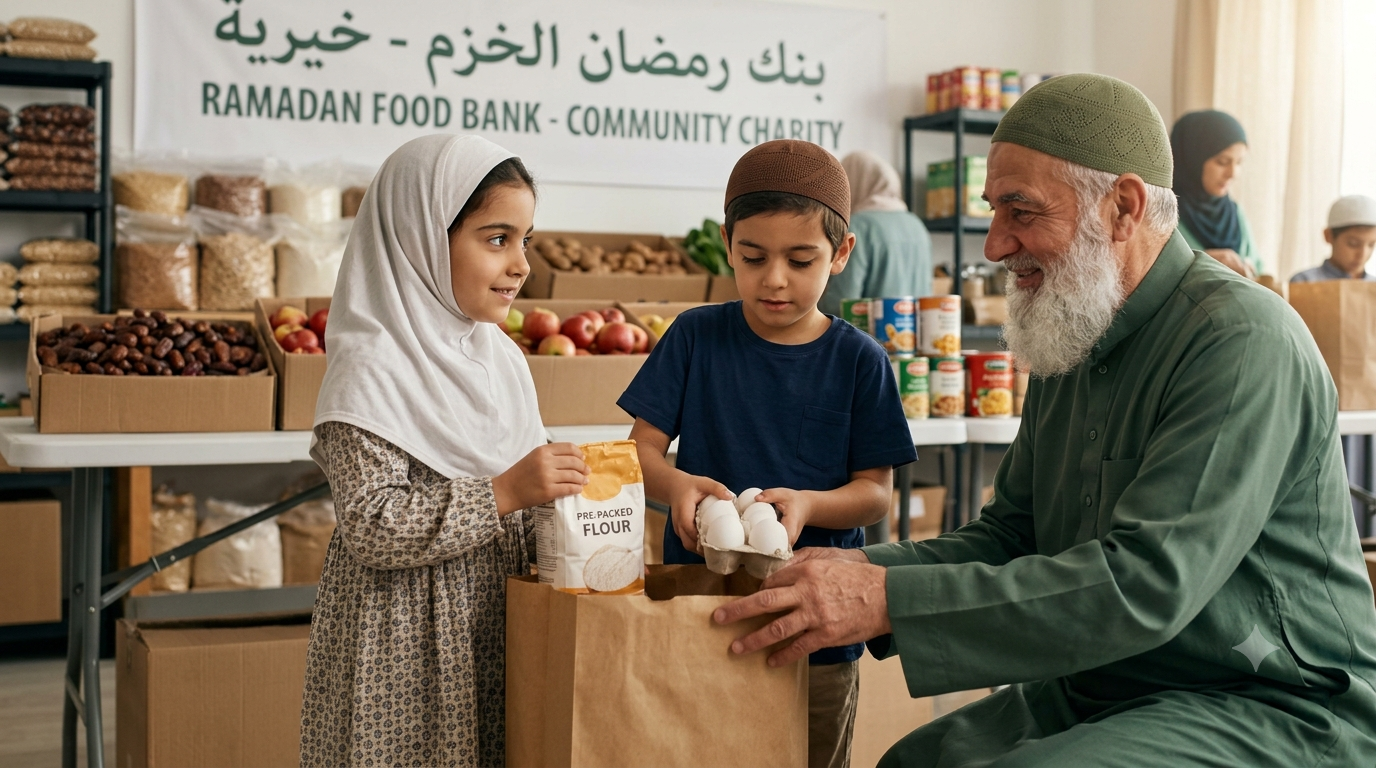
Ramadan represents peak season for charitable giving in Islamic tradition—and for good reason. Every righteous deed carries multiplied reward during this blessed month; charity additionally earns reward comparable to normal giving (hadith specifies reward as “;multiplied seven hundred times”; for certain Ramadan charities besides normal reward structure). Beyond reward calculation, Ramadan’s physical experience of hunger generates empathy for those who experience hunger involuntarily—motivating generous response to human need. Understanding how to give effectively during Ramadan maximizes benefit for recipients and givers alike. Zakat obligations intersect with Ramadan timing for many Muslims. Zakat al-mal (wealth zakat) becoming due during Ramadan offers opportunity to discharge obligation during blessed period—combining obligatory giving with voluntary charity’s seasonal multiplication. Calculating zakat accurately requires assessing all zakatable assets (cash, gold, silver, investments, inventory, receivables) against nisab threshold and lunar year holding period. Many mosques offer zakat calculation assistance; online calculators simplify process. Discharging zakat promptly when due is obligatory—holding back deprives eligible recipients of their Quranic right. Zakat al-fitr (fitrana) represents specific Ramadan charity. This small obligatory payment (typically equivalent of staple food’s cost per family member) must be given before Eid prayer to be acceptable. It purifies the faster from any indecent speech committed during fasting and feeds poor on Eid day. Calculating based on local food costs rather than minimal amounts ensures meaningful contribution. Distributing early allows recipients to purchase Eid needs in time. Giving personally (hand-to-hand) adds relational dimension absent from electronic transfers. Voluntary charity (sadaqa) during Ramadan takes many forms. Financial donations to reputable organizations reach beneficiaries efficiently—researching organizations’ efficiency, transparency, and alignment with Islamic principles ensures effective deployment. Direct assistance to known needy individuals creates personal connection and certainty of delivery. Feeding fasting people (ifcar) carries specific prophetic emphasis—whoever provides iftar for fasting person earns reward of fasting without diminishing faster’s reward. Hosting iftar for others (even simple fare) fulfills this prophetic recommendation. Food drives, grocery distribution, hot meal programs address food insecurity directly during month when awareness peaks. Non-financial charity complements monetary giving. Time donation—volunteering at food banks, soup kitchens, Islamic centers, community organizations—contributes valuable labor. Skill-based volunteering (legal services, medical care, accounting, IT support) leverages professional expertise for community benefit. Emotional support—visiting sick, comforting grieving, accompanying lonely—costs nothing except time and attention yet addresses profound human needs. Kindness in daily interactions—smile, gentle word, patience with difficult people—qualifies as sadaqa according to prophetic teaching. These non-monetary forms make charity accessible regardless of financial situation. Targeting categories specified in Quran (9:60) ensures zakat reaches intended recipients: the poor (fuqara), the needy (masakin), those employed to collect zakat, those whose hearts are to be reconciled (new Muslims or those inclined toward Islam), freeing captives/slaves, those in debt, in Allah’s cause, and the traveler in need. Contemporary application requires scholarly guidance for some categories but general principle remains: zakat serves specific populations, not general institutional funding. Voluntary charity has wider permissible range but prioritizing the neediest maximizes impact. Local vs. international giving balance deserves consideration. Local communities have visible needy populations—neighbors, mosque members, regional residents. International crises (famine, conflict, displacement) affect millions of Muslims requiring urgent assistance. Both directions have merit; proportional allocation (majority local, portion international) captures benefits of each. Ramadan’s heightened awareness of global Ummah often inclines toward international causes—appropriate provided local
needs aren’t neglected. Corporate matching programs multiply charitable impact. Many employers match employee donations to qualifying nonprofits—effectively doubling giving at no additional cost to donor. Checking employer’s matching gift program before donating during Ramadan can significantly increase impact. Some companies also offer volunteer grants (monetary donation for hours volunteered)—another multiplier for time-based charity. Teaching children about charity during Ramadan establishes lifelong patterns. Involving kids in selecting charities, physically handing over donations, discussing why Muslims give, calculating zakat together (age-appropriate math lesson plus religious education), and visiting organizations that receive donations all build generous orientation from early age. Children’s own money (eid gifts, allowance) spent charitably during Ramadan plants seeds for adult giving habits. Avoiding common pitfalls protects charitable integrity. Giving to appear generous rather than from sincere intention (riya’) corrupts otherwise good deeds. Giving grudgingly or reminding recipients of favors given violates Islamic manners. Giving beyond means (leading to personal dependency on charity later) contradicts wisdom. Giving without verifying recipient legitimacy risks supporting fraud or ineffective programs. Giving only during Ramadan while ignoring need rest of year reflects seasonal rather than genuine concern—though Ramadan-initiated giving patterns sometimes extend year-round. Technology-enabled giving has transformed charity landscape. Online platforms enable instant donations globally. Recurring donation options automate continuous giving. Crowdfunding addresses specific urgent needs transparently. Zakat-specific apps calculate and distribute efficiently. Cryptocurrency donations have emerged for tech-savvy givers. These tools increase convenience and reach—but due diligence on platform legitimacy, fee structures, and actual distribution remains essential. The spiritual dimension elevates charity beyond transaction. Intention (niyyah) transforms financial transfer into worship—seeking Allah’s pleasure through serving His creation. Humility before Allah as ultimate Owner of all wealth acknowledges that giving merely returns portion of what He entrusted. Gratitude for ability to give (many wish to give but cannot) precedes gratitude from recipients. Hope for reward (without demanding or expecting specific return) motivates generosity while trusting outcome to All-Knowing Judge. Charity’s effect on giver’s heart—softening attachment to wealth, increasing sympathy for needy, recognizing material things’ relative unimportance—may prove more valuable than effect on recipient. Ramadan’s charity climax occurs in its final days—especially on Laylat al-Qadr night when giving compounds with night’s already-extraordinary blessing. Planning major charitable decisions for this period captures maximum multiplication. Yet withholding needed aid waiting for optimal timing would contradict charity’s urgency imperative. Balance again: intentionality without manipulation, planning without delay. The ultimate vision sees charity not as loss but as investment—”;whoever loans Allah a beautiful loan, He will multiply it for him many times over”; (2:245). Ramadan offers premium interest rate on this divine investment—wise believers maximize their position during this limited-time offering.