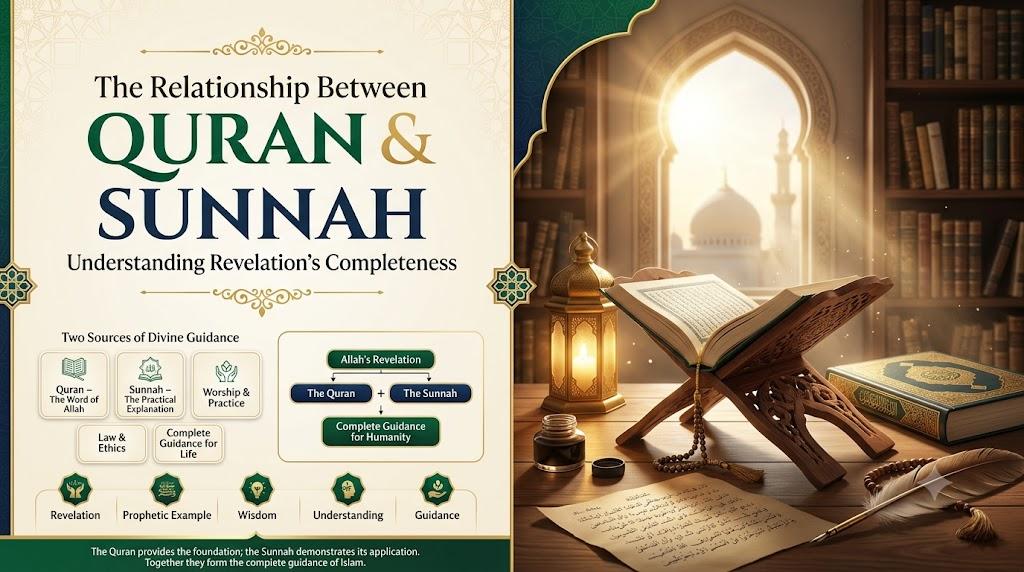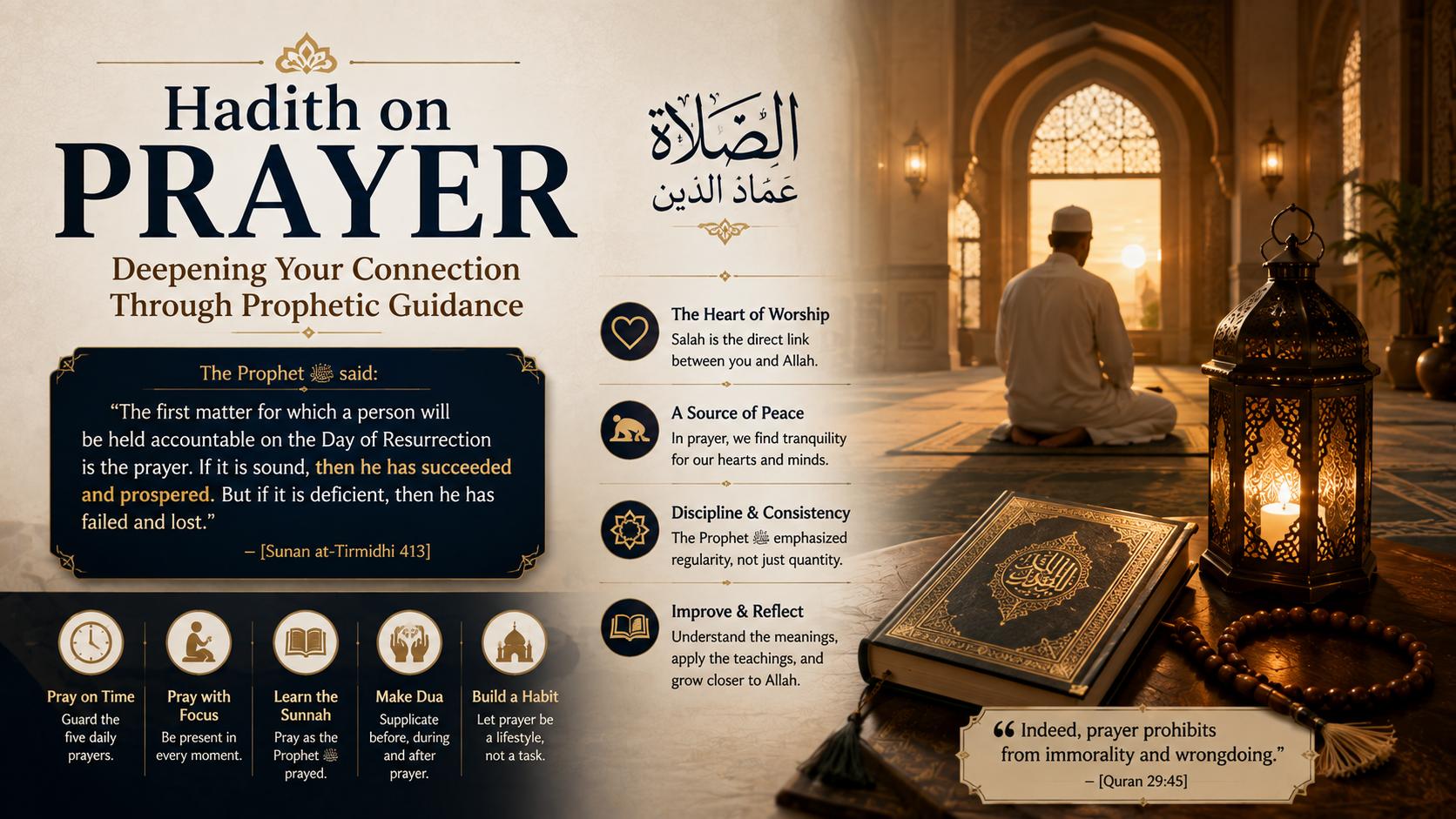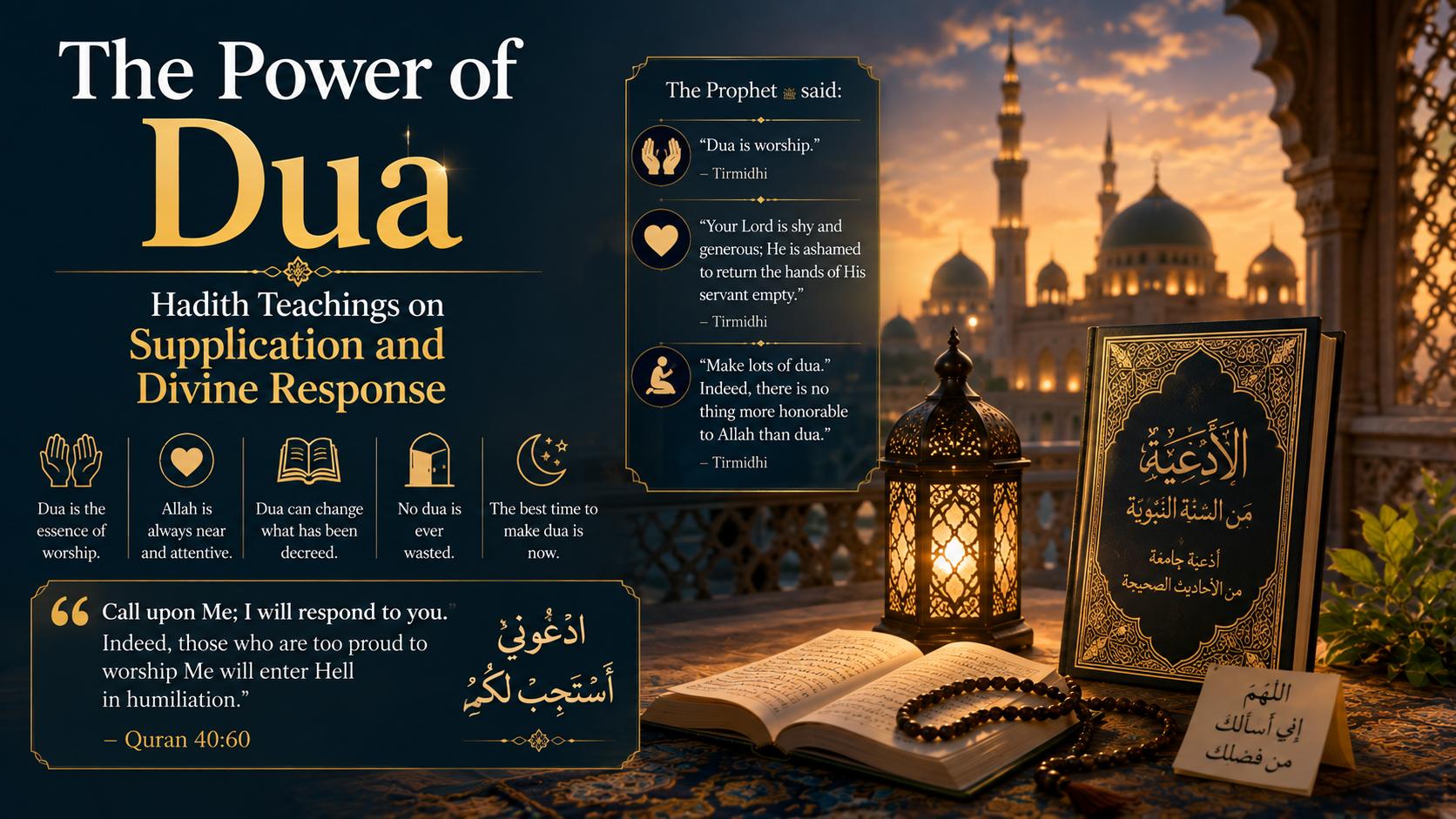
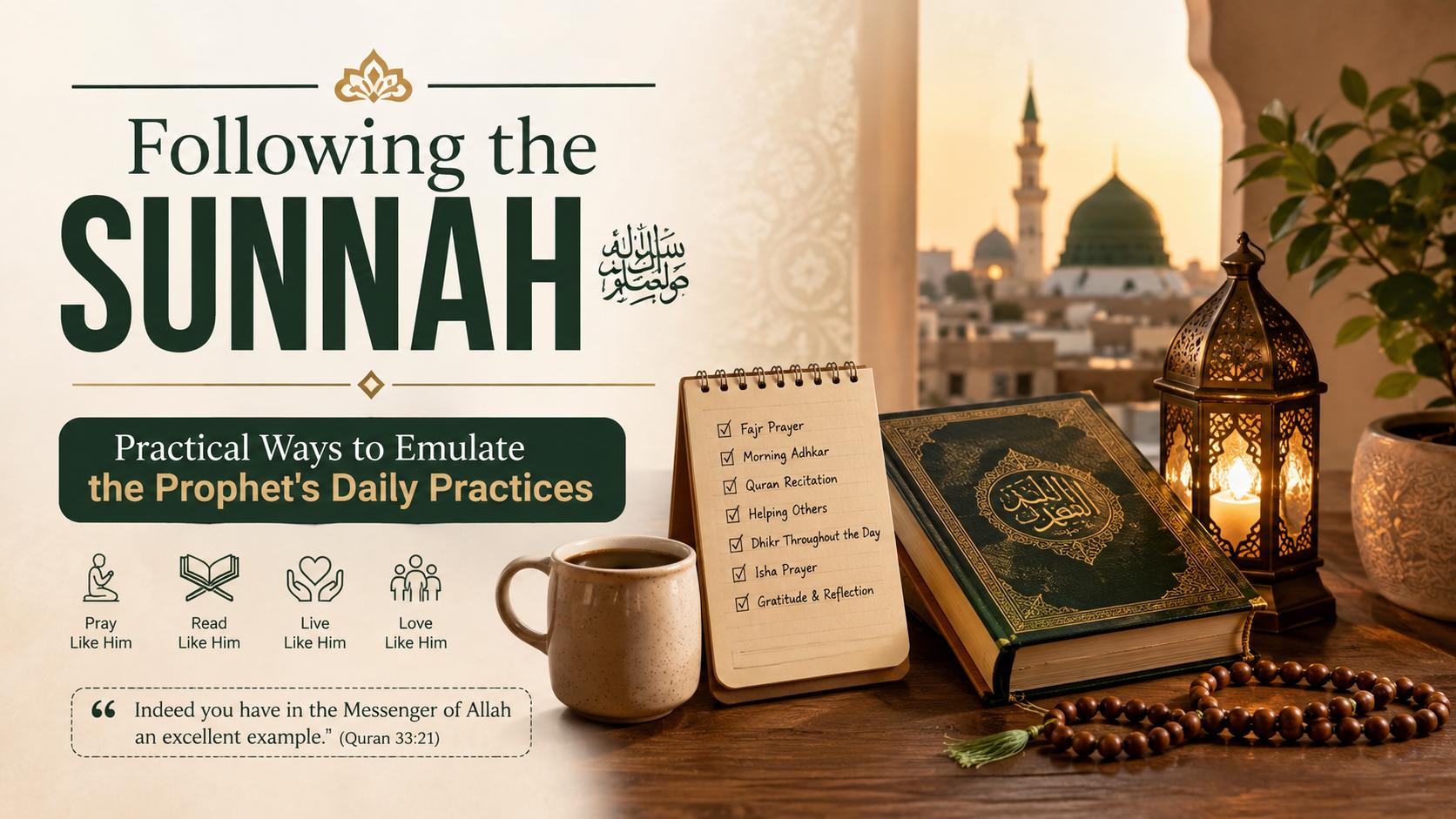
The Sunnah encompasses the Prophet Muhammad’s words, actions, approvals, and characteristics—providing comprehensive template for righteous living beyond Quranic obligations. While the Quran establishes fundamental requirements, the Sunnah details implementation: how to perform prayers precisely, which supplications to recite at various occasions, how to eat, sleep, interact with family, conduct business, and approach every life dimension with prophetic excellence. Integrating Sunnah practices transforms routine existence into continuous worship.
Morning routines offer rich opportunities for Sunnah implementation. Upon awakening, the Prophet would rub his eyes, recite morning supplications thanking Allah for returning his soul, and clean his teeth with miswak (natural toothbrush). This simple sequence prepares both body and spirit for new day, acknowledging divine blessing in mere continuation of life. The miswak practice, scientifically validated for oral health benefits, exemplifies how Sunnah often combines spiritual and practical wisdom.
Mealtime etiquette reveals another Sunnah domain. The Prophet ate with his right hand, washed before eating, mentioned Allah’s name before starting, and praised Him afterward. He advised eating from what is nearest (rather than picking from plate center), consuming moderately (filling stomach one-third food, one-third water, one-third air), and not criticizing food presented. These guidelines transform eating from mere biological necessity into mindful gratitude expression.
Speech conduct receives detailed prophetic attention. The Prophet spoke clearly, repeated important points three times for comprehension, chose appropriate times for discussion, and maintained pleasant countenance even when disagreeing. His humor existed but never involved lying or hurtful mockery. Silence often dominated his gatherings—he spoke when beneficial, listened attentively otherwise, modeling measured communication many modern communicators would benefit from emulating.
Sleep habits demonstrate balance between worldly preparation and spiritual trust. The Prophet slept early after Isha prayer, avoided staying awake unnecessarily into night, and performed witr before resting. He slept on his right side, placing right hand under cheek, facing qibla direction. Upon restless midnight awakening, he would perform tahajjud voluntary prayer. This pattern honors body needs while maximizing worship opportunities.
Interpersonal relationships show particular Sunnah richness. With children, the Prophet played affectionately, carried them during prayer, and kissed them openly. With servants, he ate together, addressed their concerns, and never treated them as inferior beings. With spouses, he helped with household tasks, expressed love verbally, and sought their opinions seriously. These behaviors counter cultural tendencies toward harshness or neglect in various relationship categories.
Business dealings under Sunnah emphasize honesty above profit maximization. The Prophet explicitly condemned deception, hiding defects, false oaths, and exploitation—even when legally permissible. Transactions should conclude with clarity, leaving no ambiguity that might cause later dispute. Buyers and sellers retain exit rights until separation, preventing buyer’s remorse complications.
Environmental consciousness appears in multiple Sunnah practices. Water conservation during ablution, planting trees even knowing others might benefit, protecting water sources from pollution, and treating animals gently—all reflect stewardship ethic increasingly relevant amid ecological crisis. The Prophet specifically prohibited wasting water even at flowing river, teaching that abundance doesn’t justify extravagance.
Beginning Sunnah adoption requires realistic assessment rather than overwhelming commitment. Selecting few practices to integrate initially allows sustainable habit formation. As these become automatic, additional Sunnahs can layer gradually. The goal isn’t perfection overnight but consistent progress toward prophetic example.
Community reinforcement strengthens individual practice. Families adopting Sunnah routines together create supportive environments. Friends sharing intentions increase accountability. Mosques offering practical Sunnah workshops provide structured learning opportunities. Collective effort multiplies benefits available through isolated attempts.
Every Sunnah practiced connects believer with blessed prophetic lineage stretching back fourteen centuries. These aren’t arbitrary rituals but time-tested pathways to barakah (divine blessing) in everyday affairs. The Prophet promised that whoever revives his Sunnah will receive reward equal to all who subsequently follow that practice—motivation reflecting how deeply he desired his community’s success.