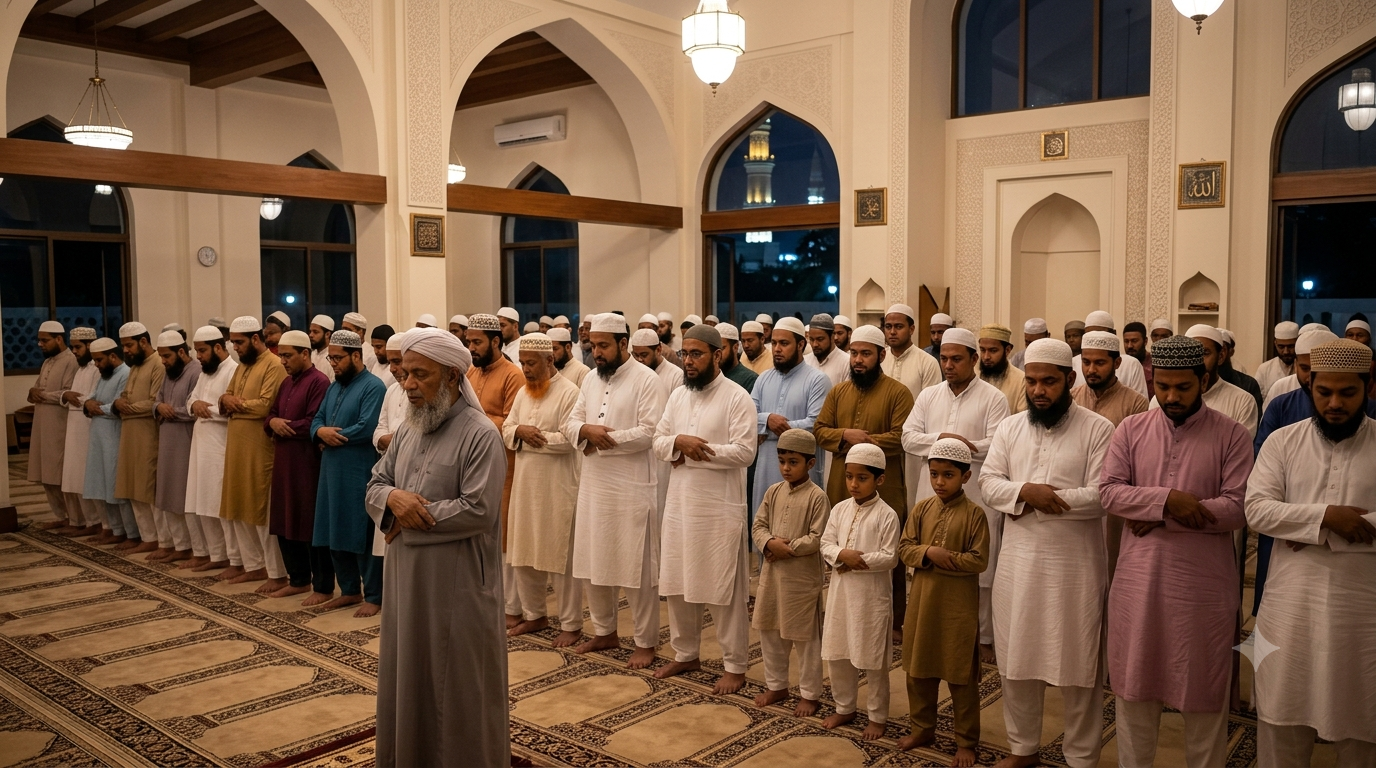
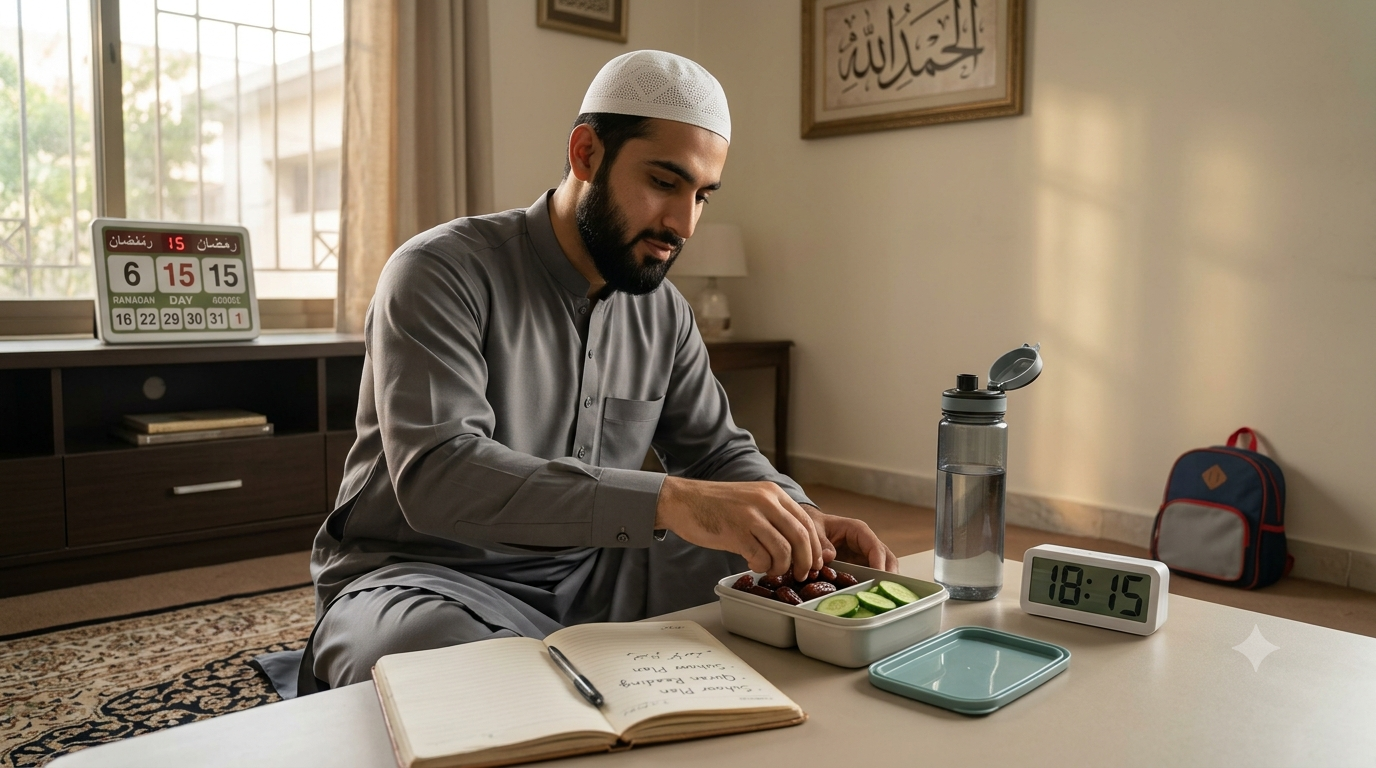
Ramadan arrives annually with tremendous potential yet commonly departs with many believers feeling they could have utilized time more effectively. The gap between aspiration and realization need not be inevitable—practical planning, realistic goal-setting, and wise time management can transform Ramadan experience from missed opportunity to deeply productive spiritual intensive. This guide offers concrete strategies for maximizing Ramadan’s blessings across key dimensions of religious practice. Pre-Ramadan preparation sets foundation for successful month. Physical preparation includes consulting healthcare providers about fasting safety (especially for those with chronic conditions), gradually adjusting sleep schedules, reducing caffeine dependence to minimize withdrawal symptoms, and stocking kitchen with nutritious suhoor and iftar options. Spiritual preparation involves seeking forgiveness from others (as the Prophet taught that Allah does not forgive one who has wronged servant until servant is satisfied), setting clear intentions for what one hopes to achieve, and making plan for Quran reading schedule. Mental preparation means adjusting expectations about reduced productivity in certain areas while increasing focus on spiritual priorities. Suhoor strategy significantly impacts fasting experience. Timing matters—eating closer to fajr reduces total fasting duration though very late suhoor risks oversleeping the prayer. Content matters even more—complex carbohydrates (oats, whole grains, beans) provide sustained energy release; protein (eggs, yogurt, nuts) maintains satiety; healthy fats (avocado, olive oil) supports brain function; fiber aids digestion; hydration is crucial since daytime drinking is impossible. Avoiding excessive sugar prevents energy crash mid-morning. Many find that moderate suhoor serves better than large heavy meal that causes lethargy. Daytime fasting optimization extends beyond mere food/drink abstinence. The Prophet taught that Allah has no need for one who merely abandons food and drink if they also abandon truthfulness and honesty—fasting from sin is essential component. Practical applications include guarding tongue from gossip, lying, and harsh speech; controlling eyes from looking at prohibited things; managing anger carefully (the Prophet specifically instructed: “;If anyone fights or quarrels, he should say: I am fasting”;); maintaining consciousness of Allah (taqwa) throughout day; using breaks for dhikr (remembrance) rather than idle conversation; and performing dhuhr and asr prayers with full presence and attention. Work and study during Ramadan requires adaptation. Scheduling demanding tasks during morning hours when energy and focus typically remain higher works well for many. Communicating with colleagues/bosses about Ramadan and potential adjustments manages expectations appropriately. Using lunch break for Quran reading or extra dhikr transforms otherwise lost time into spiritual gain. Accepting somewhat reduced productivity in certain areas while redirecting energy toward spiritual goals maintains realistic expectations. Short naps (qaylulah) following dhuhr or asr revive energy for evening activities. Iftar approach affects both health and spiritual experience. Breaking fast with dates and water follows prophetic model—providing quick natural sugar boost after hours without food while honoring Sunnah. Praying maghrib before eating full meal demonstrates priority of worship over appetite. Eating slowly and mindfully prevents overcompensation for daytime deprivation. Choosing balanced nutrition over excessive sweets and fried foods (however traditional) maintains energy stability. Engaging in conversation with family and iftar guests builds relationships while naturally pacing consumption. The window between maghrib and isha offers valuable time—often underutilized while people eat and rest. Brief nap, family time, or beginning preparation for night worship can fill this period productively. Night worship planning captures Ramadan’s greatest spiritual opportunities. After isha comes taraweeh—the distinctive nightly prayer of Ramadan. Planning to attend congregation (even if not every night) structures evening around worship. For those praying at home, setting comfortable space, having
Quran readily available, and removing distractions (phone in another room) enables quality individual worship. The final third of night (approximately last two hours before fajr) holds special status for voluntary prayer (tahajjud). During Ramadan, many combine tahajjud intention with suhoor eating—waking before fajr for both physical and spiritual nourishment. Even minimal tahajjud (two or four units) during Ramadan carries multiplied reward. Quran completion goal motivates many during Ramadan. Dividing total pages (typically 604 for most mushafs) by 29 or 30 days yields approximately 20-21 pages daily—achievable with focused effort spread across day. Alternative approaches include reading one juz’ (section) after each daily prayer (five prayers = five portions, leaving remainder for night); listening to Quran during commute or chores (counting toward reflection if attention is paid); or focusing on depth rather than breadth with detailed study of shorter surahs rather than rushing through completion. Quality should not be sacrificed entirely for quantity. Dua (supplication) receives special emphasis during Ramadan—especially while fasting and at iftar time when fasting person’s supplication “;is not rejected.”; Preparing dua list beforehand prevents blank-mindedness when opportunity arrives. Covering all life dimensions in dua—worldly and otherworldly, individual and communal, present and future—reflects comprehensive Islamic approach. Asking for both immediate needs and ultimate success (paradise) balances temporal and eternal concerns. Dua for other Muslims multiplies reward as angels say “;ameen”; for supplications made for absent brothers and sisters. Health maintenance during Ramadan often receives insufficient attention. Continuing (adjusted) exercise routine preserves fitness without exhausting resources. Staying hydrated during non-fasting hours supports bodily function. Monitoring existing health conditions becomes more important, not less. Sleep deprivation accumulates across month—intentional rest compensates for nighttime worship. Those excused from fasting (travelers, ill persons, menstruating women, pregnant/nursing women when difficult) should accept exemption without guilt while making up missed days or paying fidya as applicable. Social generosity characterizes ideal Ramadan. Hosting iftar for others (even simple fare) carries great reward. Contributing to mosque iftar programs feeds those without family nearby. Giving zakat during Ramadan multiplies reward according to hadith. Checking on neighbors, elderly relatives, and those living alone extends Ramadan’s blessings beyond immediate circle. The combination of physical hunger creating empathy for hungry and religious incentive increasing generosity makes Ramadan peak season for charitable giving—a pattern worthy of embracing fully. Tracking progress helps maintain consistency. Simple checklist of daily goals (Quran pages, prayers on time, specific dhikr targets, controlled anger/speech) provides accountability. Weekly assessment allows adjustment of unrealistic goals or slackening effort. Sharing goals with accountability partner (family member, friend) increases follow-through likelihood. The objective is not perfection but sincere effort consistently applied—Allah looks at hearts and intentions, not merely external accomplishments. Each day of Ramadan is irreplaceable once passed; wisdom demands treating each one as precious opportunity that will not return until next year, if we are granted that blessing.