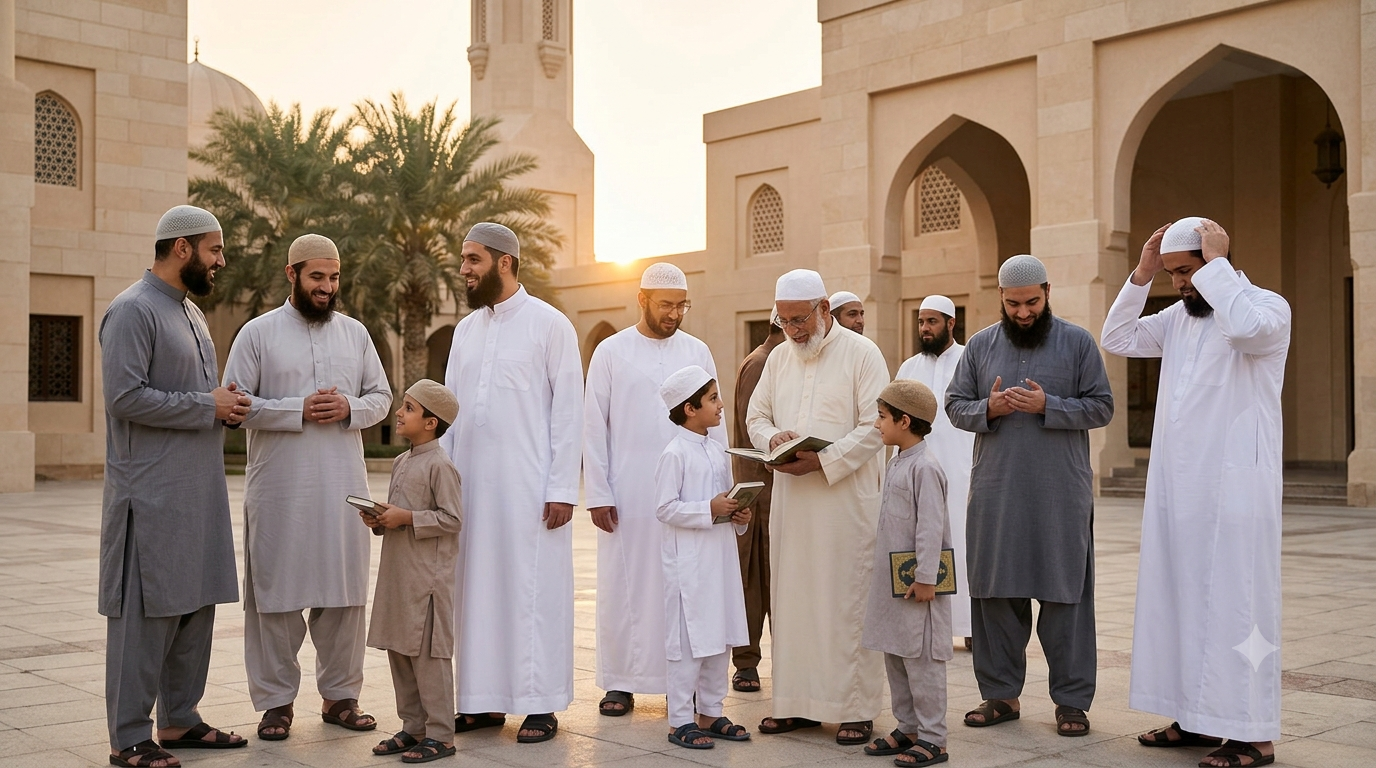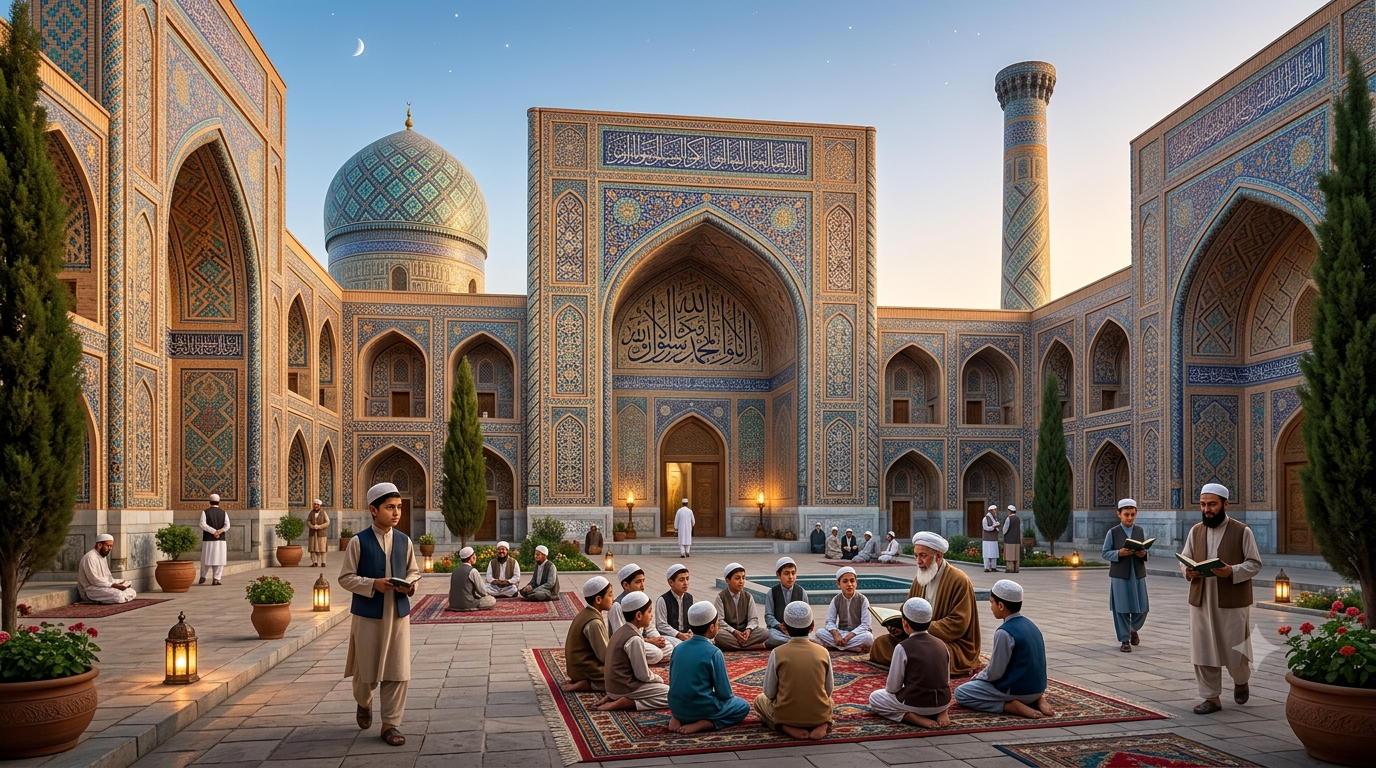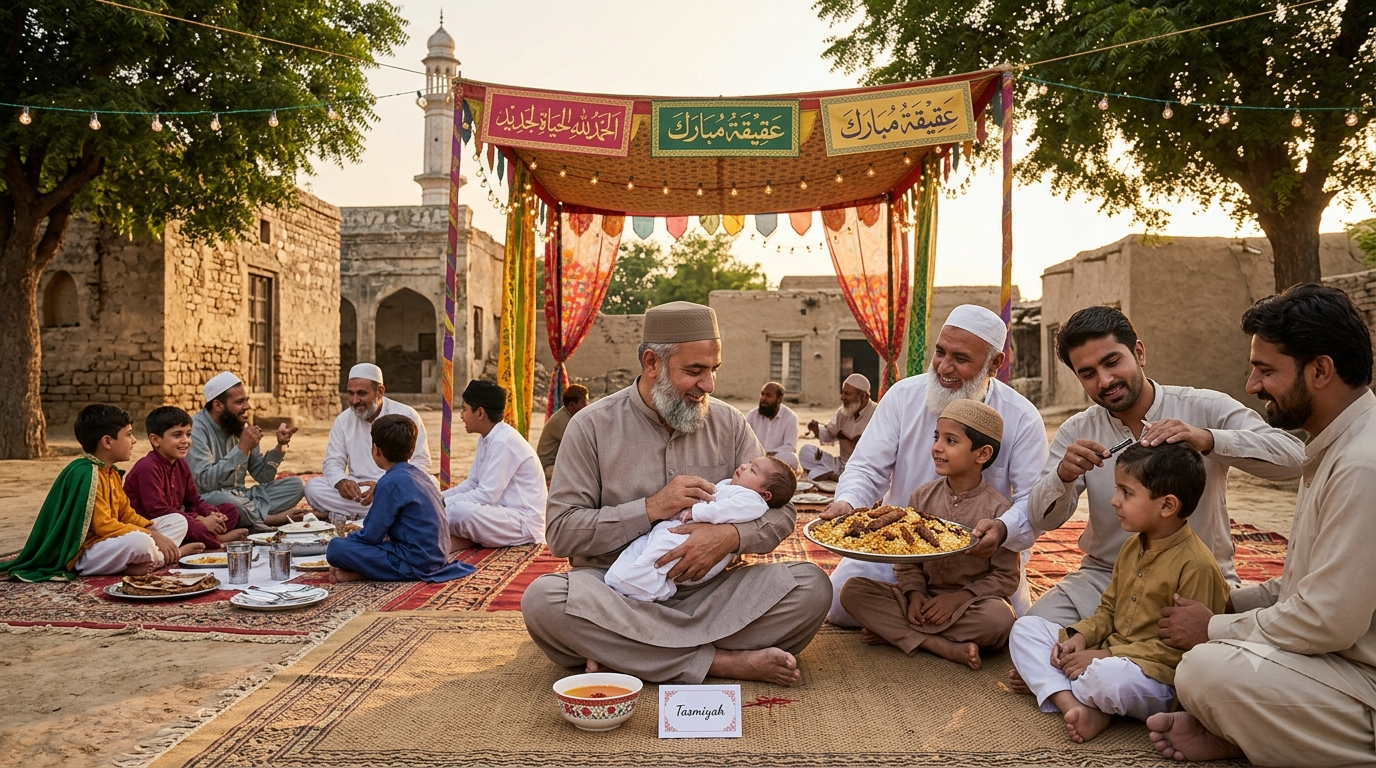
Birth and childhood in Islam are marked by specific rites of passage (adab al-walad) welcoming newborns into community and guiding their spiritual development from earliest moments. These traditions combine practical care with spiritual significance. Aqiqah (welcoming sacrifice) traditionally performed on seventh day after birth involves animal sacrifice whose meat is cooked and distributed. Shaving baby’s head (if male) occurs simultaneously. Tasmiyah (naming ceremony) gives child Islamic name connecting them to faith community. Circumcision (khatan) for male children represents significant rite—performed anytime from birth to puberty. Breastfeeding receives strong Quranic endorsement; mothers are encouraged to nurse for two complete years. Early education begins immediately through environment and interaction—hearing Quran recitation, parents’ gentle speech, consistent care. Childhood rites of passage mark developmental stages—starting Quran memorization around age 4-7, teaching basic salah around age 7, first Ramadan fast around age 7-10. Toys and play should reflect Islamic values when possible. Community involvement supports child-rearing—extended family participates actively, mosque communities welcome children. Protection rituals seek Allah’s safeguarding; reciting Quran over sleeping child provides barakah. Celebrating milestones marks growth—completing first Quran juz’, starting regular salah, first full Ramadan fast. The Prophet’s love for children models ideal approach—he played with them, kissed them, carried grandson during prayer, shortened sermons when he heard them crying, and prayed for their guidance. Every moment with child is investment in future Ummah.