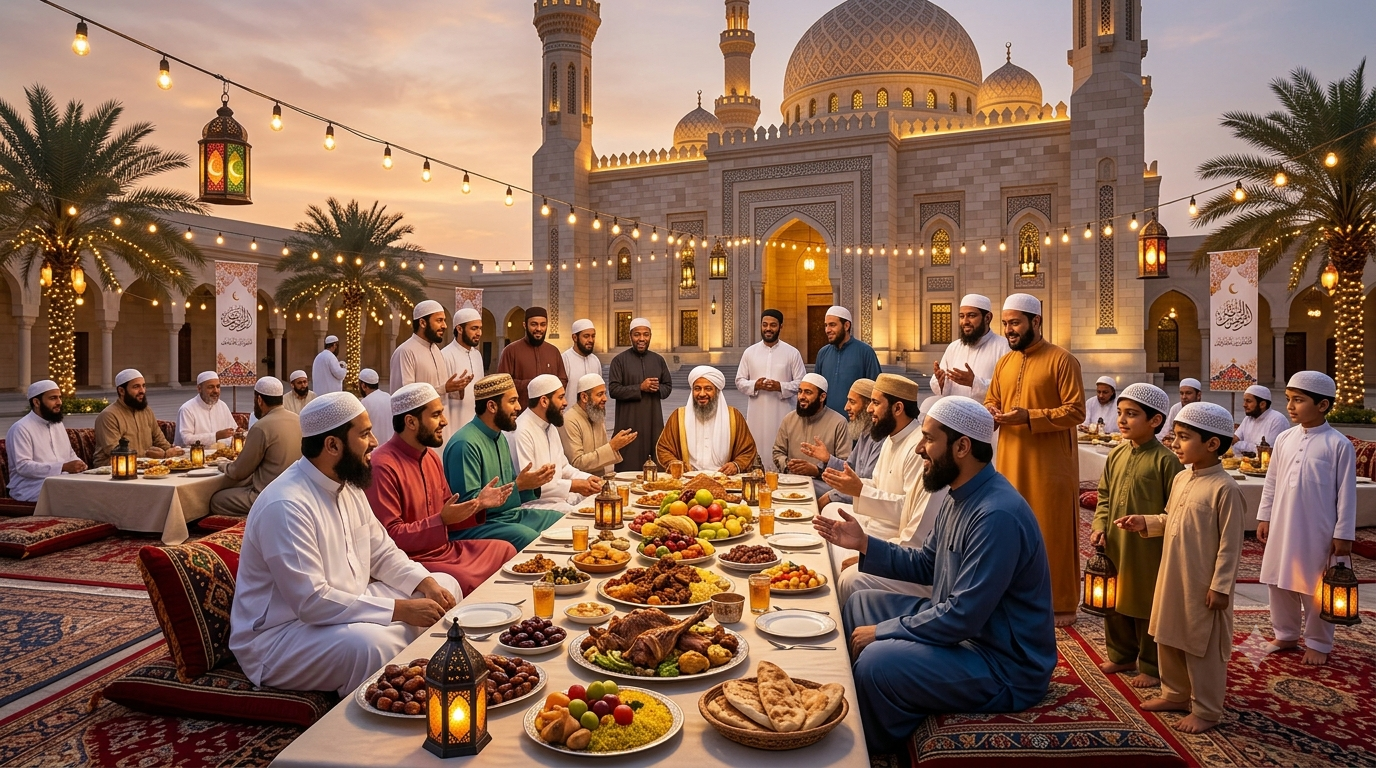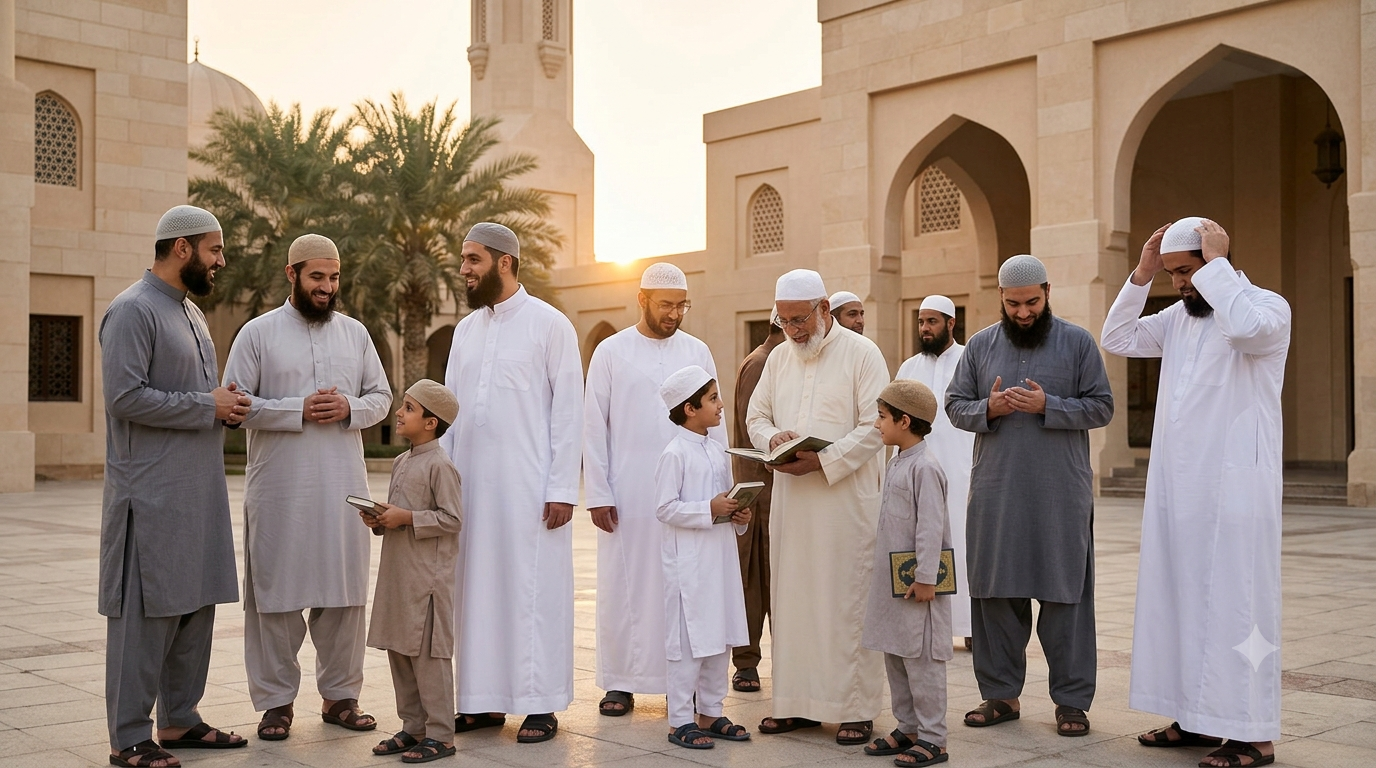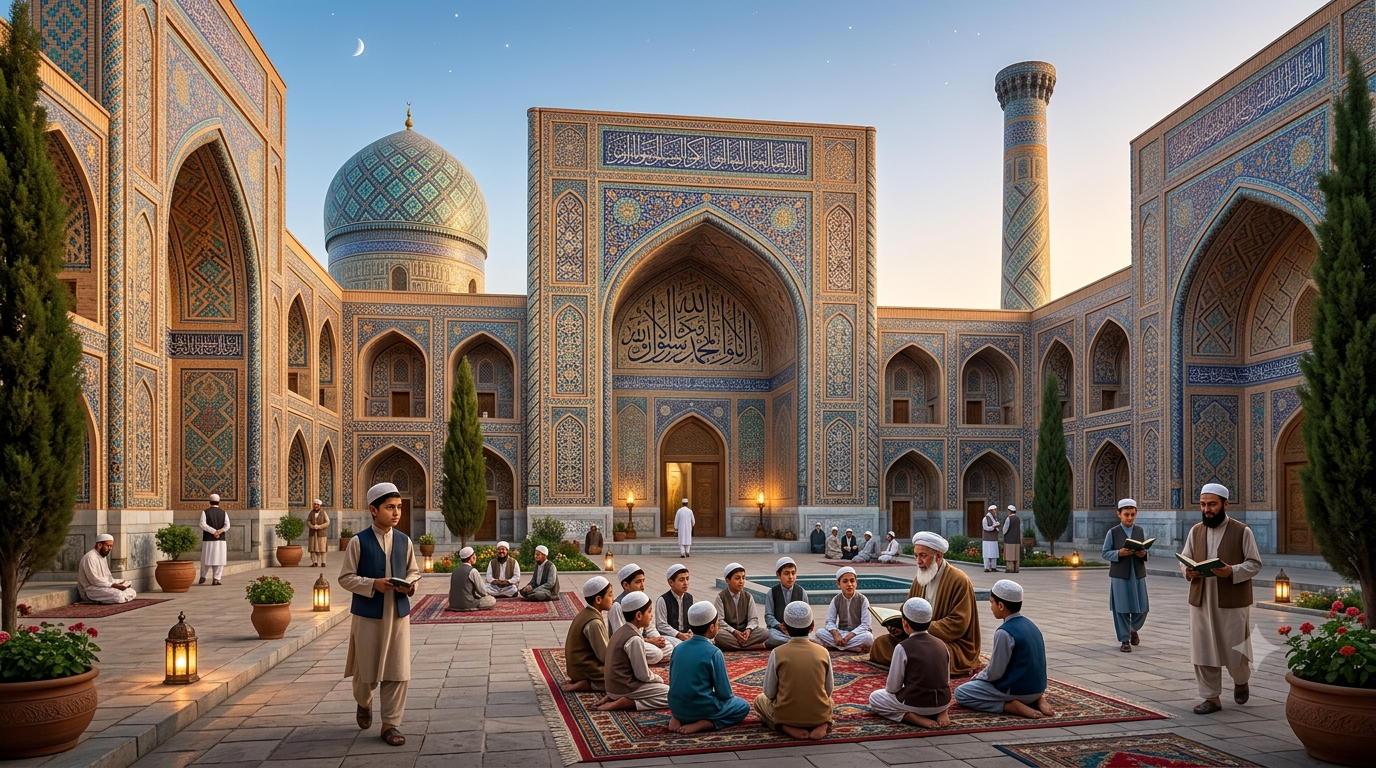
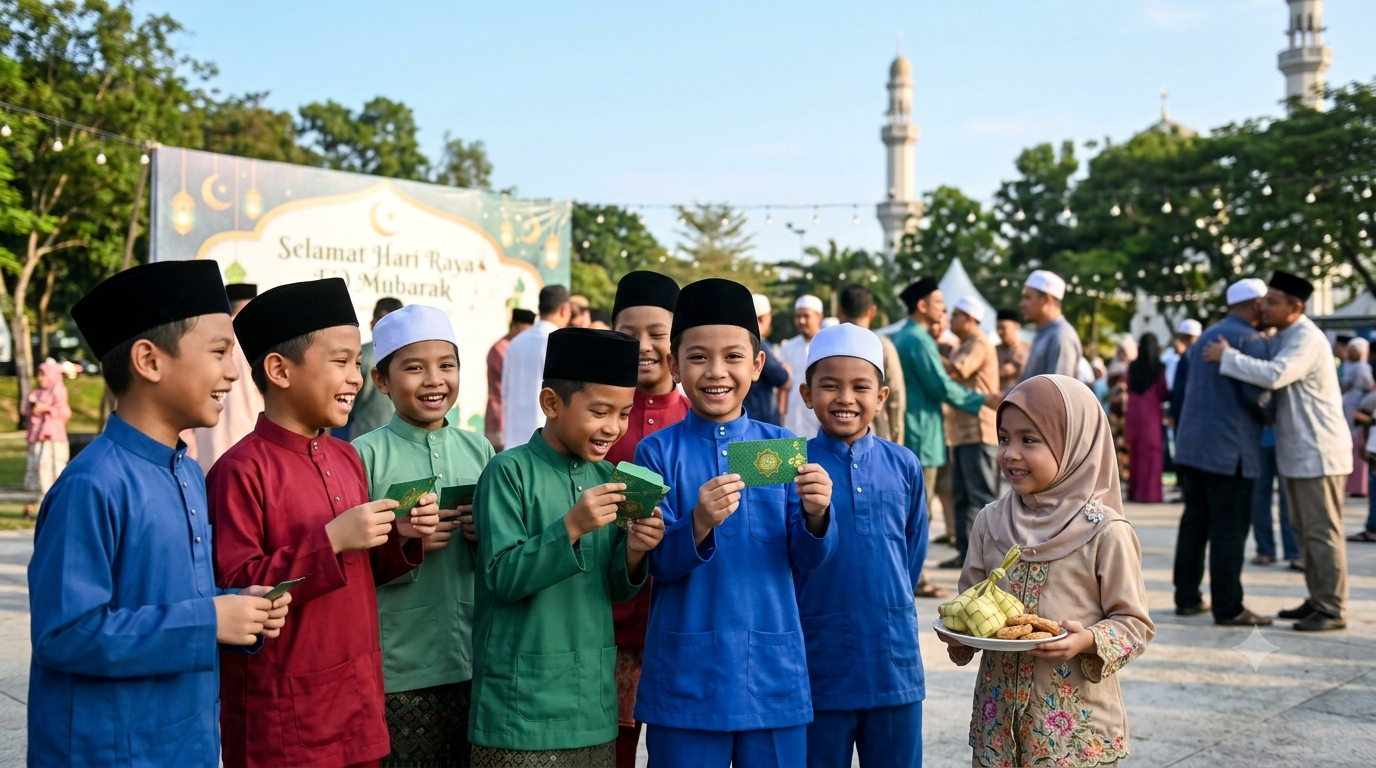
Eid celebrations mark climactic moments in Islamic ritual calendar—festivals of joy following periods of devotion and spiritual intensification. Eid al-Fitr concludes Ramadan’s month of fasting; Eid al-adha commemorates Hajj sacrifice and Ibrahim’s faithfulness. Both Eids combine worship with celebration, individual devotion with communal gathering, solemnity with festivity in distinctive balance characterizing Islamic observance. Eid al-Fitr arrives with visible relief and happiness. Completion of Ramadan’s fasting brings sense of accomplishment mixed with sadness at blessed month’s departure. The night before Eid involves special prayers, distribution of Zakat al-Fitr (obligatory charity before Eid prayer), and community gatherings marking transition. Families don new or best clothes—signaling celebration’s special nature. Eid prayer represents communal worship’s largest regular gathering. Performed in open spaces or mosques too small for crowds, this prayer features additional takbeers beyond regular format. Khutba follows, addressing themes of gratitude, unity, and continued righteousness. The atmosphere combines solemnity with palpable joy—faces reflecting both worshipful reverence and festive happiness. Greeting traditions strengthen social bonds. “;Eid Mubarak”; exchanges express goodwill across community. Visiting relatives, friends, and neighbors extends celebration beyond immediate family. Reconciling with those estranged during year receives particular emphasis—Eid as opportunity for fresh starts in relationships. Food traditions vary richly across cultures but share emphasis on special dishes—sweet dishes predominate for Eid al-fitr including sheer khurma, sawaiyan, baklava, kheer, and countless regional specialties mark breaking month-long fast from daylight eating. Heavy meals bring families together around tables laden with holiday fare. Hospitality demands feeding guests generously—no one should eat alone on Eid. Gift-giving customs differ by region but universally express care. Eidiya (cash gifts to children) brings particular excitement—young ones eagerly collecting from parents, grandparents, relatives, and family friends. New clothes represent traditional gift ensuring even poor community members can celebrate with dignity through community provision. Charitable giving intensifies during Eid—ensuring everyone shares in festival bounty reflects Islam’s integrated worldview. Regional variations showcase Islamic diversity. Indonesian Lebaran involves specific dishes (ketupat rice cakes), mudik (homecoming migration), and pocket money tradition. Turkish Bayram features shared sweets (baklava, lokum), cemetery visits, and municipal festivities. South Asian Eid includes henna application, mehndi designs, and elaborate feasts spanning days. Arab celebrations feature
different greeting customs (men kissing foreheads of elder women), coffee service rituals, and late-night gatherings. This diversity within unity enriches global Ummah. Eid’s spiritual significance transcends festivity. It marks successful completion (Ramadan’s fasting, year’s spiritual work), provides gratitude expression opportunity, strengthens community bonds weakened by routine distractions, and offers foretaste of hereafter’s joyful reunion. Every smile exchanged, meal shared, and gift given reflects awareness that blessing flows from Allah alone—and returning thanks through celebration honors Giver appropriately.