
Energy resources—particularly oil and natural gas—have shaped Muslim-majority countries’ international standing, economic development, internal politics, and external relations for over a century. From Persian Gulf monarchies dependent on hydrocarbon revenues to energy-importing Muslim states vulnerable to price volatility, energy politics affects virtually every aspect of Muslim world’s contemporary condition. As global energy transition toward renewables accelerates, Muslim-producing countries face existential economic questions while consuming nations navigate new dependencies and opportunities. Historical context establishes foundation for understanding current dynamics. Oil discovery in Persia (1908), Saudi Arabia (1938), and other Middle Eastern/North African locations transformed previously marginal territories into strategically vital regions. Western oil companies initially controlled extraction and pricing; nationalizations from 1950s-1970s transferred control to host governments. OPEC formation (1960) enabled producer coordination; 1973 oil embargo demonstrated oil weapon’s potential (and its limits). Revenue windfalls funded development projects, military buildups, patronage systems, and occasionally ambitious pan-Islamic initiatives. The “;resource curse”; thesis—suggesting abundant natural resources impede democratic development and economic diversification—finds ample illustration across Muslim-majority producer states, though exceptions (Malaysia, Indonesia to some degree) suggest curse is not inevitable. Current production landscape concentrates Muslim-world oil output in limited number of countries. Saudi Arabia ranks among global top producers with largest proven reserves. Iraq, UAE, Kuwait, Iran, and Qatar round out major Gulf producers. Outside Middle East, Kazakhstan (significant Muslim population), Algeria, Libya, Azerbaijan, and Nigeria contribute substantially. Natural gas distribution differs somewhat: Qatar leads in LNG exports; Iran holds massive reserves hampered by sanctions and infrastructure limitations; Turkmenistan, Malaysia, Indonesia, and Bangladesh possess notable gas resources. This concentration means energy politics disproportionately affects subset of Muslim countries while others (Pakistan, Jordan, Turkey, most of Africa) remain import-dependent and price-vulnerable. Economic implications of hydrocarbon dependence cut multiple directions. Producer states enjoy revenue enabling (theoretically) rapid development, generous welfare provision, and international influence. In practice, outcomes vary wildly: Gulf Cooperation Council states have invested oil wealth in infrastructure, sovereign wealth funds, and economic diversification (with varying success); Nigeria suffers corruption, inequality, and despite oil revenue, widespread poverty; Libya’s oil wealth fueled dictatorship then civil war; Venezuela (not Muslim but instructive comparison) demonstrates complete mismanagement possibility. Rentier state dynamics—where governments derive revenue from external rents rather than domestic taxation—create accountability deficits: citizens depend on state largesse rather than vice versa, weakening democratic pressure and enabling authoritarian persistence. Diversification urgency grows as energy transition timeline compresses. Geopolitical ramifications extend far beyond producer states’ borders. Energy imports define strategic vulnerabilities for countries dependent on external supply. Turkey imports over 90% of its energy needs—shaping foreign policy toward Russia, Iran, Azerbaijan, and potential Eastern Mediterranean gas developers. Pakistan’s energy crisis contributes to economic difficulties and creates China dependency through CPEC power projects. Energy security concerns drive nuclear power interest (UAE’s Barakah plant, Saudi Arabia’s announced intentions, Iran’s program). Pipeline politics (TurkStream, TAPI, EastMed) create alliances and tensions. Control over chokepoints (Strait of Hormuz, Bab el-Mandeb, Turkish Straits) provides leverage and potential flashpoints.
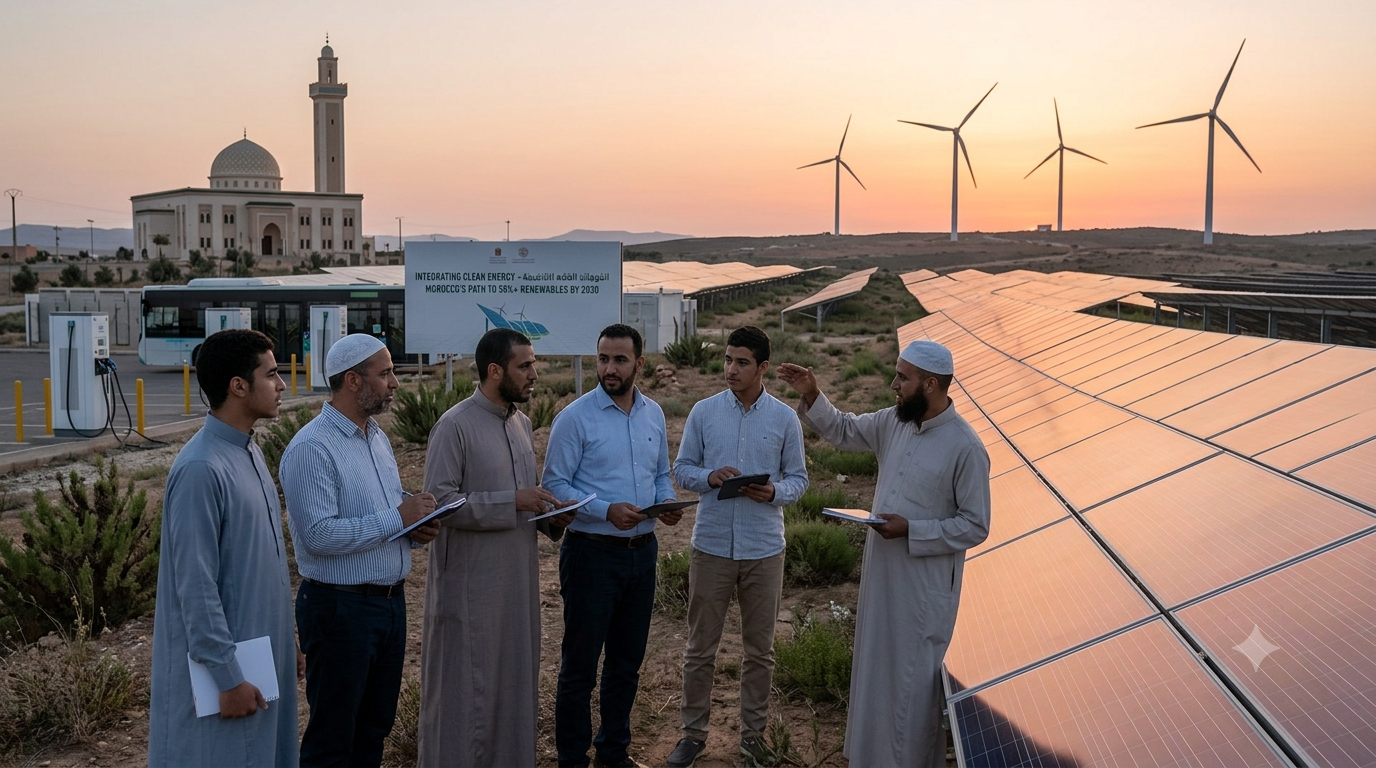
The relationship between energy and conflict manifests across multiple theaters. Iraq’s invasion of Kuwait (1990) sought oil resources and debt relief; coalition response protected Saudi oil fields. Libya’s oil resources motivated external intervention during 2011 uprising and continue driving factional competition. Yemen’s war involves control over Marib oil/gas areas. Nigeria’s delta region conflicts center on oil revenue distribution. Syria’s post-war reconstruction prospects depend partly on offshore gas deposits. Energy resources simultaneously motivate conflict and fund its prosecution. Environmental considerations intersect with Islamic environmental ethics (previously discussed) in complex ways. Hydrocarbon combustion drives climate change disproportionately affecting developing Muslim countries (Pakistan floods, Sahel drought, Bangladesh sea-level rise). Producer states face stranded asset risk as demand eventually declines. Methane emissions from gas operations, flaring practices, and energy-intensive desalination (critical for water-scarce Gulf states) create local environmental damage. Islamic principles of stewardship (khalifah), prevention of harm (darar), and avoidance of waste (israf) all support energy transition, yet practical implementation lags behind rhetoric. Renewable energy potential across Muslim world offers hopeful counterpoint. Solar radiation intensity across MENA region, North Africa, and parts of South Asia/Central Asia ranks among world’s highest. Wind resources (Morocco, Egypt, Jordan, others) grow rapidly. Morocco’s renewable targets (52% by 2030) demonstrate ambition. UAE and Saudi Arabia invest heavily in solar (including export ambitions). Hydropower potential exists (Turkey, Central Asia, parts of Africa). Geothermal opportunities (Turkey again leader). The irony that regions most exposed to fossil fuel climate damage also possess exceptional renewable potential should drive aggressive transition—but path dependencies, vested interests, and capacity constraints slow progress. Islamic finance tools potentially support green energy transition. Sukuk (Islamic bonds) can fund renewable projects. Zakat and waqf structures might channel charitable/endowed funds toward sustainable development. Green Islamic investment funds are emerging. ESG (environmental, social, governance) criteria overlap significantly with Islamic investment screens. However, systematic Islamic finance engagement with climate transition remains nascent relative to scale of challenge. Consumer-level energy behavior in Muslim societies varies by context. Energy subsidies (common in producer states) encourage consumption inefficiency—though subsidy reform proves politically difficult. Ramadan patterns (changed eating schedules affecting electricity demand peaks) create grid management challenges. Transportation habits (growing car ownership in developing Muslim countries) increase emissions. Individual conservation consciousness grows slowly alongside global awareness. The energy transition’s equity dimensions particularly affect Muslim world. Historical responsibility for accumulated emissions lies primarily with industrialized Western countries and recently China—yet climate impacts fall heavily on developing Muslim populations with least adaptive capacity. Climate finance transfers (promised under Paris Agreement but under-delivered) should support Muslim countries’ transition costs. Technology transfer for renewable deployment, adaptation assistance for unavoidable impacts, and loss-and-damage compensation for climate disasters all represent areas where Islamic solidarity should translate into collective advocacy for climate justice. Future scenarios for Muslim-world energy politics span range of possibilities. Managed transition scenarios see producer states successfully diversifying economies before demand peaks, renewable deployment accelerating across sun-rich Muslim territories, and regional energy trade (solar from North Africa to Europe, Gulf hydrogen exports) replacing declining oil commerce. Disorderly transition scenarios feature price volatility, producer state fiscal crises, conflict over remaining market share, and stranded populations in former oil-boom cities. The choices made in next decade—by governments,
investors, civil society, and individuals—will determine which trajectory materializes. Islamic ethics of intergenerational justice, responsible stewardship, and human dignity should inform these choices toward sustainable outcomes serving both current and future generations.