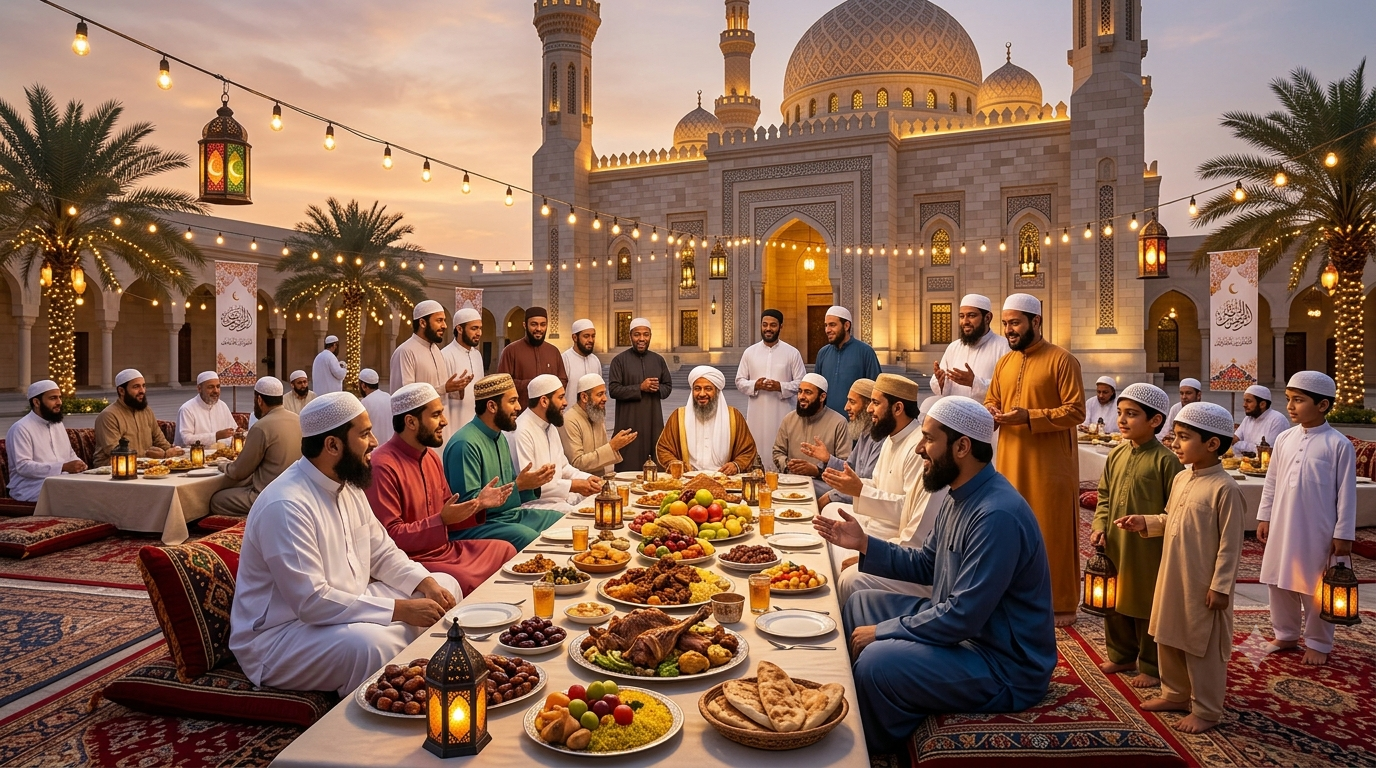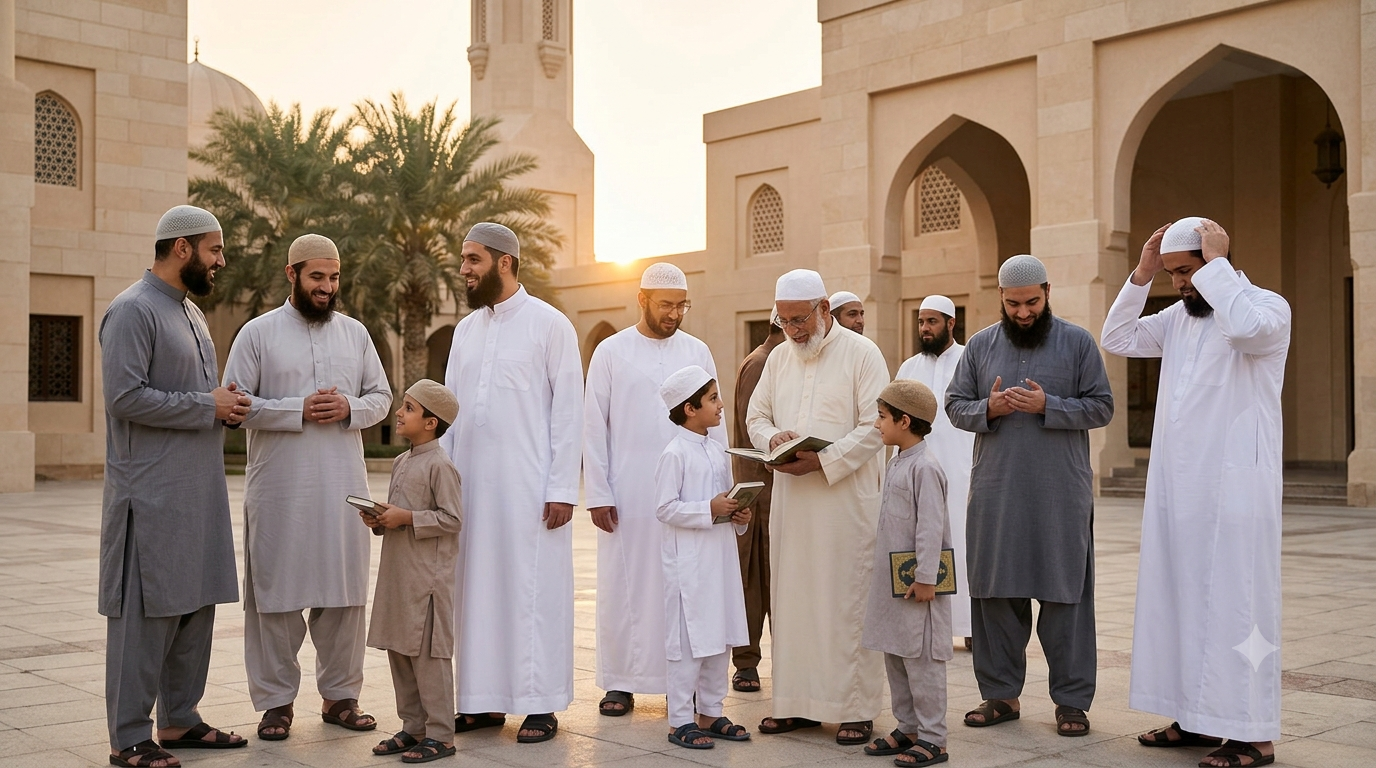

Hospitality (diyafa) holds revered position in Arab and Islamic cultures—transcending mere social politeness to become religious virtue, cultural imperative, and marker of honor and generosity. The tradition of welcoming guests abundantly draws from pre-Islamic Arabian customs, Quranic injunctions, and prophetic examples that together establish hospitality as fundamental component of Muslim ethical life. Understanding this tradition illuminates values central to Islamic civilization while offering wisdom applicable across cultures. Pre-Islamic Arabian society placed extraordinary value on hospitality. Harsh desert environment made survival dependent on mutual aid; travelers arriving at camp could expect shelter, food, water, and protection regardless of prior relationship. Generous hosts gained lasting reputation; stinginess brought shame lasting generations. Poetry from Jahiliyyah period celebrates hospitality as supreme virtue. This cultural foundation prepared ground for Islamic reinforcement and elevation of existing practice to religious obligation. The Quran explicitly commands hospitality on multiple occasions. Verses describing righteous believers include “;and they give food, despite love for it, to the needy, the orphan, and the prisoner”; (76:8). Serving guests connects to broader Islamic ethic of caring
for those in need—whether travelers, neighbors, or community members facing hardship. The Quran also acknowledges hospitality’s rewards: “;Is the reward for good [anything] except good?”; (55:60) suggests that generous hosting earns divine generosity in return. Prophetic practice established concrete hospitality standards. The Prophet himself was exemplary host—offering guests whatever was available, even when means were limited, and encouraging companions to similar generosity. Hadith literature records numerous instances of his hosting and his praise for those who showed generosity toward guests. Specific guidance includes: honoring guest (ikram al-dayf) as religious duty, serving guest for three days as minimum standard (with longer hosting praiseworthy), asking nothing of guest that might cause embarrassment, and considering guest’s comfort as trust (amanah) from Allah. Guest rights in Islamic tradition are substantial. Upon entering host’s home, guest becomes entitled to food, drink, and lodging for reasonable period. Host should not inquire about guest’s affairs intrusively nor reveal guest’s presence to those who might cause harm. Departing guest carries host’s prayers and good wishes. These mutual obligations create network of trust enabling safe travel and community cohesion across Islamic history. The famous story of Hatim al-Tai (pre-Islamic figure praised by Prophet for his extreme generosity) illustrates ideal type—even sacrificing his prized horse to feed unknown guest who had admired it. While such extreme examples exceed ordinary obligation, they establish aspiration level for those capable. Food service protocols reflect honor accorded guests. Best available food is served first. Guests are offered multiple portions until declining clearly indicates satisfaction. Special dishes may be prepared specifically for visitor’s arrival. Beverage service follows similar abundance principle—never letting guest’s cup empty, offering refreshment immediately upon arrival. Physical comfort receives attention: best seating, appropriate temperature, conversation topics suited to guest’s apparent interests and sensibilities. These details communicate respect more eloquently than verbal expressions could. Contemporary challenges affect hospitality traditions. Urban apartment living limits space for hosting compared to traditional homes. Busy schedules reduce time available for extended hosting interactions. Economic pressures constrain ability to offer abundant food. Privacy norms differ from traditional openness. Some families maintain traditions faithfully despite obstacles; others adapt forms while preserving spirit; still others allow practices to decline. Loss of hospitality culture represents genuine impoverishment of community life even when material conditions improve. Gender dynamics in hospitality contexts vary culturally. In traditional settings, women prepare food and manage hosting logistics while men entertain male guests directly. Female guests interact with hostess counterpart. Some contemporary households modify these patterns; others maintain traditional divisions. What remains constant is that hospitality labor falls disproportionately on women—a dynamic warranting acknowledgment and equitable distribution where possible. Business hospitality in Muslim cultures extends domestic principles into professional realm. Hosting business associates, colleagues, and clients involves similar generosity expressed through appropriate professional forms. Meals, gifts, accommodation for traveling associates—all follow spirit of diyafa adapted to commercial context. Relationships built through such hospitality often prove more durable and trusting than purely transactional connections. Stranger hospitality deserves particular emphasis in Islamic ethics. Hosting unknown persons (especially travelers) represents higher form than entertaining friends and family where natural affection motivates service. Historical Muslim societies maintained institutions supporting stranger hospitality—waqf-funded guest houses (ribats, khans), community funds for traveler support, and cultural expectation that anyone could knock on door and receive basic welcome. Contemporary security concerns have complicated this tradition, yet the principle remains valid where safely implementable. Teaching children hospitality habits ensures
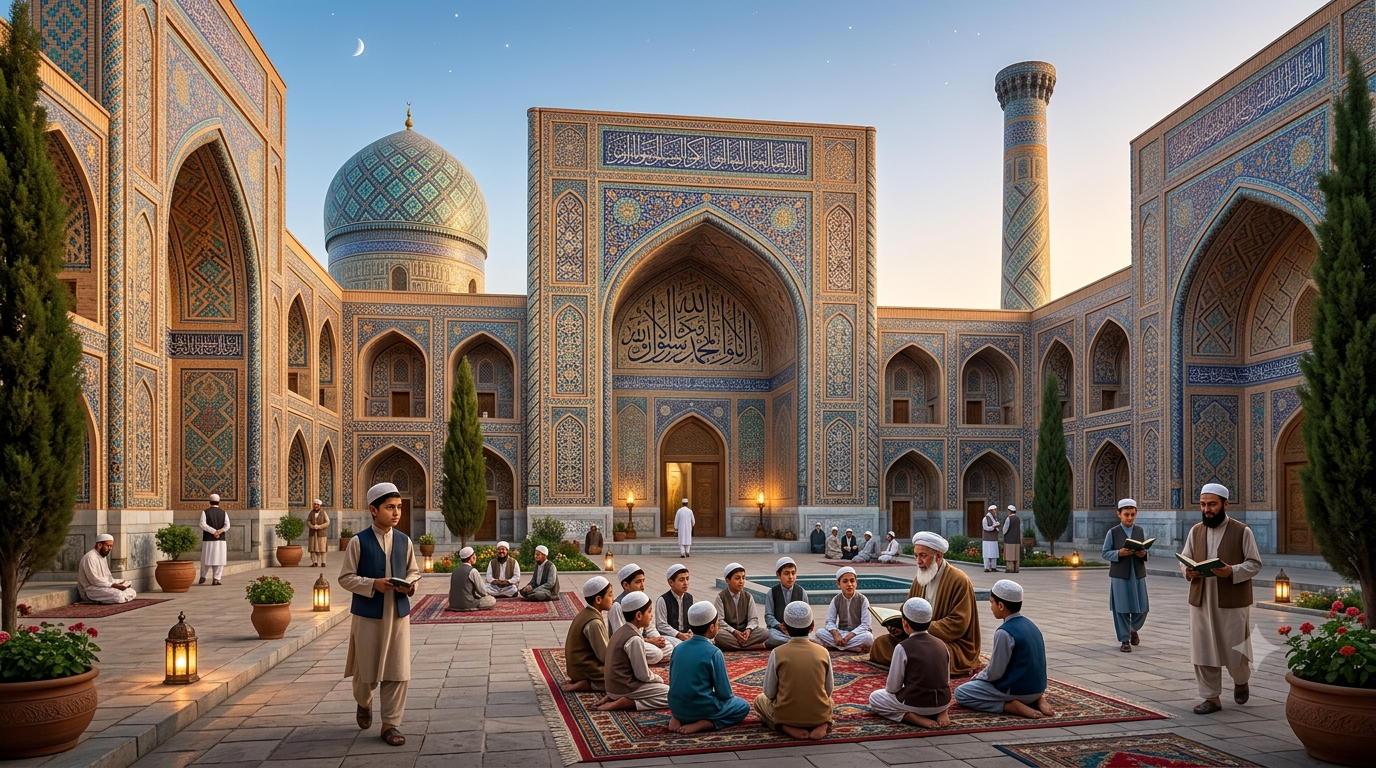
tradition’s continuation. Young Muslims learn by participating in hosting—helping prepare, serving guests (appropriately to age), observing adult modeling. Explicit instruction about hospitality’s religious status reinforces experiential learning. Children who internalize hospitality as normal expectation rather than exceptional burden are more likely to maintain practice as adults. The spiritual dimension elevates hospitality above social convention. Hosting guest for Allah’s sake transforms mundane act into worship. The guest becomes trust from Allah; serving them faithfully discharges sacred duty. Reward comes from Giver, not (primarily) from guest’s reciprocity. This theological framing sustains generosity even when recipients cannot repay—when guests are difficult, when resources are scarce, when inconvenience is significant. Ultimately, hospitality in Islamic culture manifests worldview seeing all people as Allah’s creatures deserving dignity, all resources as Allah’s provision to be shared rather than hoarded, and all social interactions as opportunities for drawing nearer to Him through service to His servants. Whether elaborate feast or simple sharing, the generous welcome opens doors—both literally for guests and spiritually for hosts seeking divine pleasure through human kindness.
ISLAMIC ART & AESTHETICS
Exploring the Beauty and Spirituality of Islamic Creative Expression