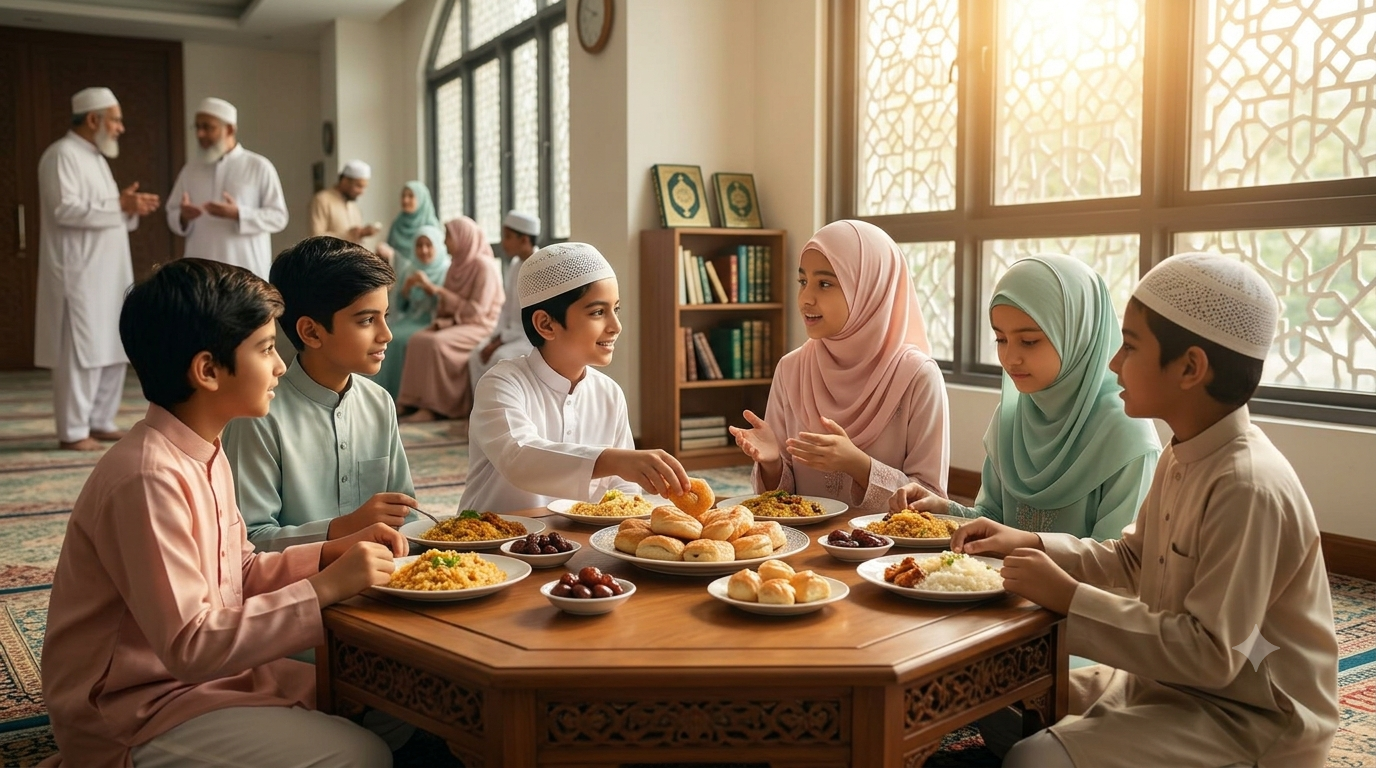
Islamic etiquette (adab) encompasses comprehensive code of manners governing all aspects of daily life—from greetings and dining to conversation and dress. Rooted in Quranic guidance and prophetic example, adab transforms mundane interactions into opportunities for worship, community building, and spiritual development. Understanding and practicing Islamic manners beautifies character while strengthening social fabric. Greeting etiquette establishes interaction tone. “;Assalamu Alaikum”; initiates exchange with invocation of peace—blessing both speaker and listener. Responding with full greeting completes blessing circuit. Giving greeting is recommended regardless of recipient; responding becomes obligatory when given. Younger person greets first; rider greets pedestrian—one initiating shows humility. Conversation manners reflect respect and thoughtfulness. Speaking clearly and moderately facilitates understanding. Choosing appropriate topics—avoiding harmful gossip (ghiba)—protects tongues from sin. Listening attentively honors speakers. Using pleasant facial expression and gentle tone makes communication welcome rather than burdensome. Dining etiquette covers multiple dimensions. Beginning with Bismillah acknowledges provision source. Eating with right hand follows prophetic practice. Eating from nearest portion considers others. Moderation in consumption balances enjoyment with health and gratitude. Praising food pleases host; criticizing it hurts feelings unnecessarily. Hospitality norms define generous hosting and gracious guest behavior. Hosts offer best available food and seating; guests accept graciously without demanding. Serving guests before family members demonstrates honor accorded visitors. These mutual obligations strengthen bonds through repeated hospitality exchanges. Public behavior guidelines protect communal harmony. Walking on street sides, avoiding crowding or pushing, lowering gaze appropriately, maintaining cleanliness—all reflect consciousness of others’ presence and comfort. Queueing patiently, yielding to elderly/disabled/pregnant demonstrates consideration. Respecting elders holds particularly important position in Islamic etiquette—standing when elder enters room, offering them best seat, speaking respectfully, not contradicting them publicly, visiting regularly, and caring for their needs—these demonstrate honor Islam accords age and experience. Digital etiquette extends traditional manners to modern platforms. Responding reasonably
promptly to messages shows respect. Using polite language even in text form maintains standards. Notifying before calls respects recipients’ time. Sharing appropriate content protects both sender and receiver. The ultimate purpose of adab goes beyond social smoothness to spiritual cultivation. Refined manners indicate inner state of God-consciousness manifesting outwardly. Beautiful character (khuluq hasan) was the Prophet’s defining characteristic—it should characterize his followers too.