
Surah Al-Fatihah, known as “The Opening,” holds a unique position in Islamic worship as the essence of the entire Quran. This magnificent chapter, consisting of seven verses, encapsulates the fundamental relationship between the Creator and His creation. Every Muslim recites this surah at least seventeen times daily during obligatory prayers, yet its depths of meaning continue to reveal new insights to those who reflect upon it sincerely.
The surah begins with praise to Allah, the Lord of all worlds, establishing immediately the scope of divine mercy and authority that extends beyond human comprehension. When we say “Alhamdu lillahi Rabbil alameen,” we acknowledge that every blessing in our lives flows from His infinite grace. This opening phrase transforms our perspective, shifting our focus from worldly concerns to the ultimate source of all goodness. The Prophet Muhammad (peace be upon him) referred to Al-Fatihah as “Umm al-Kitab” (Mother of the Book), indicating its comprehensive nature.
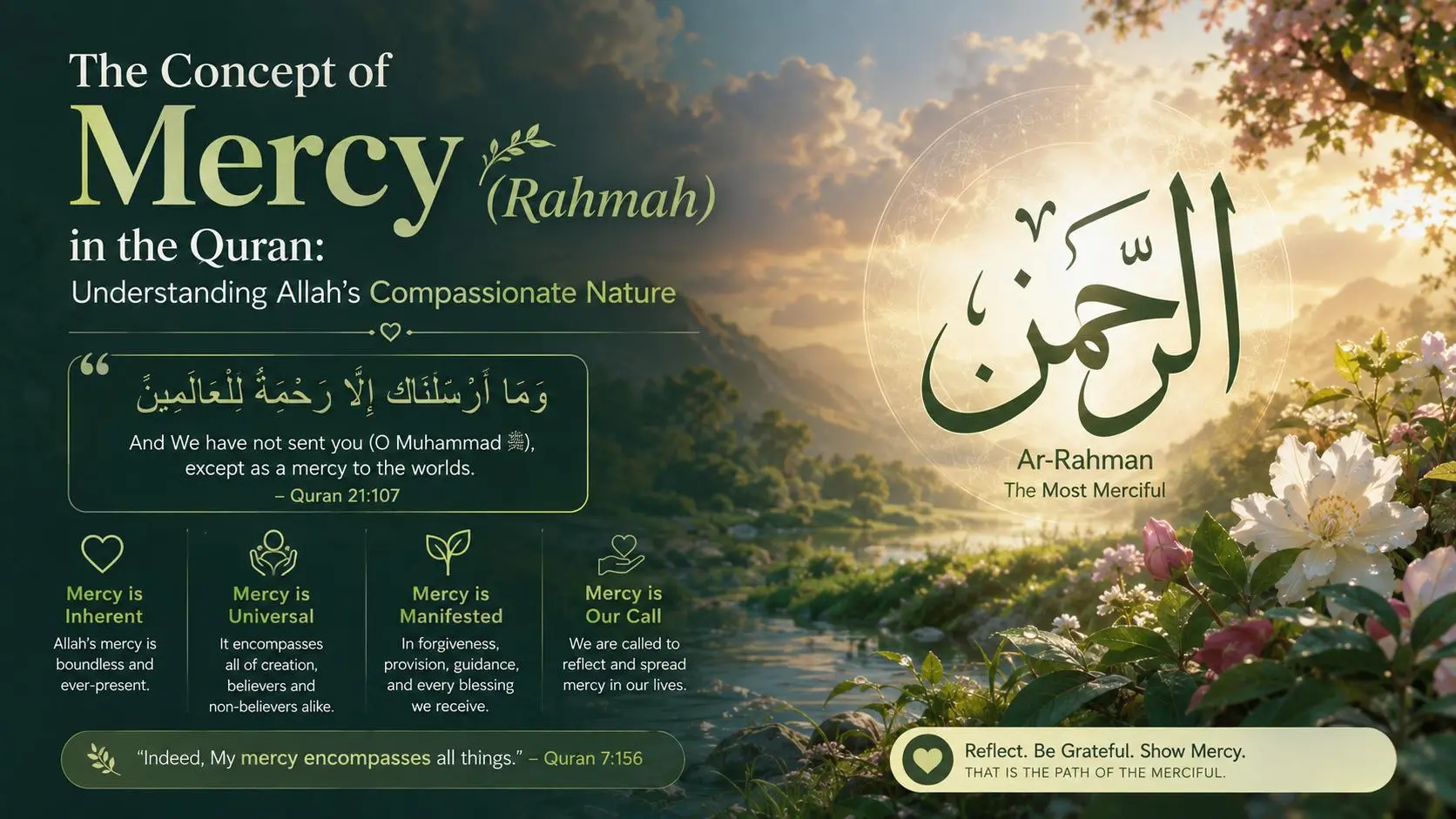
The second verse introduces Allah’s attributes of mercy: “Ar-Rahmanir Raheem.” These two names, while both derived from the root r-h-m, carry distinct meanings. Ar-Rahman refers to Allah’s universal mercy that encompasses everything in existence, while Ar-Raheem signifies His specific mercy bestowed upon the believers. This distinction reminds us that divine compassion is both vast and personal, available to all creation yet particularly attentive to those who seek Him with sincere hearts.
The third verse, “Maliki Yawmid-Deen” (Master of the Day of Judgment), serves as a powerful reminder of our ultimate accountability. In a world where temporal power often seems concentrated in the hands of the unjust, this verse reorients our understanding of true sovereignty. It calls us to live with awareness that every action will be weighed on a day when no soul can benefit another. This consciousness of the hereafter fundamentally shapes ethical behavior and provides comfort to those suffering oppression.
Perhaps most profound is the fourth verse: “Iyyaka na’budu wa iyyaka nasta’eenu” (You alone we worship, and You alone we ask for help). This declaration of pure monotheism (Tawhid) eliminates all intermediaries between the servant and the Divine. It acknowledges human weakness while affirming that true strength comes only through connection with Allah. The sequence is significant: worship precedes seeking help, teaching us that assistance comes through our devotion and submission.
The final three verses constitute a supplication that encompasses all human needs: guidance to the straight path, protection from those who have earned divine anger, and distance from those who have gone astray. This prayer for guidance, repeated daily, keeps the believer humble and constantly seeking divine direction. The categorization of two groups who have deviated serves as a warning against both intentional disobedience and unintentional error.
Reflecting on Al-Fatihah regularly transforms prayer from ritual into meaningful communication with Allah. Each recitation becomes an opportunity to renew our covenant with our Creator, realign our priorities, and seek strength for the challenges ahead. The companions of the Prophet understood this power deeply; they would not move on to the next surah until they had fully absorbed the meanings and applications of Al-Fatihah in their lives.
For contemporary Muslims facing numerous distractions and spiritual challenges, returning to the profound simplicity of Al-Fatihah offers a pathway back to spiritual clarity. Its verses address the modern soul’s deepest needs: purpose, connection, accountability, and direction. By approaching each prayer with mindful reflection on these seven verses, we open ourselves to the transformative guidance that has guided believers for over fourteen centuries.