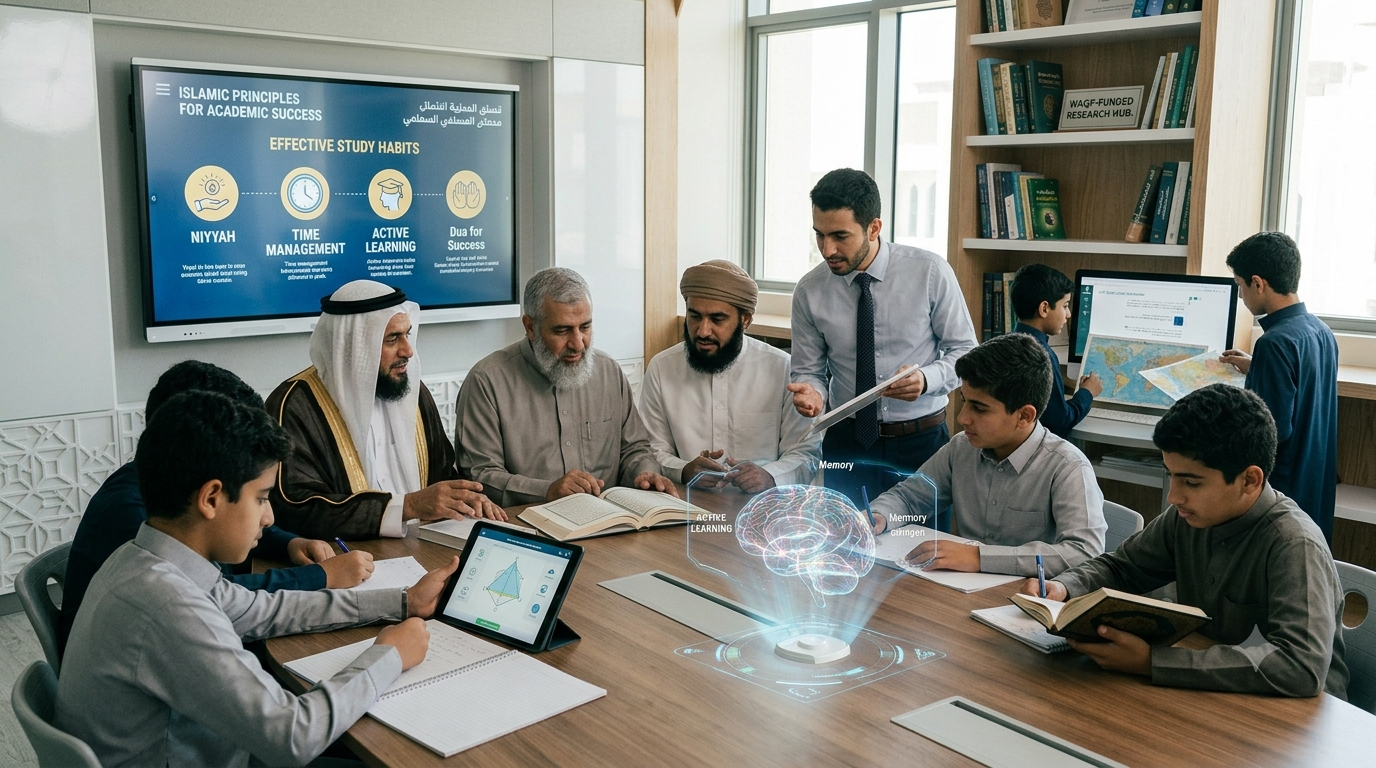
Developing young Muslim leaders ensures community continuity and vitality. Leadership capacity doesn’t emerge automatically—it requires intentional cultivation through training, mentoring, experience, and reflection. Investing in youth leadership development yields compound returns as equipped young people assume responsibilities in families, organizations, communities, and society at large.
Leadership concept in Islam differs significantly from secular models. Islamic leadership (imarah/ri’ayah) is stewardship (amanah) responsibility before Allah, not power position for personal benefit. Leaders serve those led, accountable to divine evaluation. The Prophet’s statement that “;each of you is a shepherd and responsible for his flock”; democratizes leadership—everyone leads in some sphere (family, workplace, community). This expansive view invites broad participation in leadership development.
Prophetic leadership model demonstrates key qualities: humility (despite holding highest authority), consultation (shura) in decision-making, mercy combined with justice, leading by example rather than mere command, and serving followers’ interests above personal convenience. These characteristics define Islamic leadership distinctively from authoritarian or purely charismatic alternatives. Developing these qualities forms core of Islamic leadership training.
Youth leadership opportunities exist across multiple domains. Student council positions, MSA (Muslim Student Association) leadership, youth group coordination, volunteer project management, sports team captaincy, and informal peer influence all provide leadership experience. Identifying and seizing available opportunities builds skills progressively—small leadership roles prepare for larger ones later.
Essential leadership skills for Muslim youth include: communication (public speaking, writing, listening), emotional intelligence (self-awareness, empathy, relationship management), decision-making (gathering information, weighing options, accepting responsibility), conflict resolution (mediation, negotiation, de-escalation), and vision casting (inspiring others toward shared goals). Each skill develops through study, practice, feedback, and refinement cycles.
Mentorship accelerates leadership development tremendously. Experienced leaders who invest time in guiding youth transfer wisdom that would otherwise take decades to accumulate independently. Good mentors provide safe space for discussing challenges, offer corrective feedback constructively, connect mentees with opportunities, and model leadership in action. Youth should actively seek mentors; experienced leaders should intentionally mentor.
Ethical leadership receives particular emphasis in Islamic framework. Power corrupts without strong ethical grounding. Corruption, abuse of authority, and self-serving decision-making plague leadership across sectors—including Muslim organizations. Developing ethical compass through Islamic knowledge, self-reflection, and accountability relationships protects against these pitfalls. Leaders who fear Allah more than people maintain integrity under pressure.
Service leadership orientation counters ego-driven ambition. Islamic leadership fundamentally serves others’ welfare, not leader’s glory. Youth programs should emphasize service projects, community benefit focus, and humility cultivation alongside skill development. Leaders who genuinely care about those they lead inspire loyalty and commitment that coercion cannot produce.
Failure handling distinguishes mature leaders. Every leader experiences setbacks—failed initiatives, criticized decisions, lost elections, interpersonal conflicts. Resilience through failure, learning from mistakes, and persevering despite disappointment characterize those who eventually succeed. Protecting youth from all failure denies growth opportunity; supporting them through failure builds lasting strength.
Diversity in leadership strengthens communities. Gender diversity ensures women’s perspectives inform decisions (women have always been half of ummah). Ethnic/cultural diversity brings varied insights. Generational diversity combines wisdom of experience with energy of youth. Socioeconomic diversity prevents elite capture of leadership. Intentional inclusion produces better outcomes than homogeneous leadership circles.
Global perspective prepares leaders for interconnected world. Understanding Ummah’s global condition—challenges facing Muslims in different regions, international organizations, cross-border issues—enables local leaders to think beyond immediate context. Exposure through travel, international news consumption, and connection with global Muslim networks expands leadership vision.
Spiritual foundation sustains leadership through difficulties. Leadership brings stress, criticism, loneliness, and temptation. Strong connection with Allah through worship, remembrance (dhikr), and supplication (dua) provides resources secular leadership development cannot offer. Leaders who pray sincerely, reflect deeply, and trust divine wisdom navigate challenges with grace unavailable to purely materialist approaches.
Investment in youth leadership development pays dividends across decades. Today’s youth leaders become tomorrow’s organizational heads, community elders, and possibly national figures. Quality of their preparation
determines quality of future leadership. Communities prioritizing this investment position themselves for sustained success; those neglecting it face leadership vacuum when current generation transitions.