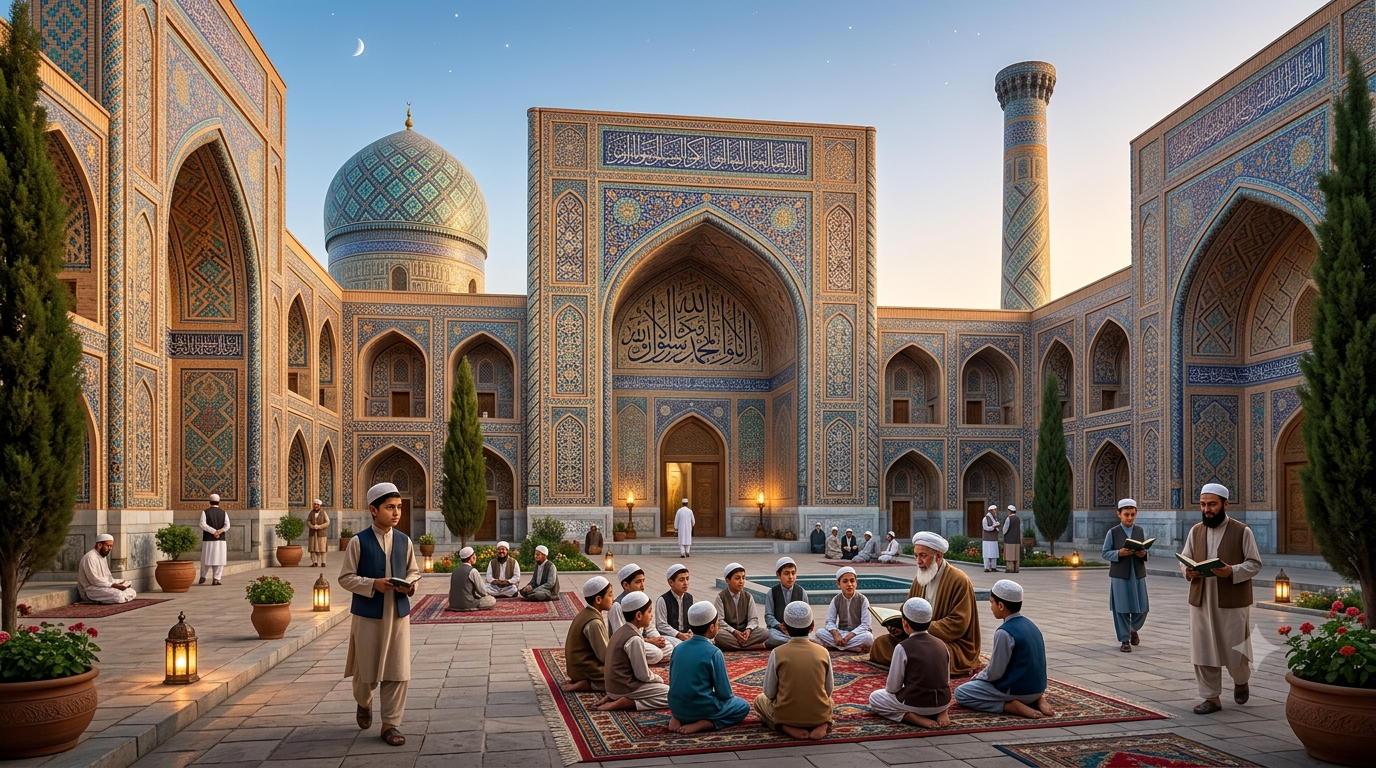
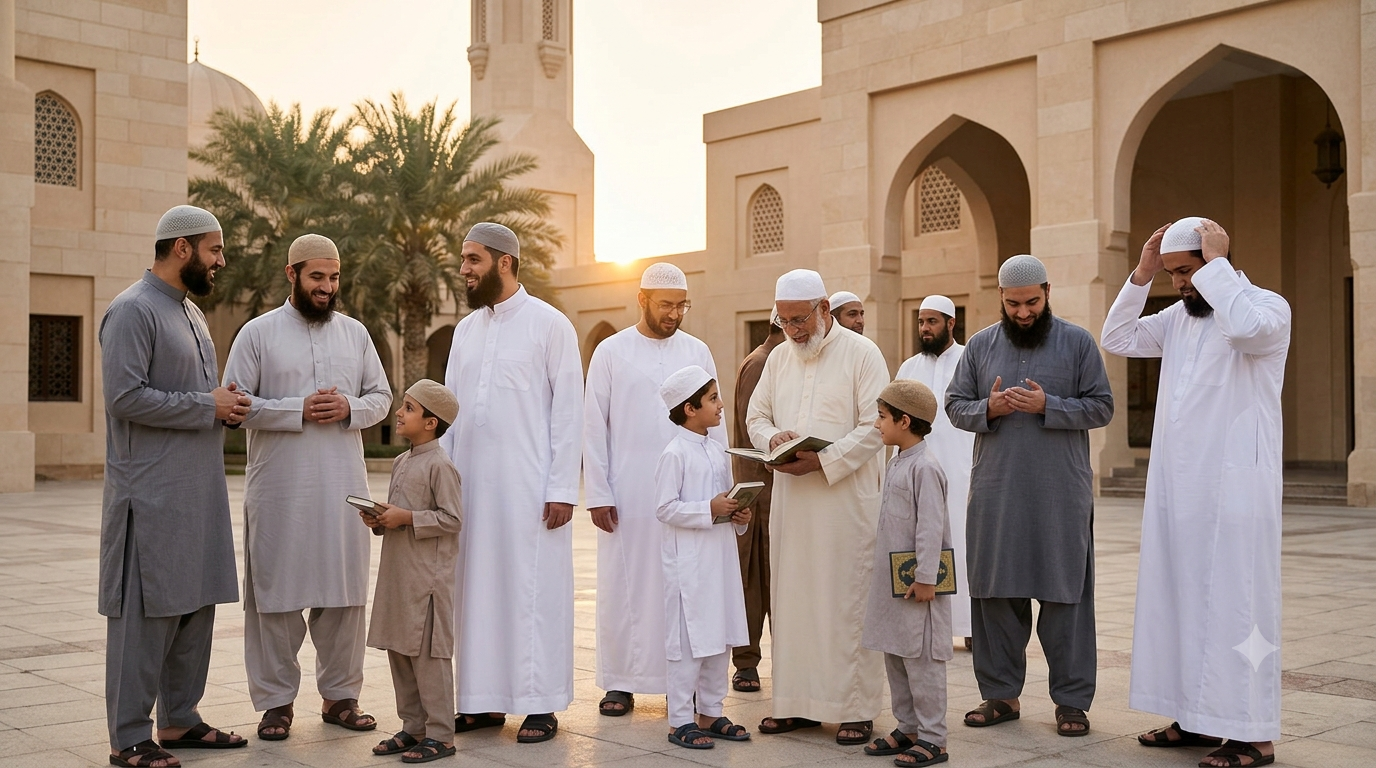
Dress in Islam serves multiple functions: expressing religious identity, fulfilling modesty requirements, maintaining cultural connections, and witnessing to faith values publicly. Understanding Islamic clothing principles requires distinguishing between divine obligations, cultural expressions, and personal choices—categories often conflated in both Muslim and non-Muslim discussions. The foundational principle of modesty (haya) underlies Islamic dress guidelines. For women, Quranic verse (24:31) instructs drawing head coverings over chests and limiting display to immediate family members and those explicitly listed. For men, modesty covers from navel to knee as minimum requirement with additional dignity considerations. Beyond these basics,
interpretations vary significantly regarding extent of coverage, style permissibility, and enforcement mechanisms. Hijab represents most visible Islamic dress practice—and most discussed. The term encompasses range from headscarf to full body coverage depending on context and interpretation. Wearing hijab is widely (though not universally) considered obligatory for Muslim women post-puberty based on classical scholarly consensus. Yet motivation matters profoundly: wearing from sincere obedience differs from wearing under compulsion or merely for cultural identity without religious commitment. Non-wearing Muslims exist across spectrum—from those denying obligation to those acknowledging it but struggling with practice. Men’s Islamic clothing receives less attention but carries its own requirements. Loose-fitting garments avoiding body outline display, lowering gaze (commanded equally to men), avoiding silk and gold (specifically prohibited for men), maintaining dignified appearance—all apply regardless of lower visibility in public discourse. The Prophet’s own clothing style provides model: clean, simple, modest, appropriate to occasion without extravagance or sloppiness. Cultural variations in Islamic dress reflect legitimate diversity rather than contradiction. Arab thobe, South Asian shalwar kameez, Southeast Asian sarong, African dashiki—all can fulfill Islamic requirements while expressing cultural identity. Problems arise only when cultural dress is treated as religiously mandated (adding to religion) or dismissed as backward (subtracting from legitimate expression). Wisdom recognizes both universal principles and their diverse applications. Contemporary fashion industry has increasingly engaged with Islamic clothing market—producing “;modest fashion”; lines, sportswear compatible with Islamic requirements, professional attire meeting modesty standards. This development offers options previously unavailable while raising questions about commercialization of religious practice. Quality varies; some products genuinely serve believing women seeking stylish modest options, others exploit market without understanding or respecting underlying values. Workplace dress codes sometimes conflict with Islamic requirements. Legal protections for religious accommodation exist in many jurisdictions but require navigation. Many Muslim professionals successfully maintain Islamic dress while thriving in corporate environments—demonstrating compatibility through consistent excellent performance that overshadows appearance questions. Children’s dress raises particular considerations. Early habituation to modest dress patterns (age-appropriate versions) eases later transition to full requirements. Forcing strict compliance on young children before understanding develops may generate resentment. Balance between gradual training and eventual expectation requires parental wisdom adapted to each child. The spiritual dimension transcends external appearance entirely. While dress matters, intention matters more—and character matters most. A fully covered person engaging in gossip, dishonesty, or cruelty contradicts what their dress proclaims. Conversely, someone struggling with perfect dress compliance while pursuing genuine righteousness may be more acceptable to Allah than externally compliant but internally corrupt practitioner. Dress expresses identity; character reveals reality. Ultimate accountability belongs to Allah who knows hearts perfectly—He alone judges where genuine effort meets human weakness versus where external piety masks internal emptiness. This awareness should inform both personal practice and attitudes toward others whose dress choices differ from our own.