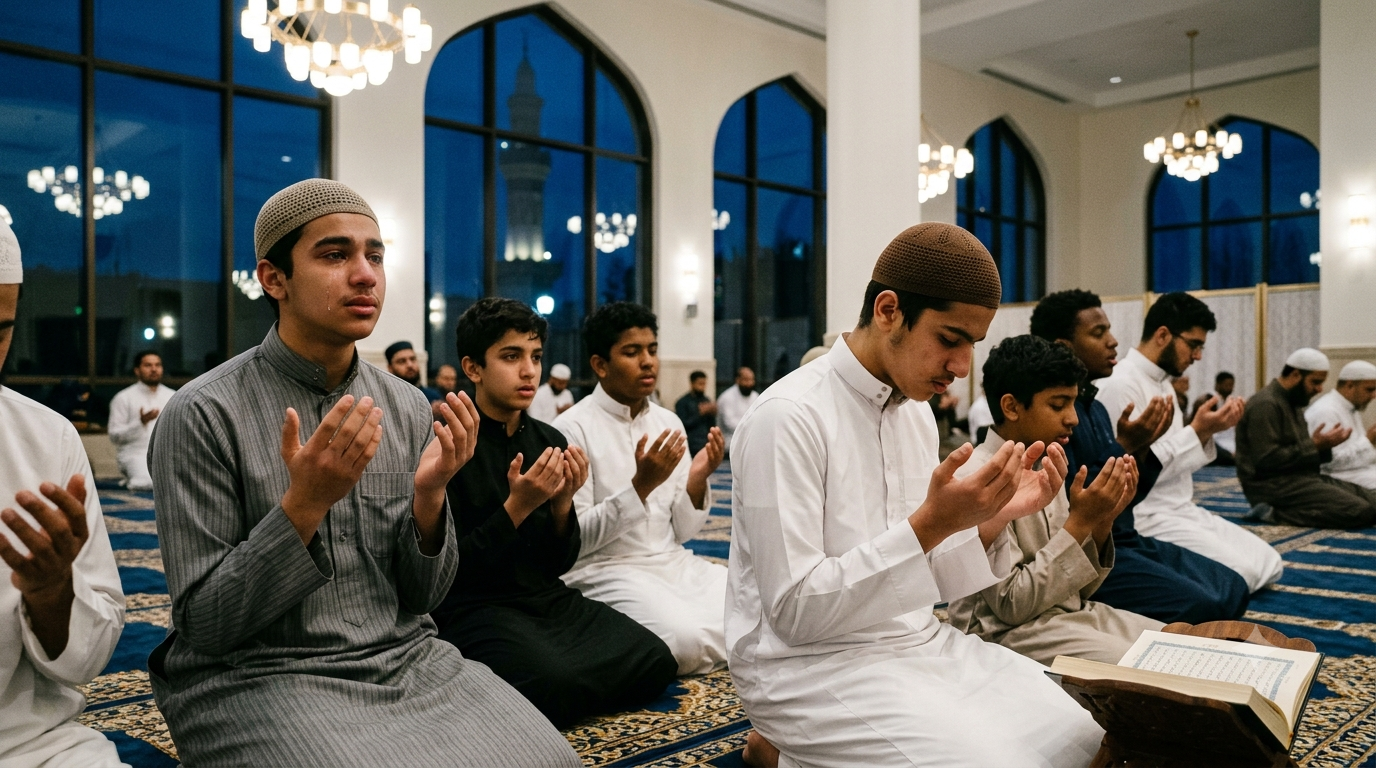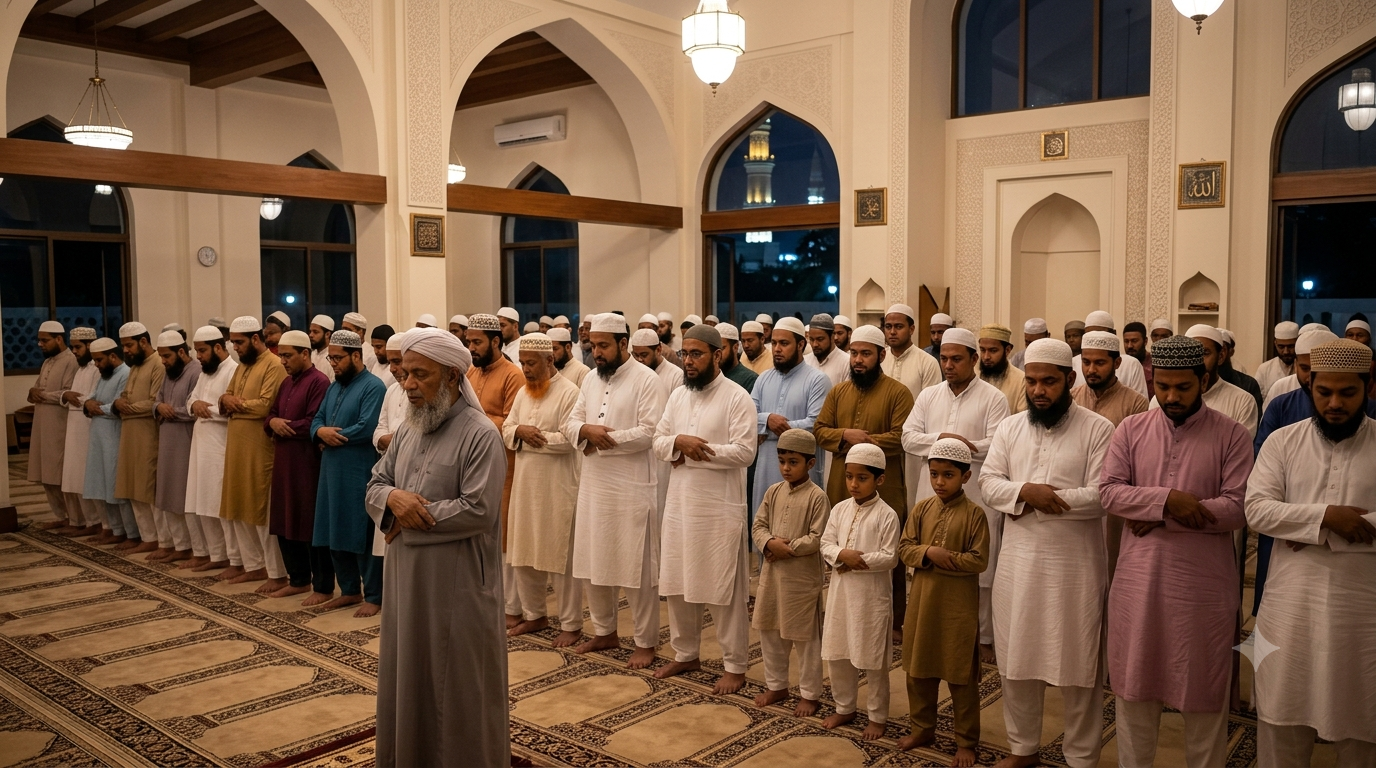
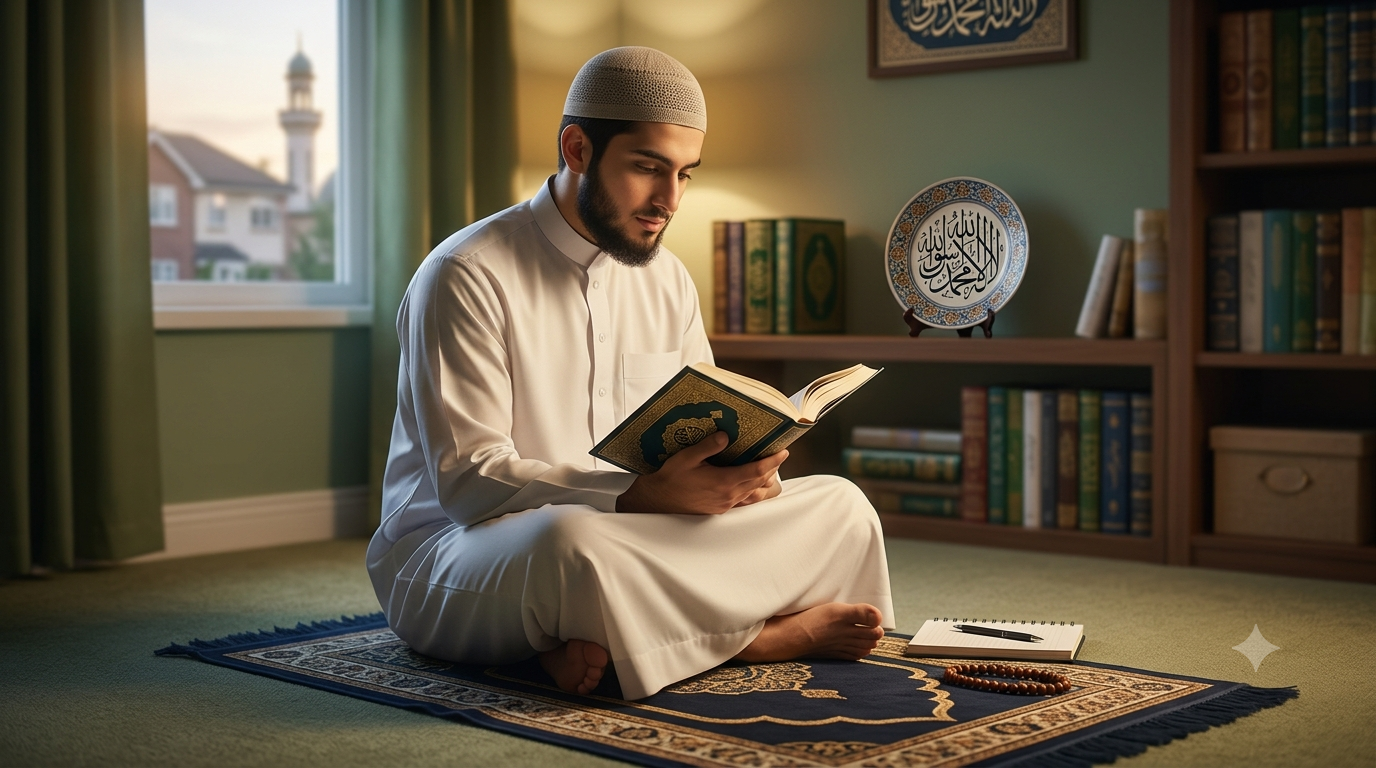
Common lament echoes through Muslim communities annually: “;Ramadan left us, and so did our good habits.”; The post-Ramadan slump—rapid abandonment of practices established during blessed month, return to pre-Ramadan spiritual baseline or worse—represents genuine challenge requiring proactive strategy. Understanding why momentum fades and implementing concrete preservation tactics can transform ephemeral Ramadan gains into permanent spiritual elevation. The problem’s roots run deeper than mere laziness or weak commitment. Ramadan creates artificial environment optimized for spirituality: communal synchronization around fasting, mosque attendance normalized, Quran ever-present in discourse, Shaytan (according to hadith) restrained, divine mercy explicitly emphasized, social pressure toward religiosity elevated. Post-Ramadan removes these supports abruptly—returning believers to environments often hostile or indifferent to spiritual growth. Expecting effortless continuation of Ramadan-intensity practices ignores environmental reality. Deliberate structural changes must compensate for lost Ramadan infrastructure. Immediate post-Ramadan period proves critical. First days after Eid determine trajectory: either gradual slide toward previous patterns or conscious maintenance of elevated practices. Treating Shawwal (month immediately following Ramadan) as extension rather than conclusion preserves momentum. The six voluntary fasts of Shawwal (equivalent to fasting entire year according to hadith) provide natural bridge—maintaining fasting habit while allowing majority of days for normal eating. Beginning Shawwal fasts immediately (starting 2nd of Shawwal) demonstrates seriousness about continuity rather than treating Ramadan as closed chapter. Audit of Ramadan gains identifies what specifically to preserve. What practices were established or strengthened? Additional prayers (sunna rawatib, tahajjud)? Quran reading (amount, consistency, reflection quality)? Dua frequency and quality? Dhikr routines? Sin avoidance (specific habits broken)? Character improvement (patience, generosity, tongue control)? Social connections (mosque attendance, brotherhood/sisterhood relationships)? Family worship patterns? Documenting gains concretely (written list) enables targeted preservation rather than vague intention to “;stay spiritual.”; Realistic scaling acknowledges that Ramadan-intensity levels may not sustain year-round. Full tahajudd every night plus lengthy Quran reading plus extended dhikr plus volunteer work plus perfect character—while maintained for 30 days with divine help—may prove unsustainable indefinitely. Wise approach: identify core practices to maintain absolutely (fard prayers on time, some regular Quran, basic daily dhikr, major sin avoidance), secondary practices to maintain at reduced level (occasional tahajjud, weekly rather than daily extra practices), and tertiary practices to resume during next intensive period (itikaf-level seclusion, completion-speed Quran reading). This tiered approach prevents all-or-nothing collapse when perfection proves impossible. Environmental modification substitutes for lost Ramadan atmosphere. Physical space arrangement—designated prayer area with prayer mat always out, Quran visible and accessible, dhikr beads or app handy—reduces friction for practice. Digital environment—Islamic content in social media feed, beneficial apps prominent, distracting apps removed or restricted—shapes information diet toward spiritual growth. Social environment—maintaining Ramadan-made connections with practicing Muslims, continuing class or halaqa attendance, scheduling regular mosque visits—provides community accountability absent when Ramadan crowds disperse. Routine integration embeds practices into daily structure rather than depending on willpower alone. Linking dhikr to specific triggers (commute, meals, transitions between tasks) creates automatic cues. Fixed Quran reading time (even 10 minutes) scheduled into calendar like unmovable appointment protects against daily chaos. Prayer at earliest possible time rather than procrastinating until last minute prevents accumulation that leads to skipping. Building habits during Shawwal
while Ramadan freshness remains makes establishment easier than cold-starting months later. Accountability mechanisms sustain commitment when motivation wanes. Prayer partner checking in regularly (daily text, weekly call) creates external expectation. App tracking (prayer counter, Quran progress, habit streak) provides data and gamification. Public commitment (telling family/friends about intentions) adds social cost to abandonment. Journaling reflections tracks patterns—what works, what doesn’t, when slip-ups occur and why. Combining multiple accountability types covers different failure modes. Addressing specific failure modes preemptively prepares for predictable challenges. Sleepiness undermining tahajjud? Earlier bedtime, power nap strategy, accepting reduced tahajudd rather than abandoning entirely. Busy work schedule crowding out extra worship? Micro-practices (two rakats here, few dhikr words there) instead of all-or-nothing sessions. Social situations pressuring toward sin? Avoidance strategies, exit plans, honest conversation with friends about boundaries. Motivation disappearing? Returning to basics—remembering death, paradise, accountability—through reminders (lectures, articles, contemplation). Each predictable obstacle deserves planned response before encounter. Gradual rebuilding after inevitable setbacks prevents cascade failure. Missing one day shouldn’t trigger “;well, I’ve failed now”; abandonment. One poor week doesn’t invalidate previous month’s progress. Self-compassion combined with recommitment—acknowledging stumble without self-flagellation, then resuming immediately—outperforms perfectionism that collapses at first imperfection. The Prophet’s guidance: “;If you falter, then do well; and if you do wrong, then make amends”; acknowledges human fallibility while insisting on recovery. Measuring progress accurately encourages continued effort. Comparing current self to Ramadan peak produces discouragement; comparing to pre-Ramadan baseline reveals growth. Noticing incremental improvements—slightly more consistent prayers, slightly more patience, slightly more Quran—validates direction even when destination feels distant. Long-term perspective recognizes that spiritual development spans lifetimes, not weeks or months. Patience with gradual growth reflects trust in Allah’s acceptance of sincere effort regardless of visible results. Connection to community sustains individual practice. Friday prayer attendance (obligatory for men, highly encouraged for women) provides weekly spiritual recharge. Continuing relationships formed during Ramadan prevents isolation that undermines practice. Involvement in mosque activities (classes, service projects, social events) maintains institutional anchor. Teaching or mentoring others (even one step ahead) solidifies learning while benefiting students. Being needed by community creates mutual obligation supporting persistence. The annual cycle perspective reframes post-Ramadan challenge. Ramadan will return—insha’Allah—offering fresh opportunity for intensive spiritual work. Year between Ramadans isn’t dead time but cultivation period: planting, watering, tending spiritual garden that Ramadan harvests abundantly. Neglecting garden for eleven months then expecting Ramadan abundance is unreasonable; consistent modest care throughout year prepares ground for next Ramadan’s explosive growth. Each Ramadan should find believer further along than previous one—not starting from scratch but building on accumulated progress. Ultimate reliance rests with Allah. Human effort, planning, and persistence are necessary but insufficient alone. Divine assistance (tawfiq) determines outcomes. Sincere intention coupled with earnest effort, followed by trust in Allah’s response—this combination characterizes Islamic approach to all endeavors including spiritual development. If post-Ramadan momentum fades despite best efforts, the remedy is returning to same formula: sincere intention, renewed effort, patient trust. Allah’s mercy encompasses struggles and stumbles as well as successes. The goal is not perfect consistency but sincere striving (mujahada) maintained across lifetime’s ups and downs—each Ramadan providing booster shot,
each intervening month demonstrating whether transformation took root. May this Ramadan’s ending mark not conclusion but beginning of permanently elevated spiritual life.