
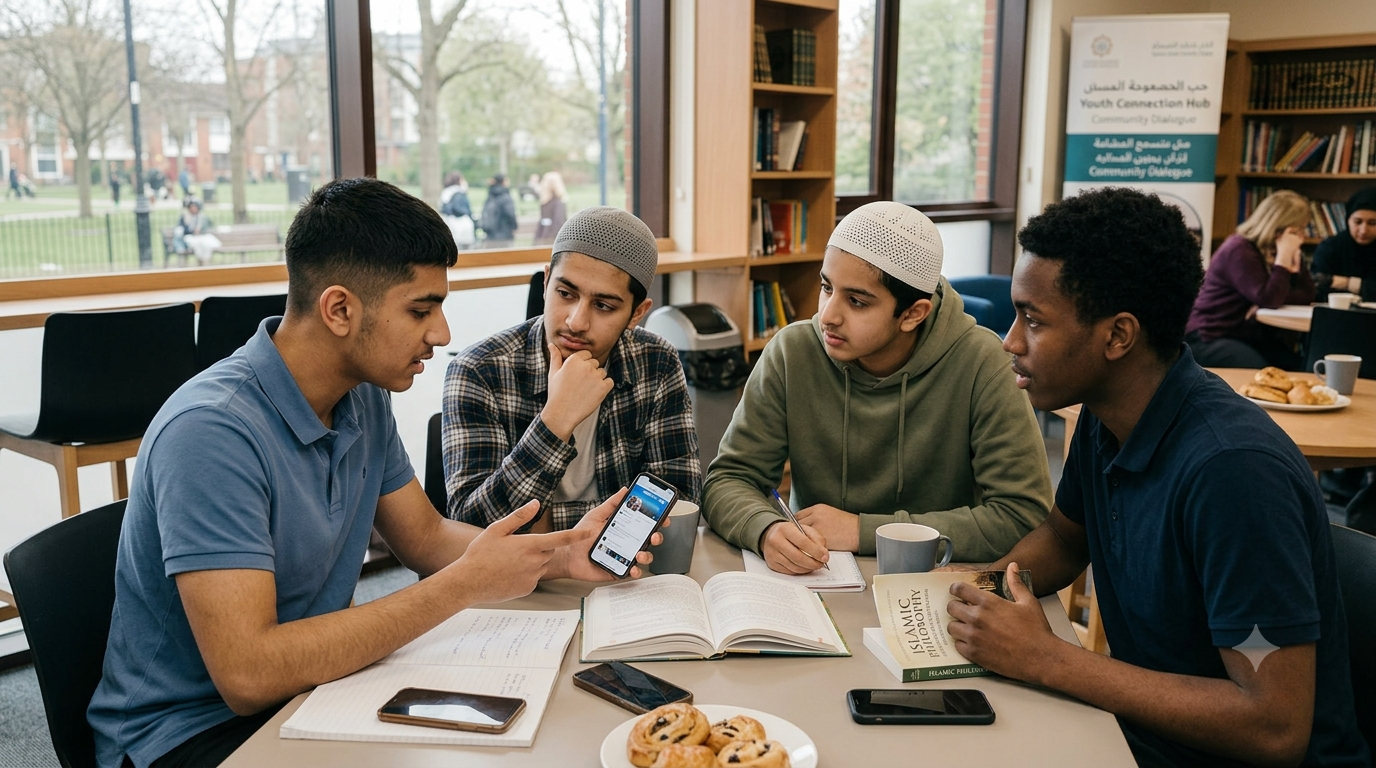
Young Muslims today face unique challenges unprecedented in scope and intensity. Rapid social change, digital connectivity, identity politics, and ideological extremism create complex navigation environment for those coming of age in twenty-first century. Understanding these challenges enables supportive responses from families, communities, and institutions while empowering youth themselves to develop resilient, authentic Islamic identities.
Identity confusion affects many Muslim youth straddling multiple cultural worlds. Those in Western countries often feel “;too Muslim”; for mainstream society yet “;too Western”; for immigrant parents’ expectations. Those in Muslim-majority nations navigate tension between traditional values and globalized modernity. Questions of “;Who am I?”; “;Where do I belong?”; and “;What does it mean to be Muslim today?”; lack easy answers amid competing claims.
Peer pressure intensifies through social media amplification. Youth observe curated lives presenting impossible standards—material success, relationship perfection, physical beauty, social popularity. Comparing unfiltered reality with others’ highlight reels generates inadequacy and anxiety. Muslim-specific pressures include appearing “;sufficiently religious”; without being judged extreme, navigating dress expectations, and managing romantic feelings in contexts where dating norms differ sharply from Islamic guidelines.
Faith doubts emerge naturally during adolescent cognitive development. Questions about God’s existence, religion’s truth claims, and Islamic practices’ rationale surface even in devout families. Some communities suppress doubt expression, driving questions underground where they fester unresolved. Healthier approaches welcome questions as opportunities for deeper understanding while providing resources for sincere seekers.
Extremism recruitment targets vulnerable youth experiencing alienation, identity crisis, or grievance. Online propaganda offers false solutions—belonging through hatred, purpose through violence, significance through martyrdom narratives. Prevention requires addressing root causes: genuine belonging in community, meaningful purpose through constructive avenues, healthy identity formation, and credible alternatives to extremist ideologies.
Mental health challenges affect Muslim youth at rates comparable to or exceeding peers. Anxiety about future (career, marriage, community expectations), depression from various stressors, eating disorders, and trauma from discrimination or family issues require professional intervention that some communities stigmatize. Integrating mental health support with spiritual resources provides comprehensive care respecting whole person.
Relationships and sexuality present particular difficulty. Physical desires awaken during adolescence in societies offering abundant sexual imagery while Islamic guidelines prohibit premarital relationships. Navigating attraction, managing urges, and waiting for marriage (often delayed until late twenties or beyond) tests patience enormously. Honest discussion about these challenges beats pretending they don’t exist.
Career and financial anxiety burden young Muslims entering competitive job markets. Educational debt, housing costs, and economic uncertainty create stress about achieving milestones previous generations reached earlier. Marriage delay due to financial unreadiness compounds relationship challenges. Islamic perspective on provision (rizq) and trust in Allah (tawakkul) provides spiritual resource but doesn’t eliminate practical planning needs.
Family expectations weigh heavily on many Muslim youth. Academic achievement pressure, career path preferences, spouse selection involvement, and cultural conformity demands vary by family but commonly generate tension. First-generation immigrant children particularly navigate gap between parental homeland values and host country realities. Maintaining respect while asserting autonomy requires skillful communication.
Time management struggles affect digitally connected youth. Screen time crowds out prayer, study, family interaction, sleep, and physical activity. Social media addiction, gaming compulsion, and endless content consumption fragment attention spans needed for deep learning and spiritual practice. Digital detox strategies and intentional technology use become essential survival skills.
Substance exposure occurs through peers regardless of home environment. Alcohol, drugs, and vaping present temptations conflicting with Islamic prohibitions. Peer pressure to participate (“;just try it,”; “;everyone does it”;) challenges commitment to abstention. Resilience building, assertiveness training, and friendship selection help navigate these situations successfully.
Support systems make crucial difference in outcomes. Families providing love while allowing appropriate autonomy; communities offering positive engagement and non-judgmental space; mentors modeling balanced Muslim identity; friends sharing values and providing accountability—all strengthen youth capacity to handle challenges. Isolation increases vulnerability; connection builds resilience.
Hope exists amidst challenges. Many Muslim youth develop strong, authentic identities integrating faith with modernity successfully. They excel academically, contribute professionally, build beautiful families, and enrich communities. Their success stories provide templates for others facing similar journeys. With proper support and personal effort, challenges become stepping stones rather than stumbling blocks.