The question of how to balance secular (worldly) and religious education occupies Muslim families and educators worldwide. Should children attend Islamic schools, public schools, homeschooling, or some combination? How much time should religious study receive relative to academic subjects? What about extracurricular activities? These practical questions touch fundamental assumptions about Islam’s relationship with worldly knowledge and preparation for life in pluralistic societies.
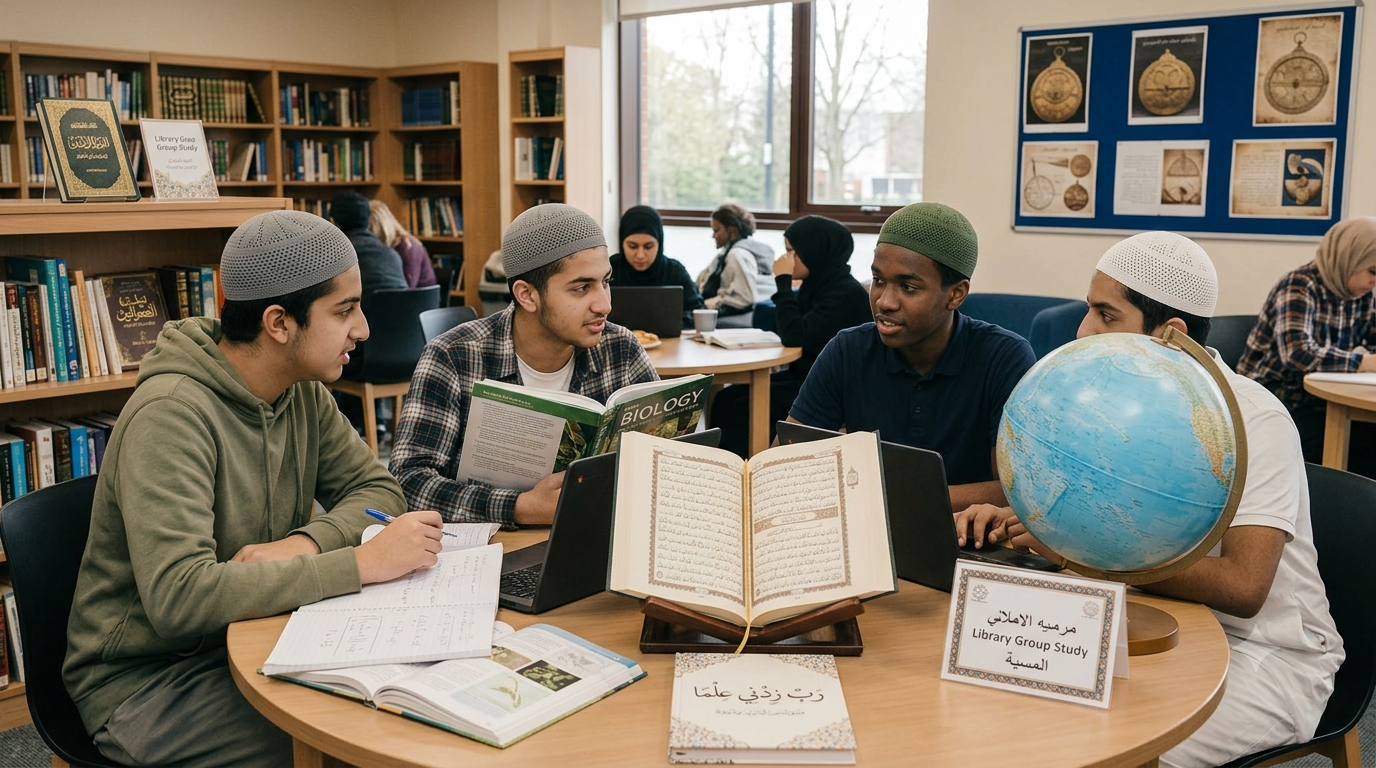
Historical precedent supports integrated approach. Classical Islamic curriculum included “;transmitted sciences”; (Quran, hadith, fiqh) alongside “;rational sciences”; (logic, mathematics, medicine, philosophy, astronomy). Scholars didn’t categorize learning as “;religious”; versus “;secular”;—all knowledge ultimately derived from Allah and served human flourishing. Ibn Sina wrote medical texts and philosophical treatises alongside Quranic exegesis; al-Khwarizmi developed algebra while contributing to geography. This holistic vision avoided modern dichotomy.
Islamic schools offer concentrated religious environment with embedded values. Benefits include: Quran memorization with tajweed, Arabic language instruction, Islamic studies integration throughout curriculum, Muslim peer environment, and prayer built into schedule. Challenges include: variable academic quality, potential isolation from broader society, limited extracurricular options, and cost considerations. Islamic school effectiveness varies widely depending on specific institution’s implementation.
Public/private secular schools provide academic rigor and social diversity. Students learn navigating pluralistic environments, encounter diverse perspectives, access superior resources (often), and gain credentials recognized broadly. Challenges include: minimal religious content, value conflicts (evolution instruction, sex education, social norms), peer pressure contrary to Islamic ethics, and need for supplementary religious education outside school hours. Parental involvement becomes crucial for maintaining Islamic identity.
Homeschooling offers maximum flexibility and control. Families can design integrated curricula blending religious and secular content, pace learning individually, incorporate Islamic perspectives across subjects, and avoid problematic school environments. Challenges include: significant time/effort requirement, parent expertise limitations, socialization concerns, and credential recognition issues. Homeschooling suits some families better than others.
Supplementary religious education complements secular schooling. Weekend Islamic schools, after-school programs, and online courses fill gaps left by secular education. These can provide Quranic studies, Arabic instruction, Islamic history, and basic fiqh knowledge. Quality varies significantly; finding excellent programs requires research. Supplemental approach works best when families reinforce learning at home consistently.
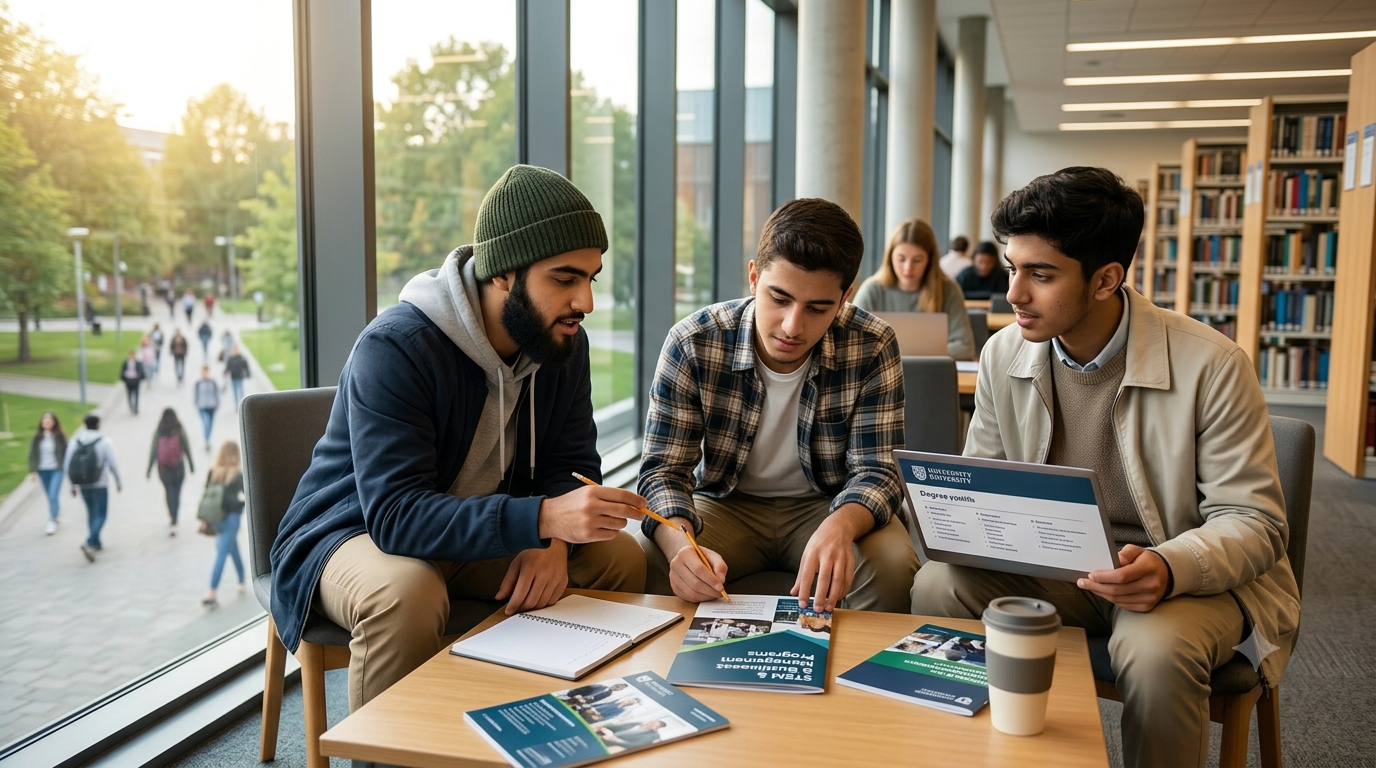
Higher education decisions involve similar balancing. Islamic universities exist (Al-Azhar, International Islamic University Malaysia, others) but may not offer all specializations at competitive levels. Secular universities provide superior technical/professional training but lack Islamic environment. Many students choose secular institutions while maintaining active Muslim student association involvement, taking online Islamic courses, or pursuing part-time Islamic studies alongside main degree.
Integration strategies bridge perceived divide between sacred and secular learning. Viewing all knowledge as ultimately from Allah transforms secular subjects into opportunities for recognizing divine patterns. Science reveals creation’s functioning; mathematics displays cosmic order; literature explores human condition; history
shows rise and fall of civilizations—each connecting to tawhidic worldview when properly framed. This integrative mindset prevents compartmentalization where “;religious self”; and “;academic self”; operate separately.
Practical scheduling tips help balance competing demands. Designating specific times for Quran recitation (perhaps before school), utilizing commute time for audio lectures, using weekends for intensive Islamic study, and selecting extracurriculars with some Islamic connection (Muslim student associations, service projects) creates sustainable rhythm. Balance doesn’t mean equal time allocation but proportional attention to priorities.
Character formation should occur across both educational domains. Secular schools teach honesty in academics, kindness to classmates, perseverance through difficulties—Islamic values reinforced in religious context. Conversely, Islamic education shouldn’t focus only on ritual knowledge while neglecting moral development applicable everywhere. Holistic formation happens when both environments contribute complementary elements.
Parental role proves decisive regardless of educational choice. Parents who discuss school learning through Islamic lens, ask probing questions about new ideas encountered, and model continuous learning themselves shape children’s educational experience profoundly. School provides information; family provides interpretation framework determining how knowledge integrates with identity.
Teacher selection matters greatly. Whether in Islamic or secular settings, teachers who respect Muslim students, accommodate religious needs (prayer breaks, fasting month adjustments), and engage thoughtfully with questions enhance learning experience. Advocating for children’s needs while maintaining respectful relationship with educators models civic engagement and self-advocacy skills.
Ultimately, balance looks different for each family based on circumstances, values, available options, and children’s individual needs. There’s no single correct formula—what matters is intentional decision-making about priorities, consistent implementation of chosen approach, flexibility to adjust when needed, and keeping ultimate goals (developing righteous, capable, contributing Muslims) in view throughout educational journey.