Surah Ar-Rahman stands as one of the most visually and spiritually captivating chapters of the Quran. Its rhythmic refrain, “Fa-bi-ayyi ala’i Rabbikuma tukazziban” (Then which of the favors of your Lord will you deny?), echoes throughout the surah like a gentle but persistent call to awakening. This chapter, revealed in Madinah, invites believers to contemplate the countless blessings that surround them, from the natural world to spiritual gifts, ultimately pointing toward gratitude as the foundation of faith.
The surah opens by establishing Allah’s primary attribute: He taught the Quran, created humanity, and taught it eloquence. Immediately, we are reminded that our ability to communicate, understand, and connect with divine revelation itself is a blessing requiring gratitude. The sun and moon’s precise orbits, the stars and trees in prostration, and the expansive sky—all are presented as signs for those who reflect. Modern readers might find particular resonance in the mention of cosmic balance, as scientific discoveries continue to reveal the remarkable fine-tuning of universal constants that make life possible.
Ar-Rahman then transitions to earthly blessings, describing how the earth was made accessible for humanity. Mountains as pegs, plants and fruits in pairs, and the distinction between day and night—each phenomenon is presented as evidence of divine wisdom and care. The description of ships sailing like mountains upon the sea would have resonated deeply with desert Arabs who viewed the ocean with awe, while today it speaks to our continued dependence on natural systems we often take for granted.
One of the most striking passages addresses resurrection and accountability: “O assembly of jinn and men! If you have power to pass beyond the zones of the heavens and earth, then pass! You cannot pass except with authority.” This verse humbles human pride, reminding us of our limitations despite technological advancement. It suggests that true power belongs solely to Allah, and our attempts to transcend our created nature without His permission are destined for failure.
The surah describes the signs of the Hour—when people will forget their own identities, the sky will split apart, and the seas will overflow. These apocalyptic images serve not merely as warnings but as calls to present-moment awareness. If we truly believe that such events will occur, how should we live today? Ar-Rahman answers implicitly: with gratitude, preparation, and conscious alignment with divine will.
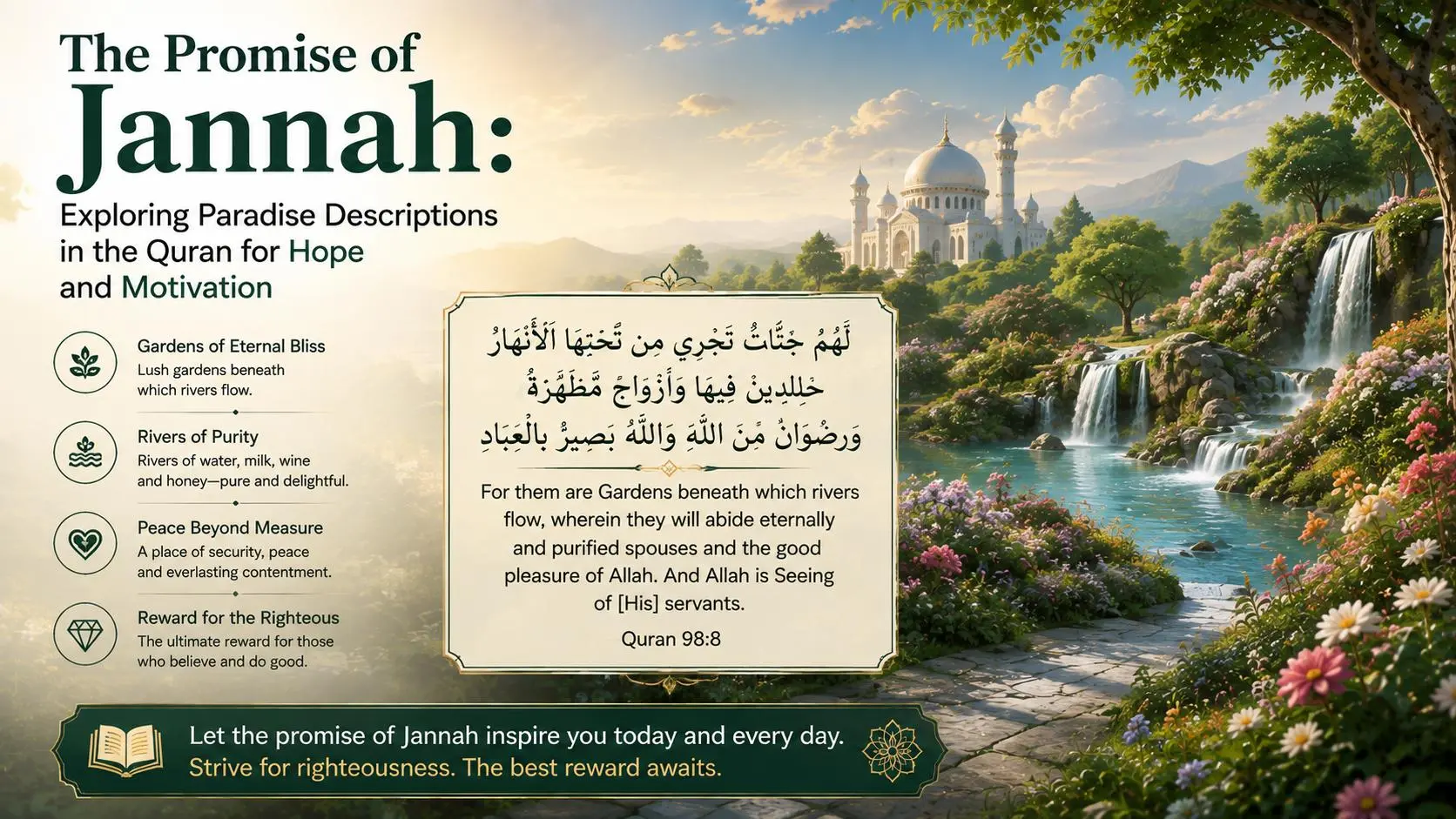
For those seeking paradise, the surah paints vivid pictures: gardens beneath which rivers flow, fruits of all kinds, and purified companions. The description of beauty that neither diminishes nor tires emphasizes the eternal nature of heavenly rewards. Importantly, these descriptions are balanced with warnings about the fate of wrongdoers who face hellfire—a reminder that justice is integral to divine mercy.
The concluding verses return to the central theme: everything perishes except Allah’s Face. He possesses majesty and honor. This theological truth places all worldly blessings in proper perspective—they are temporary manifestations of eternal divine generosity. True peace comes from recognizing this hierarchy of value and anchoring our hearts in what endures.
Contemplating Ar-Rahman regularly cultivates what might be called “spiritual ecology”—an awareness of our embeddedness within networks of blessing we did not create and cannot sustain. This awareness naturally produces humility, gratitude, and responsible stewardship. For Muslims navigating anxiety about the future or dissatisfaction with the present, this surah offers medicine: attention to the blessings already present, trust in the Provider’s continuing care, and hope for the eternal fulfillment promised to the faithful.