Teachers hold esteemed position in Islamic tradition, recognized as inheritors of prophetic role in transmitting knowledge. The Prophet Muhammad himself was the ultimate teacher—demonstrating pedagogical excellence through patience, clarity, adaptability, and genuine care for learners’ development. Understanding the
Islamic view of teaching honors educators while establishing standards for those who take up this noble profession.
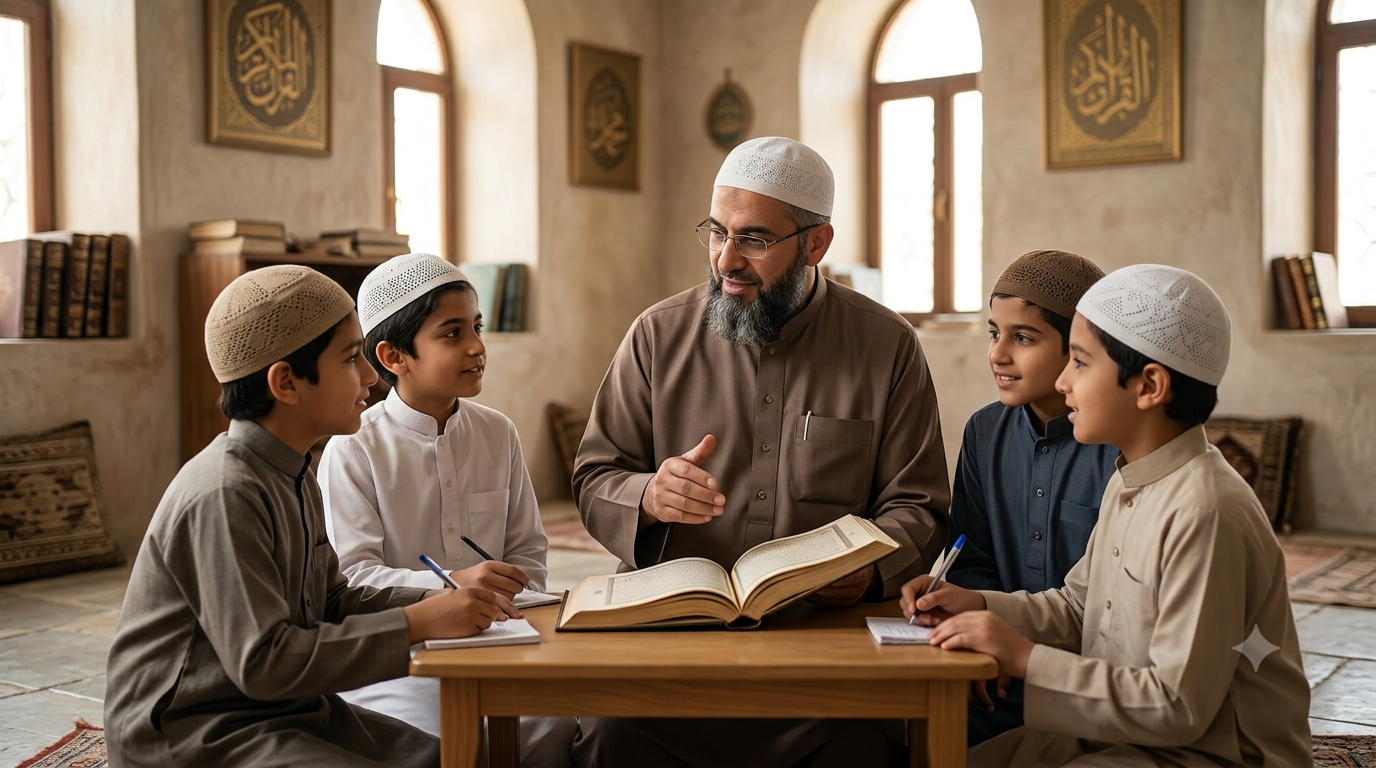
The Prophet’s title “;Al-Ustadh al-Awwal”; (The First Teacher) establishes teaching as divinely mandated function. His methodology included diverse techniques: questioning to stimulate thinking, using parables for complex concepts, visual demonstration, repetition for reinforcement, encouraging questions, adapting explanation to audience level, and showing personal interest in learners. His example remains pedagogical gold standard fourteen centuries later.
Quranic verses elevate knowledge transmission status. “;Allah raises those who believe among you and those who were given knowledge, degrees”; (Mujadalah: 11) links elevated rank to learning and presumably teaching. The famous verse comparing knowledgeable to ignorant (Zumar: 9) implies value in creating knowledgeability—teaching’s primary outcome. Teachers thus participate in divine work of raising human potential.
Hadith literature extensively praises teachers and prescribes student conduct toward them. Respecting teachers, serving them, maintaining good manners in their presence, and benefiting from their company earn reward. The Prophet instructed seeking knowledge even if requiring travel to China—implying teachers may be far and reaching them demands sacrifice. This honor isn’t mere courtesy but recognition of teaching’s importance.
Classical Islamic educational culture reflected teacher reverence. Students would serve their teachers practically (running errands, household help), sit respectfully during lessons, refrain from interrupting, and continue relationship beyond formal study period. Teacher-student bonds often lasted lifetime, with students consulting former teachers on life decisions long after completing coursework. This relational dimension distinguished Islamic pedagogy from impersonal knowledge transfer.
Teachers’ responsibilities match their high status. They must possess genuine knowledge (not just credentials), demonstrate ethical character matching their teachings, adapt methods to individual learner needs, maintain patience with struggling students, and continuously develop their own expertise. Teaching without knowledge is blameworthy; teaching without character is dangerous; teaching without adaptation is ineffective. Excellence requires all three dimensions.
Contemporary Muslim teachers face unique challenges. In secular environments, they may feel pressure to minimize religious identity or compromise values. In Islamic institutions, they may deal with unmotivated students sent by parents rather than choosing to learn. Financial compensation often fails to reflect teaching’s importance. Administrative burdens reduce time for actual instruction. Burnout threatens those entering profession with idealism.
Student responsibilities toward teachers deserve emphasis in current context of diminishing respect for authority figures generally. Basic courtesies—punctuality, attention, completed assignments, polite questions, gratitude expression—remain obligatory regardless of educational setting. Criticizing teachers disrespectfully (including on social media) violates Islamic etiquette even when criticism content might be valid. Concerns should be raised through proper channels respectfully.
Parent-teacher partnership optimizes educational outcomes. Parents who support teachers’ authority, communicate proactively about concerns, reinforce learning at home, and express appreciation create positive
cycle improving instruction quality. Adversarial relationships harm children most—they receive mixed messages and learn disrespect for authority. Islamic manners guide constructive collaboration.
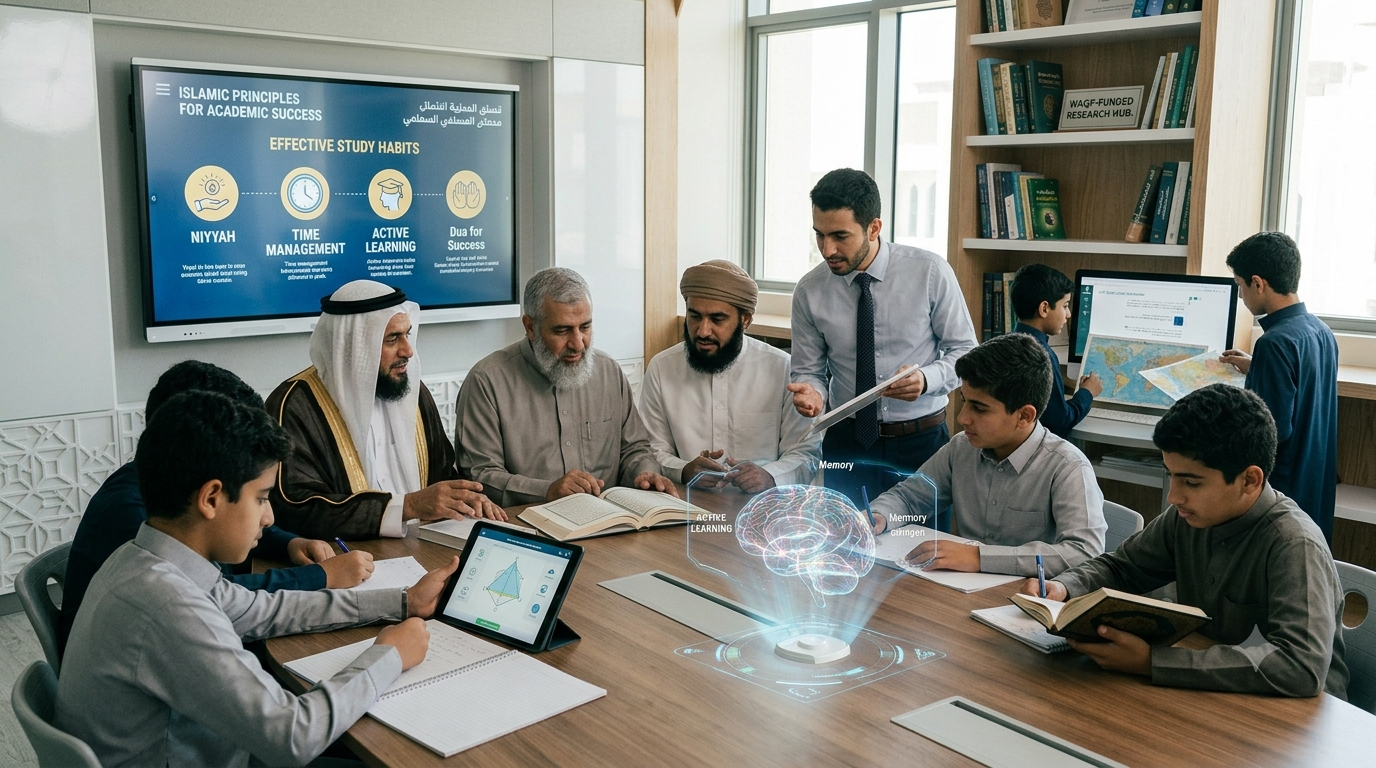
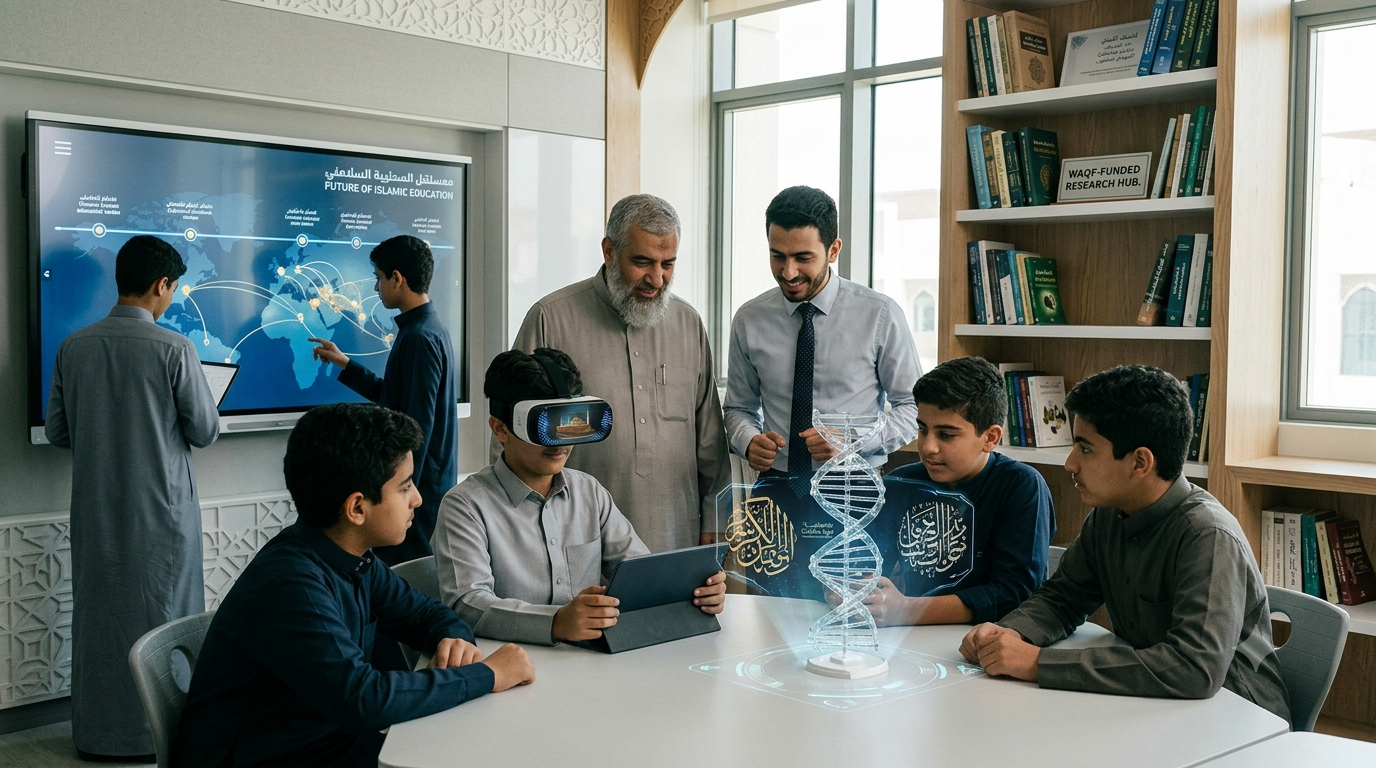
Technology changes teacher role significantly. Information abundance means teachers shift from primary knowledge source to learning facilitator—guiding students through evaluating sources, synthesizing information, and applying knowledge critically. This transition challenges traditional teaching models but potentially enhances learning when implemented well. Teachers must develop new skills for digital age while maintaining relational connection technology cannot replace.
Addressing teacher shortages in Muslim communities requires systemic response. Encouraging talented young Muslims to consider teaching careers, improving compensation and working conditions, providing professional development, and honoring teachers publicly all contribute to attracting and retaining quality educators. Community investment in teaching infrastructure yields returns across generations.
Lifelong learning applies to teachers especially. Professional development, continuing education, and staying current with field developments model the learning orientation teachers want to instill in students. Stagnant teachers cannot inspire growing students. The best teachers remain enthusiastic learners themselves.
The ultimate aim of Islamic teaching extends beyond information transfer to character formation. Teachers shape souls, not just minds. This sacred responsibility demands highest integrity, deepest sincerity, and constant awareness that accounting before Allah includes how one taught and what effects one’s teaching produced. May Allah bless those who take up this vital work.